

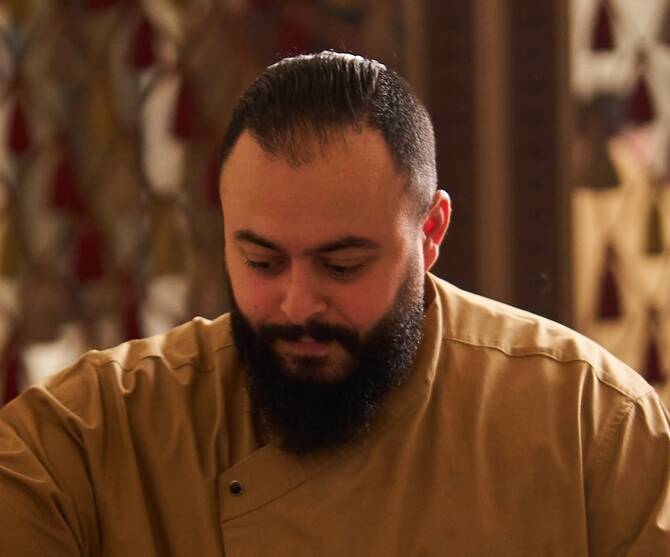

DIRIYAH: For Chef Saleh Aljabali, his culinary passion was fired as early as kindergarten. “The earliest memory would be when I was three, four years,” he tells Arab News. “At the kindergarten, we were taught to make French toast. And I got excited about it. That was the spark.”
From experimenting at home with family and friends to pursuing the craft alongside his engineering studies, he soon realized cooking was his calling. “This is my passion and this is what I prefer to do,” he says.
Today, that passion has found its home at Najdi Signature Restaurant in Bab Samhan Hotel, a Luxury Collection Property in Diriyah. “It’s the first Najdi cuisine restaurant in a five-star hotel in the region, if not in the world,” Saleh explains. “The idea is to serve authentic Najdi dishes, presented with a modern twist.”
When you started out, what was the most common mistake you made?
Not trusting the ingredients enough. I would over-season and overcomplicate, or try to impress with too many techniques in one dish. But I learned that restraint is a skill in itself, and sometimes the best thing you can do is to let the ingredients speak for themselves. Another mistake was rushing the process — especially with traditional dishes that require time and patience. Najdi cuisine, for example, is all about slow cooking. You cannot rush it and expect authenticity.
What’s your top tip for amateur chefs?
Taste as you go. It sounds simple, but it’s the most important habit — adjusting seasoning, acidity and texture throughout the process makes a huge difference. On a practical level, invest in a good knife and keep it sharp. It makes prep faster, safer and more enjoyable.
What one ingredient can instantly improve any dish and why?
I’d choose lemon. A splash of acidity can brighten flavors, balance richness, and add complexity. It’s a game changer, for sure.
When you go out to eat, do you find yourself critiquing the food? Or are you able to switch off?
I can’t really escape my invisible chef’s hat. Not necessarily for critiquing, just out of interest for what the presentation, taste and service is like. It’s automatic.
What’s the most common issue you find in other restaurants?
Inconsistent seasoning — either too bland or unevenly distributed. It’s a small thing, but it affects the entire experience.
What’s your favorite cuisine to eat?
I’m always drawn to street food, because of the simplicity of it. Especially when I’m traveling. There’s something incredibly touching about the food and the people and how they interpret themselves through the food. Everybody is intentional about the balance and the flavor. It’s inspiring.
What’s your go-to dish if you have to cook something quickly at home?
A grilled chicken sandwich with fresh rustic bread. Season the chicken with salt and pepper, garlic, a touch of cumin, a squeeze of lemon juice… that’s it. I recommend avocado with it too. And crisp lettuce, tomato, and chili mayo.
What customer behavior most frustrates you?
When guests ask for major changes to a dish without understanding the idea behind it. Like, removing key ingredients that actually define the dish and its purpose.
What’s the most difficult dish for you to get right?
Gursan, a traditional Najdi dish made of a thin wheat bread soaked in rich vegetable and meat stock — sometimes tomato sauce as well — is tricky. The difficulty lies in getting the texture right, because the bread must absorb the broth and the flavors without becoming too soggy. It’s a delicate balance which depends on timing, temperature and the consistency of the sauce. Because it’s such a beloved dish with deep cultural roots, there’s a lots of pressure in getting it right and honoring its authenticity while presenting it in a refined way. It’s a dish that demands respect, patience and precision.
As a head chef, what are you like? Are you a disciplinarian, or are you more laid back?
Sometimes I’m actually too friendly. That’s not always a good thing, but I believe and leading with respect and consistency. A kitchen is a high-pressure environment, for sure, but that doesn’t mean it has to be hostile. I’m not someone who shouts often. I mean, when firmness is needed, then it’s needed, but it’s not a style of leading. I prefer to communicate clearly, set high standards and support my team in reaching them. I always remind my team we’re not just cooking, we’re creating an experience. That requires passion, precision and, most definitely, teamwork.
Chef Saleh’s pigeon-stuffed matazeez with seasonal vegetables

INGREDIENTS:
3 tomatoes; 2 carrots; 1 pumpkin; 2 zucchini; 3 onions; afilla cress, 1 bunch; 1 whole pigeon; 50g truffle; 500g whole wheat flour; 100g ghee; 1tbsp bizar seasoning; 3 bay leaves; 5 pieces of cardamom; 5 black pepper corns; 1tbsp lomi powder; tap water (as needed)
INSTRUCTIONS:
1. In a pot Sautee 1 pc. of onion with whole pigeon, cardamom and bay leaves.
2. Add a cup of water and let it simmer for 1 hour
3. In a mixing bowl add the flour, salt, water and mix the dough.
4. Rest it for half an hour, then sheet it and cut it with 2-inch ring cutter and keep it covered in the chiller.
5. Strain the pigeon, keep the sock on the side and pull the meat of the pigeon.
6. Cut carrots, pumpkin, zucchini, local truffle, the rest of the onions, and the tomato.
7. Sautee onion, tomato then add bizar spices, strained stock and let it cook.
8. In a small pan add the ghee and chopped onion and cook it slowly then add Bizar spices and Lomi powder for the kishna.
9. Fill the pigeon meat inside the dough and shape it as per the picture.
10. Boil matazeez in the stock along with the vegetables.
11. Arrange it in the plate as round shape 5 pcs of matazeez then add the vegetables and kishna in between.
12. Reduce and strain the stock and add in a sauce bowl.
13. Garnish the plate with some Affilla cress.


