RIYADH: A Saudi delegation visiting Damascus on Wednesday announced investment and partnership deals valued at $5 billion to help rebuild war-battered Syria.
The delegation of some 150 investors and representatives of the Saudi public and private sectors, led by Investment Minister Khalid Al-Falih, attended a forum in Damascus.
“The announced investments, valued at SR19 billion (about $5 billion), span vital and strategic sectors, including real estate, infrastructure, communications and IT, transportation and logistics, industry, tourism, energy, trade” and more, AFP reported citing a statement from the Investment Ministry.
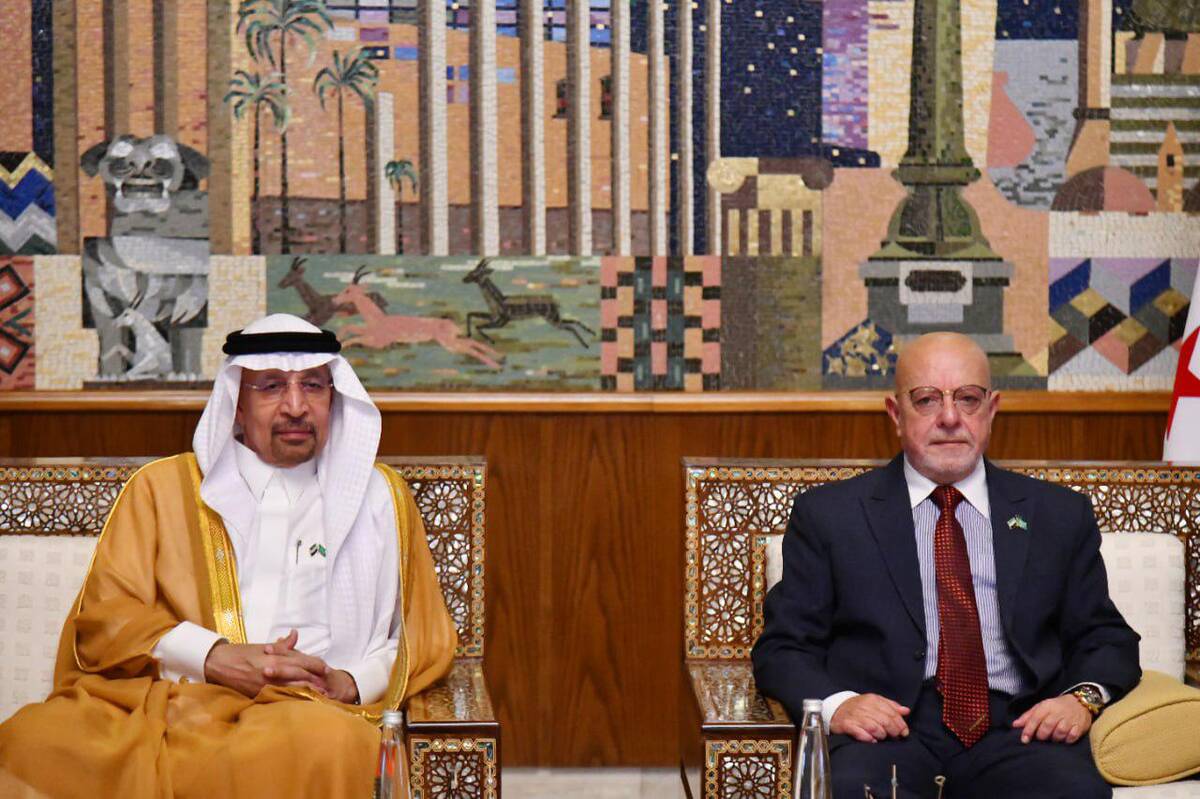
On Tuesday, the ministry had said the Damascus forum aimed to “explore cooperation opportunities and sign agreements that enhance sustainable development and serve the interests of the two brotherly peoples”.
The Saudi delegation’s visit underscores the Kingdom’s growing support for Syria’s economic recovery and reconstruction efforts.
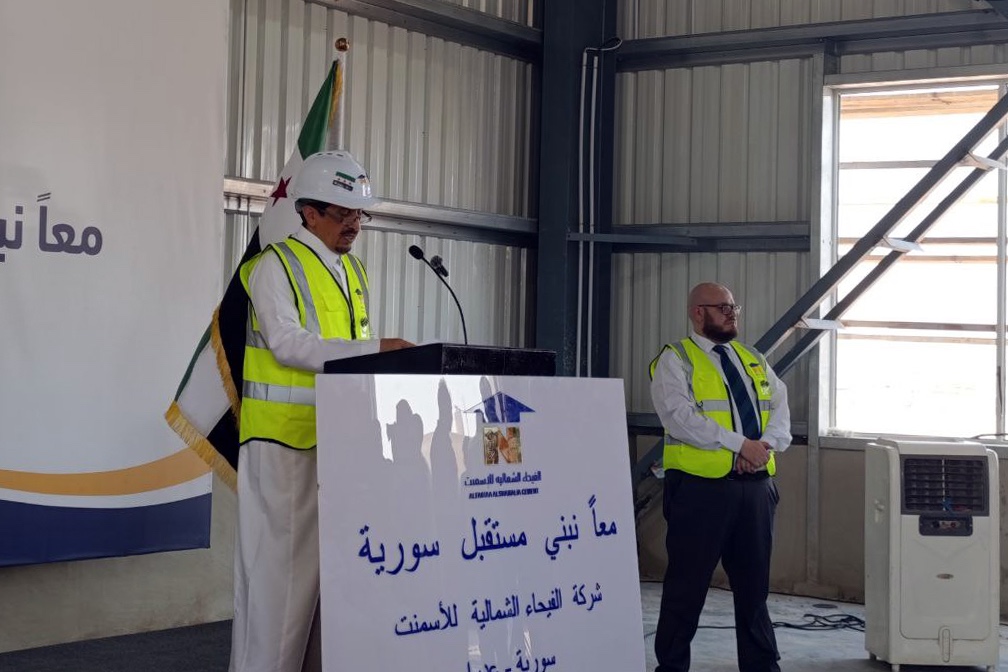
As part of the visit, Al-Falih and Syrian Economy Minister Mohammed Nidal Al-Shaar inaugurated the Fayhaa White Cement Factory in Adra Industrial City, the first of its kind in Syria.
Cementing relations
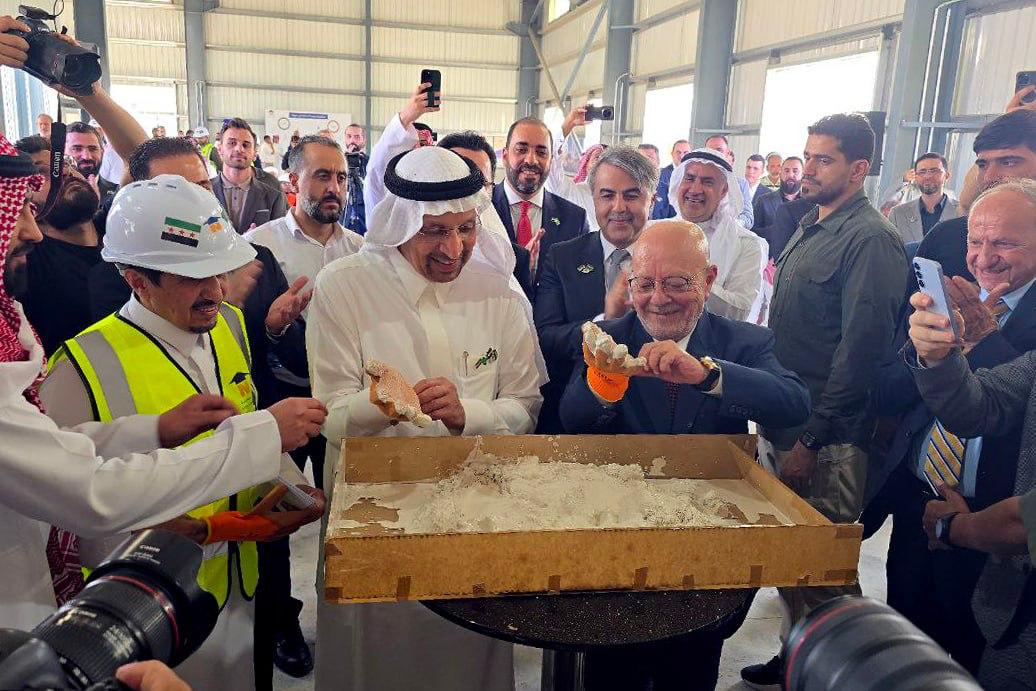
Backed by a $20 million investment from Saudi Arabia’s Northern Region Cement Co., the plant is set to produce high-grade white cement while creating 130 direct jobs and more than 1,000 indirect employment opportunities.
“The launch of this project reflects our commitment to Syria’s reconstruction and to opening new avenues for regional investment,” said Obaid Al-Sobiei, CEO of Northern Region Cement.
The Kingdom will also fund the construction of Al-Jawhara Tower, a 32-storey skyscraper in the center of the Syrian capital, Damascus.
Spanning 25,000 sq. meters with an estimated cost exceeding $100 million, the project marks one of the most significant Saudi investments in Syria.
In April, Saudi Arabia and Qatar announced a joint initiative to settle Syria’s $15 million debt to the World Bank as part of broader efforts to support the financial recovery of the war-torn nation.
Last month, Al-Falih conducted a virtual meeting with Syrian Economy Minister Mohammad Al-Shaar, and discussed opportunities for collaboration in both public and private sectors.
The Syrian government this month also amended the country’s investment law, in a move that is expected to support more domestic and foreign investment.
During a visit by a Saudi delegation last week, Al-Shaar said that the new law provides an attractive legal environment that promotes the entry of capital, SANA reported.
The law will support the investment process and enhance the role of the private sector in reconstruction and economic development, the minister added.
Surge in Saudi-Syrian trade figures signals renewed ties
According to official data from Saudi Arabia’s General Authority for Statistics, Syria was the Kingdom’s 53rd largest export destination in April, with non-oil exports rising by 153.3 percent year on year to reach SR81.9 million.
These exports are composed primarily of plastics and rubber products, making up 33 percent, 26 percent plant products, and 14 percent prepared foodstuffs, beverages, and tobacco.
The remaining exports comprise a variety of chemical products, articles made from stone, cement, ceramics, and glass, reflecting the expanding diversity of trade flows.
On the import side, Syria ranked 60th among countries supplying goods to Saudi Arabia, with imports totaling SR78.5 million in April, representing a sharp 149.7 percent year-over-year increase.
The bulk of these shipments consists of animal and plant products, edible oils and fats, and processed food and beverages, indicating Syria’s agricultural and agri-food sector’s growing relevance to the Saudi market.
This recent growth in trade volumes follows the rapid evolution of political dynamics between Riyadh and Damascus. In May 2024, the Kingdom formally reopened its embassy in Syria after a 12-year rupture following the outbreak of the Syrian conflict in 2011.
Saudi Arabia does not export oil to the country primarily because of the comprehensive sanctions regime imposed on the Syrian government following the outbreak of the civil war in 2011.
While Syria once produced and exported substantial quantities of oil, the war and sanctions effectively eliminated its export capacity after late 2011.
Today, production remains constrained, and Syria relies heavily on imports, particularly from Iran, to meet its domestic demand.
The trade figures reported by GASTAT, while still modest in comparison to the Kingdom’s broader trade profile, are significant in light of where bilateral relations stood just two years ago.
The tripling of trade volumes year on year, both in exports to and imports from Syria, illustrates how quickly economic engagement can rebound when backed by political will.
Before the Syrian conflict erupted in 2011, the country enjoyed strong business ties with Saudi Arabia, with bilateral trade peaking at approximately $1.3 billion in 2010, marking the Kingdom as one of Syria’s most significant trading partners before the war began, according to a 2023 article by the Christian Science Monitor.
World Bank data from the World Integrated Trade Solution confirms that Syria exported goods worth $543 million to Saudi Arabia in 2010, underscoring the depth of their commercial ties at that time.
Saudi exports to Syria primarily included oil derivatives, petrochemicals, plant oils, and dates, while Syria exported fruits, vegetables, livestock, textiles, and furniture to the Kingdom.
The two countries were founding members of the Greater Arab Free Trade Area, facilitating reduced tariffs and cross-border trade.
Saudi investors also held over $700 million in joint projects within Syria by the late 1990s. These ties collapsed following the war, sanctions, and diplomatic breaks. With recent normalization and high-level visits, both nations are now reviving their economic relationship on the foundation of this previously robust partnership.