

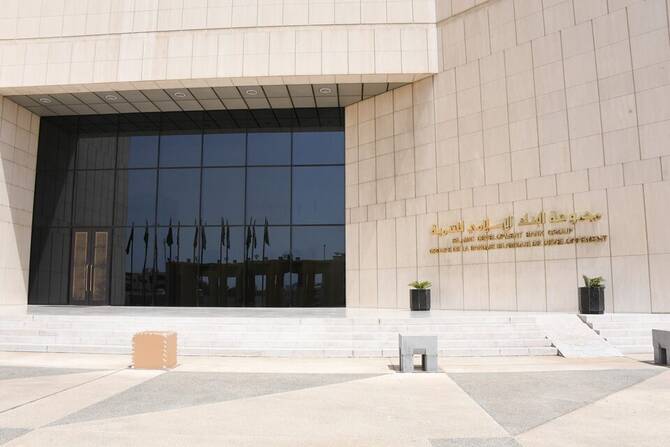

JEDDAH: Job creation, better healthcare, and greener transportation are set to advance in several member countries as the Islamic Development Bank approved $277 million in financing.
In its 361st meeting, chaired by President Mohammed bin Sulaiman Al-Jasser, the IsDB approved financing for projects in Mauritania, Cote d’Ivoire, and The Gambia, it said in a statement on July 7.
As a leading multilateral development institution in the Islamic world, the IsDB focuses on fostering inclusive economic growth, strengthening human capital, and enhancing infrastructure across its 57 member countries. Through long-term partnerships and targeted investments in key sectors, the bank supports sustainable development and improves the quality of life throughout the Islamic nation.
The Jeddah-headquartered global funding organization added that this round of development financing highlights its firm commitment to transformative projects that generate tangible impact and advance the UN Sustainable Development Goals.
“The approved financing package spans vital sectors, namely health care, education, and transportation and is focused on addressing urgent development challenges, from improving urban mobility to strengthening public health systems and building human capital,” the statement said.
In Mauritania, the IsDB allocated €26.18 million ($30.7 million) to expand the National Cardiology Center in Nouakchott. The initiative aims to enhance the country’s capacity to prevent and treat cardiovascular diseases, a leading cause of premature death, and improve access to specialized, life-saving care for thousands of people, the statement added.
In Cote d’Ivoire, a €200 million financing package will support the Abidjan Sustainable and Integrated Urban Mobility Project, a major initiative to upgrade the city’s public transportation system.
The undertaking seeks to enhance access to financial and social opportunities while boosting the efficiency of transit along the Yopougon-Bingerville corridor and its feeder lines in Abidjan, the country’s economic capital and largest city.
It also aims to reduce congestion, encourage greener transportation, and facilitate easier travel for residents — especially those in underserved areas — to jobs, schools, and essential services.
In The Gambia, meanwhile, the bank is investing $32.20 million to help establish the School of Medicine and Allied Health Sciences at the University of The Gambia.
“This initiative will help address the country’s critical shortage of health care professionals by building a pipeline of locally trained doctors, nurses, and public health experts, ultimately improving the quality and resilience of the national health system,” the statement said.
In May, the IsDB approved over $1.32 billion in funding for key projects during its 360th board meeting. The funding included a $632 million flood protection dams project in Oman aimed at reducing climate-related risks, a €212 million road rehabilitation initiative in Cameroon to enhance regional connectivity, and major infrastructure improvements in Burkina Faso.
Spanning sectors such as health, infrastructure, food security, vocational training and water access, the investments also reflected the bank’s comprehensive approach to promoting sustainable development in its member states.


