

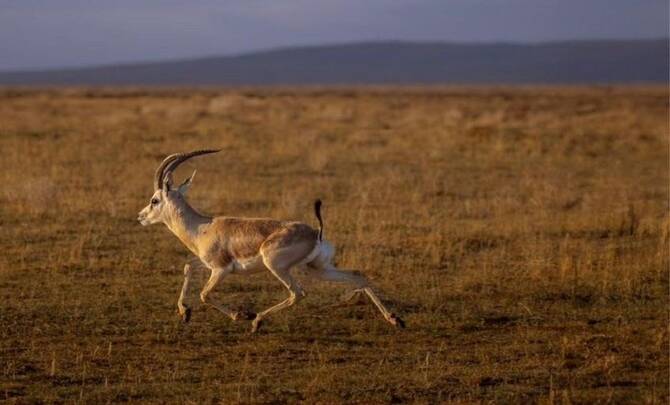
Gazelle is desert’s skittish, elusive icon and poets’ enduring muse 

1 / 6
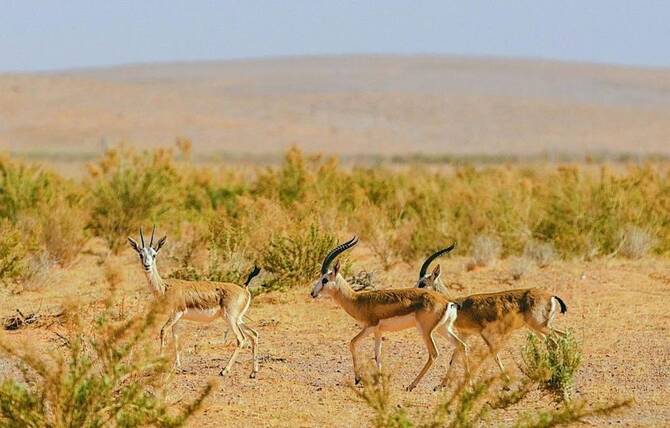
The National Center for Wildlife and the Royal Reserves Council have launched initiatives to reintroduce gazelles into their natural habitats. (SPA)
2 / 6
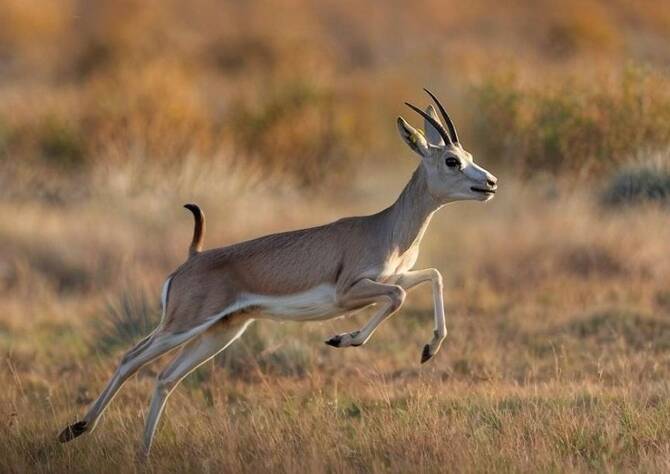
The National Center for Wildlife and the Royal Reserves Council have launched initiatives to reintroduce gazelles into their natural habitats. (SPA)
3 / 6
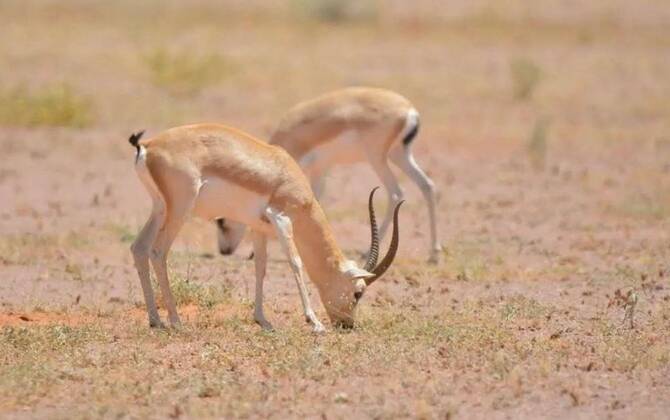
The National Center for Wildlife and the Royal Reserves Council have launched initiatives to reintroduce gazelles into their natural habitats. (SPA)
4 / 6
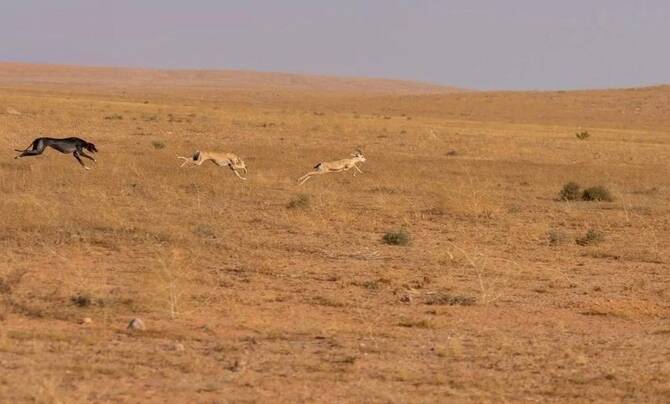
The National Center for Wildlife and the Royal Reserves Council have launched initiatives to reintroduce gazelles into their natural habitats. (SPA)
5 / 6
The National Center for Wildlife and the Royal Reserves Council have launched initiatives to reintroduce gazelles into their natural habitats. (SPA)
6 / 6
The National Center for Wildlife and the Royal Reserves Council have launched initiatives to reintroduce gazelles into their natural habitats. (SPA)
Short Url
Updated 25 June 2025
Follow

Gazelle is desert’s skittish, elusive icon and poets’ enduring muse 

  • Arabian gazelle is revered in Bedouin culture and poetry
  • Protection of gazelles falls under environmental strategy 

RIYADH: The skittish gazelle, revered in Bedouin culture, is a defining symbol of wildlife in the Arabian Peninsula. 

The Arabian gazelle is known for its agility, alertness and extreme caution, according to a recent Saudi Press Agency report.

Gazelles are swift, reaching speeds of up to 100 kph in short bursts. 

Beyond its physical traits, the gazelle has become a cultural symbol of beauty and elusive elegance in Arab tradition, the SPA added. 

Poets have long compared their beloveds to the gazelle, immortalizing its qualities in verses from the pre-Islamic era to the present.

In popular heritage, the skittish gazelle represents “the hunter’s pursuit,” highlighting the skill required to track it in sandy terrain, the SPA report stated. 

As a part of Saudi Arabia’s biodiversity preservation efforts, the National Center for Wildlife and the Royal Reserves Council have launched initiatives to reintroduce gazelles into their natural habitats, to address their population decline.

These efforts fall within a broader national strategy to restore ecological balance and ensure the sustainability of wildlife, alongside awareness programs that promote the preservation of this vital natural heritage. 

Earlier this month, NEOM reintroduced more than 1,100 animals, representing six species, to its expansive nature reserve, marking a major step in its broader mission to revive the region’s natural balance. 

As NEOM’s regreening program progresses — with 4.7 million trees, shrubs and grasses planted so far — the 530 Arabian Sand Gazelles currently in the reserve are thriving on the returning natural vegetation, aided by the removal of heavy livestock grazing. 

NEOM is also home to 223 Arabian gazelles, which are typically darker in color and more elusive, preferring to reside in foothills and rugged mountain terrain.


Foreign ministers chair Saudi-Omani coordination council meeting in Muscat

Updated 57 min 38 sec ago
Follow

Foreign ministers chair Saudi-Omani coordination council meeting in Muscat

MUSCAT: Saudi Foreign Minister Prince Faisal bin Farhan met with Oman’s Foreign Minister Sayyid Badr bin Hamad Al-Busaidi on Monday.

They reviewed bilateral relations between their nations and ways to enhance and develop them across various fields. Additionally, they discussed regional and international developments.

The ministers co-chaired the third meeting of the Saudi-Omani Coordination Council in the Omani capital, Muscat, with the participation of the heads of the Council’s subsidiary committees and the two heads of the Council’s General Secretariat teams.

The meeting comes as an affirmation of the keenness of Saudi and Omani leaders to strengthen ties and advance them toward greater prosperity for both nations.

In his remarks during the meeting, Prince Faisal affirmed that gathering builds on the previous council meeting, held last year in AlUla, and on its positive and fruitful outcomes within the framework of the approved recommendations and initiatives. 

He stressed the importance of continuing the work of the council’s subsidiary committees to complete the necessary procedures to implement the remaining initiatives, and of the General Secretariat’s role in follow-up and in addressing any challenges that may hinder implementation.

He also underscored the importance of developing and enhancing trade relations, stimulating investment, and strengthening cooperation between the public and private sectors.

He also praised the ongoing work to establish and launch the Coordination Council’s electronic platform, which aims to connect all committee work and initiatives to facilitate follow-up on the Council’s progress. 

Al-Busaidi affirmed in his remarks the qualitative progress in relations between the two countries and the notable development witnessed across numerous sectors toward achieving economic integration and enhancing intra-trade and joint investments. 

The Omani foreign minister also highlighted deeper cooperation in the security and judicial fields, as well as the cultural and tourism sectors, noting the advanced and continuous political cooperation, consultation, and coordination on regional and international issues.