

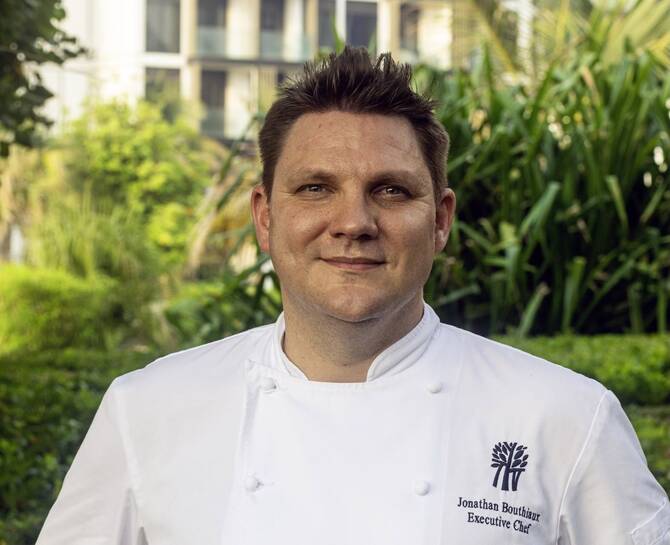

DUBAI: From Michelin-starred kitchens in France to luxury resorts across the globe, Chef Jonathan Bouthiaux has built a career defined by precision, creativity and a passion for sharing culinary stories.
His journey began in Saint-Malo, Brittany, and took an unexpected turn through charity work in Africa, where cooking became more than a skill — it became a calling. Now, as the executive chef at Banyan Tree Dubai, Bouthiaux oversees the kitchens and menus across the resort.
Here, the chef talks about learning to keep dishes simple, trusting good ingredients, and how he leads his team to create memorable dining experiences.

When you started out, what was the most common mistake you made?
Like many young chefs, I used to overcomplicate things, too many elements on a plate, trying to impress instead of letting the ingredients speak. Over time, I learned that clarity, restraint and seasonality make a stronger impact than complexity for complexity’s sake.
What’s your top tip for amateur chefs?
Master the basics. Learn how to season correctly and respect your ingredients. Do not stress. Cooking should bring joy. If you forget an ingredient, improvise. Some of the best dishes are born from happy accidents.
What ingredient can instantly improve any dish?
Acidity, like a touch of fresh lemon juice or a splash of good vinegar, can instantly elevate a dish by bringing balance, brightness and depth. It sharpens flavors and adds complexity. Another game-changer? Infused herb oils; a simple drizzle of basil or rosemary oil can completely transform a dressing or a finished plate, adding aromatic intensity and a refined, layered finish.
When you go out to eat, do you find yourself critiquing the food?
I naturally notice the details — it comes with the territory — but I always try to appreciate the overall experience.
What’s the most common issue that you find in other restaurants?
It’s not always to do with technique. Often, it’s about intent. You can sense when a dish has been prepared out of habit rather than with care. In a city like Dubai, ingredient quality and value also stand out. Today’s guests are discerning. They expect transparency and authenticity. Honest flavors and thoughtful sourcing always make a difference.
When you go out to eat, what’s your favorite cuisine?
I enjoy discovering all types of cuisine, especially when it’s something new or unexpected. That said, I am particularly drawn to Japanese and Italian food. Both are rooted in simplicity, precision and a deep respect for ingredients — values that strongly resonate with me. I also have a solid background in these cuisines, so I find myself naturally appreciating the balance, technique and cultural expression they bring to the table.
What’s your go-to dish if you have to cook something quickly at home?
A miso-glazed salmon with a side of steamed greens and sesame brown rice. It’s light, nutrient-rich and packed with umami. Plus, it comes together fast without sacrificing flavor or elegance. I always look for that sweet spot between health, simplicity, and satisfaction — something that feels good to eat and is good for you.
What customer request most frustrates you?
I’m open to adjustments where possible, but I find that excessive alterations to a dish can sometimes disrupt the flow of the dining experience. Dining should be about trusting the chef’s vision and embracing the flavors as they’re crafted. That said, our priority is always ensuring our guests feel satisfied and valued.
What’s your favorite dish to cook and why?
One of my favorites is Homard à l'Armoricaine (Lobster Armoricaine). This classic French recipe is special to me, as I’m originally from Saint-Malo, Brittany, where I first learned it at the Michelin-starred restaurant La Duchesse Anne. The dish is a true test of technique, requiring multiple steps — from preparing the lobster to creating a rich, flavorful sauce. It is a celebration of fresh lobster and bold flavors, and I enjoy the process as much as the final result. This dish always brings me back to my roots in Brittany and reminds me why I’m so passionate about cuisine.
What’s the most difficult dish for you to get right?
One dish that requires a high level of technique and precision is the pithiviers—a beautifully intricate puff pastry pie, often filled with game or foie gras, and fresh black truffle. It showcases the kind of refined execution I truly enjoy. The balance of flavors, the evenness of the puff pastry, and the perfect seal all need to come together seamlessly. It’s not just a dish, it’s a statement of culinary skill and elegance.
As a head chef, what are you like? Are you a disciplinarian? Or are you more laidback?
I oversee multiple restaurants, so it’s about building a culture. I believe in structure, consistency and leading by example. Discipline is essential, but not through fear — through clarity, respect and accountability. I focus on empowering my team, mentoring young chefs, and fostering an environment where excellence is the standard, not the exception. Consistency is key — without it, even the most creative ideas lose their value. At the end of the day, we are here to deliver memorable experiences, and that begins with a motivated, aligned team.
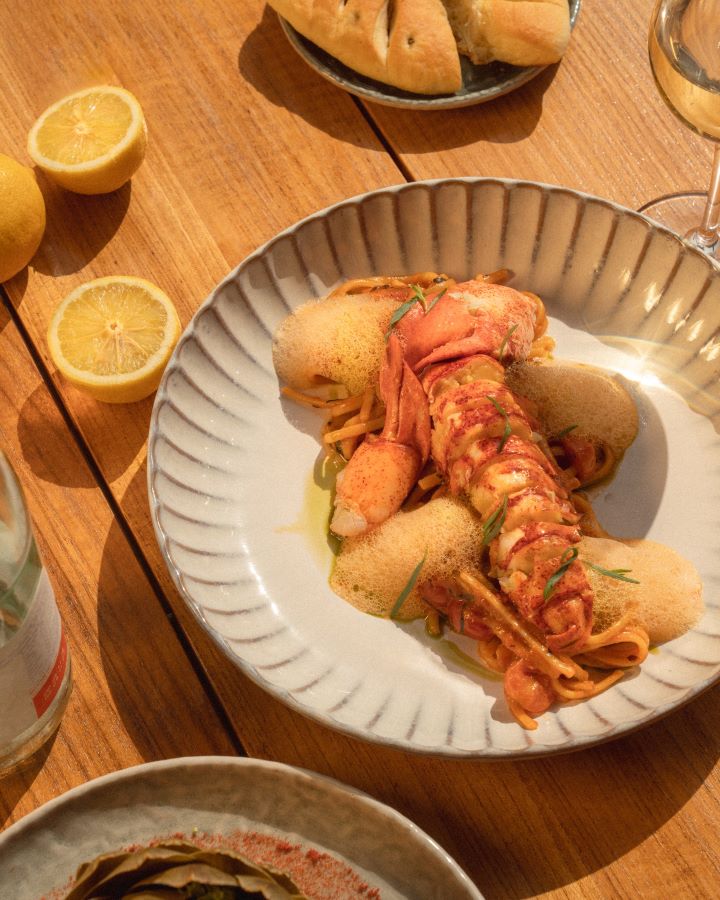
RECIPE: Chef Jonathan’s lobster linguini
For the Lobster Bisque:
Ingredients:
1 kg lobster shells (from raw or cooked lobster)
80 g white onion (1 small), chopped
40 g carrot (½ medium), chopped
60 g celery (1 large stalk), chopped
15 g garlic (3 cloves), crushed
50 g tomato paste (3 tbsp)
2.8 L water
2 tbsp olive oil
Salt and pepper to taste
For the pasta:
500 g linguine pasta
2 whole lobster (about 500–600 g)
2 tbsp olive oil
1 clove garlic, minced
320 g tomato sauce
160 ml lobster bisque (from above)
40 g confit or roasted cherry tomatoes
8 g fresh tarragon, chopped (plus a few leaves for garnish)
Step-by-step instructions
Make the lobster bisque (can be made ahead)
Preheat the oven to 200°C (390°F).
Place lobster shells on a baking tray and roast for 20 minutes.
In a large pot, heat olive oil, then sauté the onion, carrot, celery, and garlic for 6–8 minutes.
Add the roasted shells and tomato paste. Stir and cook for 5 minutes.
Add 2.8 L water, bring to a boil, then lower heat, cover, and simmer for 1 hour 30 minutes.
Blend the mixture using a hand blender or standard blender.
Strain through a fine sieve. Season with salt and pepper. Set aside.
Cook the lobster:
Bring a large pot of salted water to a boil. Add the lobster and poach for 5–6 minutes.
Remove, cool slightly, then crack and remove the meat. Slice into bite-sized pieces.
Heat a small pan with a knob of butter and quickly flash the lobster meat to finish.
Cook the pasta:
Boil linguine in salted water until just al dente (around 8–9 minutes).
Drain and set aside, reserving a bit of pasta water.
Assemble the dish:
In a large pan, heat 2 tbsp olive oil and sauté minced garlic until fragrant.
Add the tomato sauce and lobster bisque. Simmer for 2–3 minutes.
Add cooked pasta and toss well to coat. If needed, add a splash of pasta water.
Add chopped tarragon, cherry tomatoes, and the lobster meat. Mix gently for 1–2 minutes.
Adjust seasoning with salt and pepper.
To serve:
Plate the pasta in a warm bowl or shallow plate.
Top with lobster pieces, cherry tomatoes, and a spoon of sauce.
Garnish with fresh tarragon leaves, lobster foam (optional), and a drizzle of basil oil (optional).


