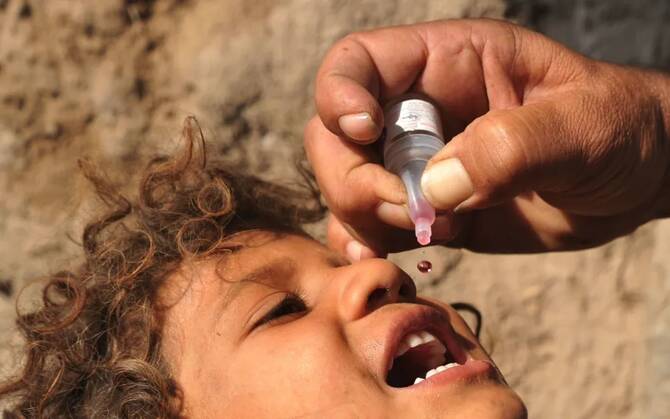
SYDNEY: A polio outbreak has been declared in Papua New Guinea, sparking concern about the disease's spread in a country with low vaccination rates, health officials said.
Poliovirus, most often spread through sewage and contaminated water, is highly infectious and potentially fatal.
It can cause deformities and paralysis and mainly affects children under five years old.
The virus was detected in wastewater and environmental samples in the Pacific nation's capital Port Moresby and second largest city Lae, the World Health Organization (WHO) said.
In subsequent testing, two children in Lae were found to have the poliovirus type 2 strain, according to the WHO representative in Papua New Guinea, Sevil Huseynova.
The confirmation of community transmission in the children "constitutes a polio outbreak", Huseynova said in briefing notes provided to AFP on Friday.
The health agency "expresses deep concern over the confirmed outbreak", she said.
Genetic testing showed the polio strain detected in Papua New Guinea was linked to one circulating in Indonesia.
Papua New Guinea was certified as polio-free in 2000, but immunisation rates among children are low -- less than 50 percent, according to the WHO.
"Polio is a highly infectious disease, and in communities with low polio immunisation rates, the virus quickly spreads from one person to another," Huseynova said.
Papua New Guinea Health Minister Elias Kapavore said the situation was "serious but manageable".
"We've dealt with this before and know what works," he told reporters on Thursday.
"Vaccination is safe and effective, and we're acting quickly to keep children protected."


![]()

Polio outbreak declared in Papua New Guinea
Short Url
https://arab.news/zzbnr
Polio outbreak declared in Papua New Guinea


Latest updates


© 2026 SAUDI RESEARCH & PUBLISHING COMPANY, All Rights Reserved And subject to Terms of Use Agreement.