

Saudi fashion event highlights retail trends, youth culture, and digital innovation

1 / 3
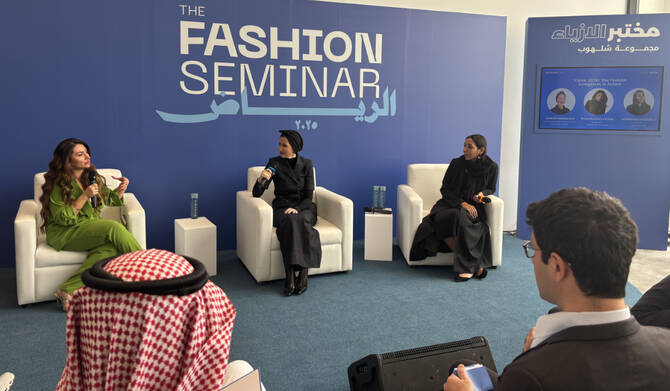
Youth culture, streetwear and sports are shaping brand narratives, a panel heard. (AN photo by Waad Hussain)
2 / 3
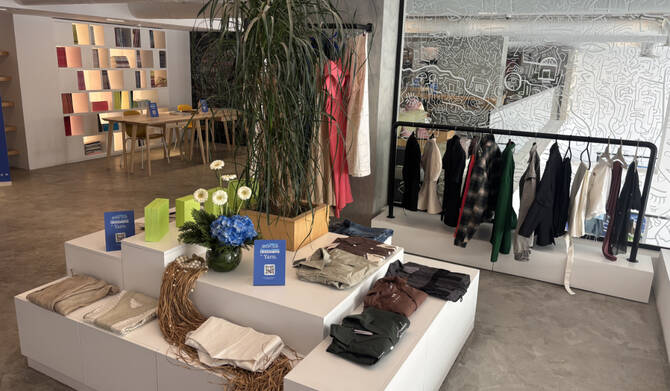
Inside the Yarn retail pop-up at Lakum Art Space, curated fashion pieces, cozy seating areas, and vibrant displays highlight the creativity of emerging Saudi brands. (AN photo by Waad Hussain)
3 / 3
Four of the standout designers from The Fashion Lab’s second cohort, presenting collections rooted in identity, craftsmanship, and Saudi elegance. (AN photo by Waad Hussain)
Short Url
Updated 06 May 2025
Follow

Saudi fashion event highlights retail trends, youth culture, and digital innovation

  • Speakers noted that the increase in entertainment activities such as concerts and dining in the Kingdom in recent years has led to higher demand for fashion products because people are looking for ways to express themselves

RIYADH: A Riyadh fashion seminar on Sunday brought together industry leaders and creatives to explore the future of Saudi Arabia’s fashion economy.

Hosted by Chalhoub Group at Lakum Art Space, the event featured keynote presentations, panel discussions, and displays by 10 emerging Saudi designers from The Fashion Lab Cohort 2.


Rafi Dikranian and Mohammed Bajbaa speak on “From Drops to Drives: Connecting with Communities,” exploring how culture, streetwear, and grassroots branding are reshaping consumer engagement. (AN photo by Waad Hussain)

The agenda focused on three main themes: the evolution of fashion retail in the Kingdom; the role of cultural identity in building brands; and the rising importance of digital fashion and collaboration.

“Our role is to accelerate the journey from creativity to commercial viability by equipping designers with the tools, mentorship and infrastructure needed to build scalable brands,” Chalhoub CEO, Michael Chalhoub told Arab News.

“By creating initiatives like the Fashion Lab, the Ibtikar program, and accelerator partnerships, we provide a framework that supports emerging talent at every step.”

An awards ceremony honored the standout talents of this year’s cohort: APOA, Awaken, Bucketbox, Mona Al-Shebil, Noble & Fresh, Nora Al-Shaikh, Rebirth, Samar Nasraldin, The Untitled Project and USCITA.

One discussion explored consumer behavior in Saudi Arabia, revealing that the local market continues to grow despite global slowdowns.


Saudi brands that blend cultural heritage with bold innovation, as featured in the latest Fashion Lab showcase. (AN photo by Waad Hussain)

Speakers noted that the increase in entertainment activities such as concerts and dining in the Kingdom in recent years has led to higher demand for fashion products because people are looking for ways to express themselves.

Retail experiences — both physical and digital — were emphasized as key to engaging Saudi consumers.


Michael Chalhoub, CEO of Chalhoub Group, delivers the opening keynote at The Fashion Seminar 2025, highlighting the importance of creativity and cross-sector collaboration in shaping the future of Saudi fashion. (AN photo by Waad Hussain)

Youth culture, streetwear and sports are shaping brand narratives, a panel heard. Speakers discussed how fashion is being used as a tool for cultural storytelling, with an emphasis on grassroots creativity and community building.

Another topic highlighted the power of collaboration between local and international brands. Panelists discussed the importance of long-term partnerships, manufacturing localization, and mentorship to bridge gaps in knowledge and infrastructure.

Speakers also addressed the future of digital fashion, including virtual design, retail innovation, and new marketing strategies targeting Gen Z.

Saudi Arabia’s growing role in shaping the regional and global fashion economy was a prominent theme of the discussions.


Pioneering electric bus service takes to the road in Makkah

Updated 19 December 2025
Follow

Pioneering electric bus service takes to the road in Makkah

  • The bus rapid transit project, a system designed to have higher capacity and reliability than conventional bus services, is said to be the first of its kind in the Kingdom
  • The vehicles operate in dedicated bus lanes within a network that includes two main bus stations and 11 stops along the route connecting them

MAKKAH: A pioneering electric bus service took to the road in Makkah this week.

Electromin, the developer and operator of the service in partnership with Umm Al-Qura for Development and Construction, said it is expected to serve more than 125 million passengers over the next 15 years, while cutting carbon dioxide emissions by more than 31,500 tonnes compared with traditional vehicles.

The bus rapid transit project, a system designed to have higher capacity and reliability than conventional bus services, is said to be one of the first of its kind in the Kingdom. It was inaugurated on Wednesday by Amr Al-Dabbagh, chairperson of Al-Dabbagh Group; Samir Nawar, managing director of Petromin; and Yasser Abu Ateeq, CEO of Umm Al-Qura.

The bus rapid transit project is designed to have higher capacity and reliability than conventional bus services. (Supplied)

Electromin, a subsidiary of Petromin specializing in energy and mobility solutions, said the new service, which forms part of the Masar Destination mixed-use real estate development project in Makkah, is one the first transport networks of its kind in the country, and represents a significant shift toward a cleaner, more efficient urban transport model.

It operates in dedicated bus lanes, connecting key hubs within Masar and providing safe, reliable and environmentally friendly transportation for residents and visitors, the company added. The network includes two main bus stations and 11 stops along the route connecting them. It has been designed to serve more than 5 million visitors and pilgrims annually, and to be easily accessible to all users.

Operators say the service is designed as a foundation for Makkah’s future transportation system, through its integration with the broader Masar project, which includes pedestrian walkways, more than 5,000 parking spaces, metro services and other urban infrastructure.