Eastern Province bus network carries 6m passengers in 3 years

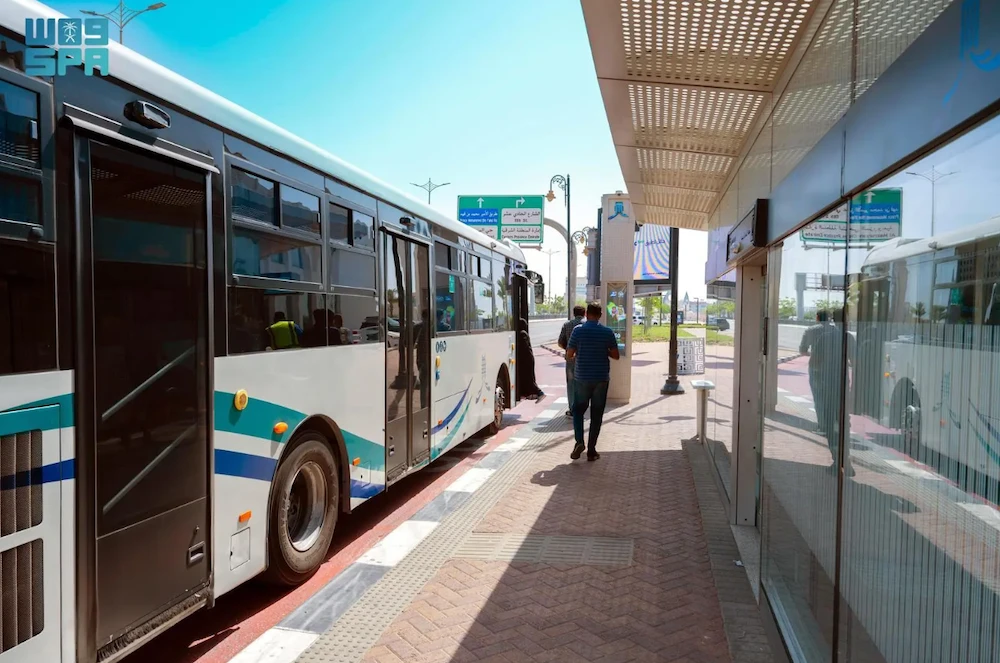
The bus network in the Eastern Province has transported more than six million passengers since it was introduced in 2022. (SPA)
Short Url
Updated 24 April 2025
Follow

Eastern Province bus network carries 6m passengers in 3 years

  • System set to add 7 new routes soon, municipality says
  • Kingdom’s public transport networks have seen significant expansion in recent years

More than 6 million passengers have used the public bus network in the Kingdom’s Eastern Province since its introduction in 2022.

Comprising 10 routes and 279 stops, the service operates 85 buses for 18 hours a day. During the recent Eid Al-Fitr holiday, it was used by about 12,500 passengers per day, the Saudi Press Agency reported.

According to the municipal government, a new phase will be introduced soon that will see a fleet of environmentally buses running on seven routes in Dammam, Alkhobar, Qatif and Al-Bayda. The expansion is part of a wider plan to improve urban infrastructure, promote sustainable transport and support tourism in the region, the report said.

With tickets priced from SR3.45 (92 US cents) more than 90 percent of passengers surveyed in the first quarter of this year said they were satisfied with the service.

The country’s public transport networks have been expanded significantly in recent years as part of the government’s efforts to reduce traffic congestion and improve quality of life for people living in cities.

The six-line Riyadh Metro, which opened in December and covers about 176 km, carried more than 18 million passengers in its first two months of operation.

A key component of the King Abdulaziz Project for Riyadh Public Transport and Saudi Vision 2030, the system is designed to carry up to 3.6 million passengers a day. It has driverless trains, air-conditioned cabins and designated seating for different passenger groups.

Riyadh also has an extensive bus network, which spans more than 1,900 km, has more than 2,860 stops and a daily capacity of 500,000 passengers.
Interactive experiences bring stories of courage and patience to life at Prince Turki bin Saud Palace

Updated 9 sec ago
Follow

Interactive experiences bring stories of courage and patience to life at Prince Turki bin Saud Palace

RIYADH: At the historic Prince Turki bin Saud Palace in Diriyah, past and present converge as immersive experiences revive stories of courage, patience and resilience rooted in the era of the First Saudi State.

The palace is one of the key landmarks featured in the “Hal Al-Qusoor” program, a flagship initiative of Diriyah Season 25/26, drawing visitors eager to explore a site rich in cultural and social significance.

Prince Turki was born in the At-Turaif District of historic Diriyah in the late 12th century AH (18th century). He grew up in an environment shaped by courage, horsemanship and leadership, influenced by his father, Imam Saud bin Abdulaziz, the commander of the First Saudi State’s armies.

Located in the southern part of the At-Turaif District, the palace was constructed in the early 13th century AH and reflects the traditional Najdi architectural style.

Built using mud bricks, stone and tamarisk wood, the structure consists of two floors arranged around a central courtyard.

Its wide gates and multiple exits reflect both the architectural traditions of the time and the practical realities of life during that era.

As visitors move through the palace, they can imagine the discussions and strategic decisions that once took place within its walls and contributed to Diriyah’s resilience.

Today, interactive experiences enhanced by sound and lighting technologies bring these historical narratives to life, offering an engaging window into the past.

From private living spaces to formal reception and meeting halls, the palace presents a vivid picture of daily life during the First Saudi State, with architectural details that echo stories of bravery and steadfastness.

Diriyah Season 25/26 supports the vision of the Diriyah Gate Development Authority by reinforcing Diriyah’s role as the birthplace of the Saudi State.