WASHINGTON: US President Donald Trump doubled down Wednesday on a funding standoff with top university Harvard that has become a focal point of his war against elite educational institutions.
Harvard has stood out for defying Trump’s attempts to force it to submit to wide-ranging government oversight, in contrast to several other universities that have folded under intense pressure from the White House.
“Harvard can no longer be considered even a decent place of learning, and should not be considered on any list of the World’s Great Universities or Colleges,” Trump said on his Truth Social platform.
“Harvard is a JOKE, teaches Hate and Stupidity, and should no longer receive Federal Funds.”
On Tuesday, Trump threatened to strip the university of its tax-exempt status as a nonprofit educational institution, after earlier freezing $2.2 billion in federal funding.
Trump has demanded that the university change the way it runs itself, including how it selects students and its hiring practices, and that it submit itself to “audits” of academic programs and departments.
On Tuesday, Harvard President Alan Garber said the school would not “negotiate over its independence or its constitutional rights.”
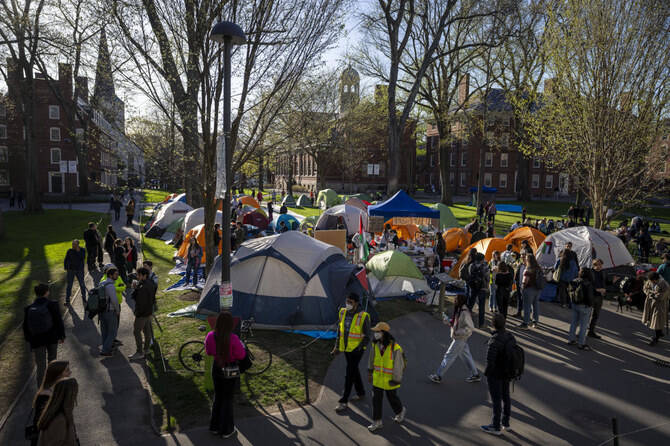
The US president and his administration have justified their pressure campaign on universities as a reaction to what they say is uncontrolled anti-Semitism and support for the Palestinian armed group Hamas.
The anti-Semitism allegations are based on protests against Israel’s war in Gaza that swept across campuses last year.
The White House has also strong-armed dozens of universities and colleges with threats to remove federal funding over their policies meant to encourage racial diversity among students and staff.


![]()

Trump says Harvard a ‘joke’ undeserving of US federal funding
Short Url
https://arab.news/cunc8
Trump says Harvard a ‘joke’ undeserving of US federal funding
- Harvard has stood out for defying Trump’s attempts to force it to submit to wide-ranging government oversight
- Trump’s administration have justified their pressure campaign on universities as a reaction to what they say is uncontrolled anti-Semitism and support for Hamas


Latest updates


Recommended


© 2026 SAUDI RESEARCH & PUBLISHING COMPANY, All Rights Reserved And subject to Terms of Use Agreement.