What We Are Reading Today: ‘Contemporary Kingdom’

Photo/Supplied
Short Url
Updated 14 April 2025
Follow

What We Are Reading Today: ‘Contemporary Kingdom’

  • Physically substantial, the book feels symbolic — like a literal building block in the ongoing construction of Saudi Arabia’s artistic future

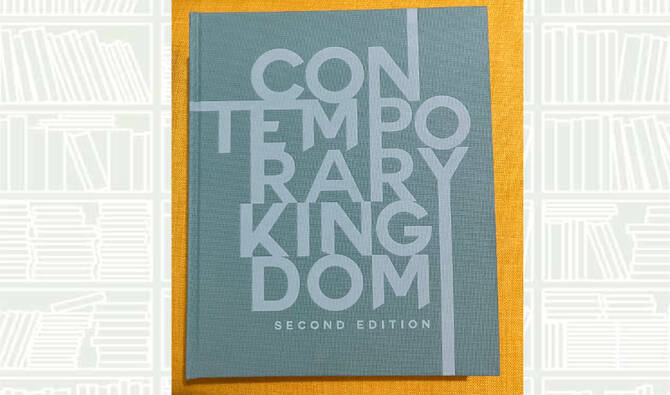
The new edition of “Contemporary Kingdom” is a lush green coffee table volume that is more than worthy of the space it occupies.

Building on the original 2014 release, the new edition offers a sweeping insight into one of the world’s most dynamic art scenes. With expanded coverage, it dives deep into the Kingdom’s bold and vibrant creative landscape through essays and detailed profiles of contemporary Saudi artists.

This expanded volume charts the evolution of Saudi Arabia’s art scene. It highlights visionary artists, pivotal moments and cultural shifts that have pushed the Kingdom onto the global art stage.

From historical context to groundbreaking contemporary movements, the book captures a transformative journey in motion.

Physically substantial, the book feels symbolic — like a literal building block in the ongoing construction of Saudi Arabia’s artistic future.

Featuring a foreword by Saudi Minister of Culture Prince Bader bin Abdullah, Part 1 is titled “The Ecosystem” and includes essays by notable Saudi voices such as Ashraf Fagih and Dalal Majed, alongside international contributors.

Part 2 presents profiles of 55 Saudi artists, complete with suggestions for further reading.

Launched by Canvas Magazine in collaboration with the Visual Arts Commission under the Ministry of Culture, the book made its debut during the inaugural Art Week Riyadh, which ended on April 13.

“Contemporary Kingdom, Second Edition” is available for purchase at the Riyadh Art Building in JAX, Diriyah, adjacent to the Saudi Arabia Museum of Contemporary Art, through the end of May.


What We Are Reading Today: ‘The Bell Jar’

Photo/Supplied
Updated 20 December 2025
Follow

What We Are Reading Today: ‘The Bell Jar’

  • The bell jar — clear, enclosing, and distorting the air she breathes — becomes the perfect image of Greenwood’s entrapment. Just as telling is the fig tree she imagines, with each fig representing a possible future: writer, traveler, mother, lover

Author: Sylvia Plath

Sylvia Plath’s “The Bell Jar” (1963) is a raw and luminous portrait of a young woman standing at the edge of adulthood, grappling with ambition, doubt, and the suffocating weight of expectation. 

Through the eyes of the novel’s troubled protagonist Esther Greenwood, Plath reveals the loneliness that can lie hidden beneath achievement and the unease brought on by future expectations.  

The novel opens in New York, where Greenwood’s magazine internship seems the gateway to success. Yet the city’s glamor soon feels hollow, and the confidence around her thin and brittle. 

Her sense of direction begins to fade, and the life laid out before her starts to feel both too small and impossibly distant.  

The bell jar — clear, enclosing, and distorting the air she breathes — becomes the perfect image of Greenwood’s entrapment. Just as telling is the fig tree she imagines, with each fig representing a possible future: writer, traveler, mother, lover. 

Torn between these possibilities, she hesitates until the figs shrivel and drop. This image, perhaps more than any other, reveals how fear of choice can quietly undo a person.   

Plath’s writing is sharp and deeply humane. She exposes the subtle pressures shaping women’s lives at that time without sentiment or complaint. 

The narrative’s erratic rhythm mirrors the character’s disoriented state of mind, where thought and memory blur at the edges. 

“The Bell Jar” speaks to anyone who has felt caught between possibility and paralysis, between who they are and who they are expected to be. 

Plath writes with precision and compassion, turning confusion into clarity and despair into something almost inspiring.