



RIYADH: Saudi Arabia’s domestic tourism sector is experiencing a sharp rise in travel during Eid Al-Fitr, injecting fresh momentum into the hospitality industry. A growing preference for local destinations is reshaping the market as residents seek immersive experiences within the nation’s tourism landscape.
The Kingdom saw a 45 percent rise in domestic flight bookings in 2024, driven by expanding tourism offerings and greater connectivity through low-cost carriers, according to Almosafer’s latest travel trend report released in January.
Domestic travel has surged in recent years, with Eid Al-Fitr becoming a peak period for local tourism, said Nicolas Mayer, PwC Middle East partner and global tourism industry lead. He noted that domestic flight bookings rose 45 percent year-on-year in 2024, highlighting a growing preference for local exploration.
“There are a few key reasons behind this shift. First, the Kingdom has made huge strides in improving its tourism offerings. With more affordable flight options due to low-cost carriers, travel has become a lot more accessible,” Mayer said.
The report showed a 39 percent increase in domestic room night bookings, while combined local flight and hotel reservations accounted for over 40 percent of the travel market, up 11 percent year-on-year.
The surge in domestic travel is fueled by a broader range of destinations, accommodations, and experiences attracting leisure visitors. Family and group travel have been major drivers, with bookings in these segments soaring over 70 percent.
Saudi Arabia’s mega-projects, including NEOM, a futuristic city on the Red Sea, and The Red Sea Project, which focuses on luxury and eco-tourism, further fuel domestic tourism growth. Cultural landmarks like AlUla, known for its ancient Nabatean heritage, and Diriyah, the birthplace of the Saudi state, are undergoing significant restoration to offer visitors rich historical and cultural experiences.
“Eid Al-Fitr is a special time for families and culture, and it encourages travel and experiencing something new. There are so many great options for people to celebrate within the Kingdom — it’s a great opportunity to discover Saudi Arabia’s rich culture and hidden gems right here at home,” he added.
Mayer pointed to Saudi Arabia’s massive investment in tourism infrastructure under Vision 2030, which is making it easier for residents to explore new destinations.
The Kingdom’s Minister of Tourism Ahmed Al-Khateeb recently said that the nation’s tourism accommodation is expected to double over the next decade. The country currently has around 400,000 guest rooms, projected to reach 800,000 by 2030. Al-Khateeb reiterated Saudi Arabia’s goal of becoming one of the world’s top seven tourism destinations by the end of the decade.
At King Abdullah University of Science and Technology, officials have observed a significant rise in family and group bookings, which have grown over 70 percent across key traveler segments.
Nour El-Shikh, media and public relations specialist in global branding and communications at KAUST, said travel groups are gravitating toward destinations that offer distinctive events and experiences.
“While major cities like Makkah, Riyadh, and Jeddah remain popular, emerging spots like Abha, Al Jubail, Jizan, Tabuk, and Hail are drawing increased attention for their unique landscapes and activities,” El-Shikh said.
AlUla, a UNESCO-listed site, has also gained traction as a premier domestic and international destination, a sign of Saudi Arabia’s continued investment in diversifying its tourism appeal.
“This has fostered a renewed appreciation for the Kingdom’s rich cultural heritage and natural beauty. The combination of improved infrastructure, increased accessibility, and a growing emphasis on family-oriented activities has made exploring local destinations more appealing than ever,” El-Shikh added.
The Haramain Train, which connects Madinah, Jeddah, and Makkah, is another example of how Saudi Arabia is reducing car traffic and improving access to Islam’s two holiest cities, she added.
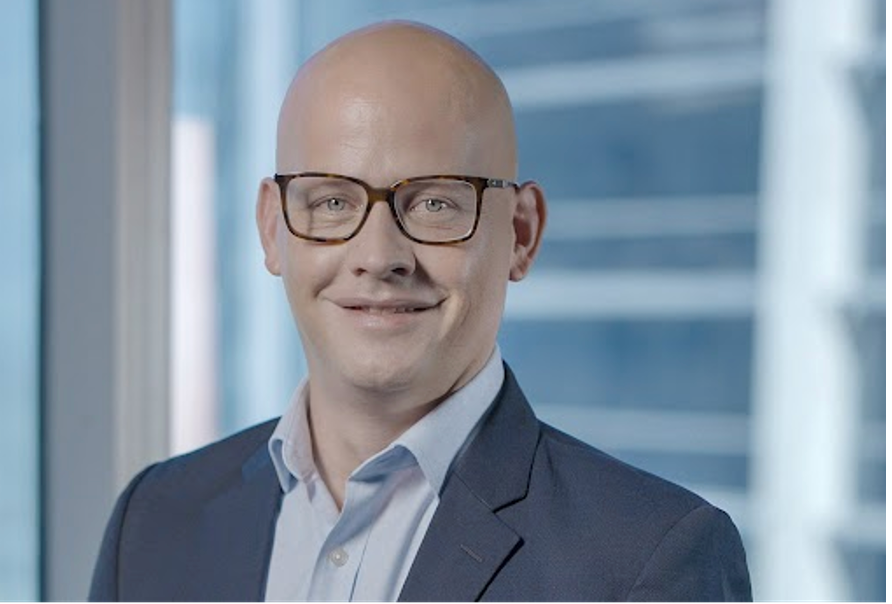
Nicolas Mayer, PwC Middle East partner, global tourism industry lead. Supplied.
Hotels, resorts adapt to demand
With the surge in domestic travelers, Saudi Arabia’s hospitality sector is evolving to cater to changing preferences. Mayer pointed out that hotels and resorts are focusing on personalized experiences rather than simply increasing room capacity.
“Take Eid, for example. It’s a time when families want to be together, enjoy traditions, and make memories. Operators are catching on to that and offering packages and programs that feel more meaningful — whether it’s culturally inspired dining, kids’ activities, or even small touches that reflect the spirit of the holiday,” he said.
The demand for alternative accommodations is also growing, with vacation rentals, villas, and hotel apartments gaining popularity, particularly among families. Meanwhile, digital innovation is playing a critical role in enhancing the travel experience.
“If the booking process isn’t smooth or the service isn’t responsive, people notice. Tech isn’t a nice-to-have anymore — it’s expected,” Mayer added.
El-Shikh echoed this sentiment, emphasizing that many establishments are expanding and renovating to accommodate larger groups. “They are also introducing special Eid packages with family activities, cultural events, and traditional culinary experiences,” she said.
Mobile apps, virtual tours, and seamless payment methods such as Apple Pay and buy now, pay later options are also shaping consumer behavior. Sustainability and eco-friendly practices are becoming a priority, aligning with modern travelers’ values.
Future of domestic tourism
Saudi Arabia’s domestic tourism market is set for further transformation, driven by technology and evolving consumer expectations. Mayer expects a rising demand for personalized, culturally immersive, and seamless experiences.
“On the business side, I’m seeing a lot of energy going into creating more curated, tech-enabled journeys. Travelers expect smooth bookings, helpful digital tools, and recommendations that feel relevant. It’s no longer about just having a website or an app — it’s about using tech to anticipate what people want before they even ask,” he said.
The expansion of tourism beyond the well-known urban centers is also unlocking new opportunities. “More regions across the Kingdom are starting to offer these kinds of experiences. We’re moving beyond the well-known cities, and that’s opening up a whole new set of opportunities for domestic tourism,” Mayer added.
El-Shikh highlighted a growing trend toward experiential travel, where visitors seek immersive cultural experiences. “Stakeholders are developing unique offerings that highlight the Kingdom’s diverse heritage and natural landscapes,” she said.
New infrastructure fuels demand
The Kingdom’s infrastructure expansion is proving to be a game-changer for domestic tourism. Mayer noted that investments in roads, airports, and public transport are making once-remote destinations more accessible.
“It’s not just about building new airports or roads — it’s about opening new areas of the country that people might not have explored before,” he said.
Businesses are capitalizing on this momentum by designing experiences tied to local culture. “Around Eid especially, we see more businesses take advantage of that momentum. They’re creating experiences that feel connected to a place — whether it’s a cultural festival, a family-friendly activity, or a beautifully restored heritage site that tells a local story. These touchpoints resonate with travelers because it’s not just leisure — it’s personal,” Mayer explained.
El-Shikh added that in-destination activities such as guided tours, adventure sports, and cultural experiences are central to travel, enhancing engagement with local communities. “By collaborating with local artisans, cultural institutions, and heritage sites, tourism businesses are creating unique experiences that resonate with residents and encourage them to appreciate their own cultural heritage,” she said.
As Saudi Arabia continues to develop its tourism sector, a rising emphasis on domestic travel is expected to fuel sustained growth, further embedding Eid Al-Fitr as a cornerstone of the Kingdom’s evolving travel landscape.


