

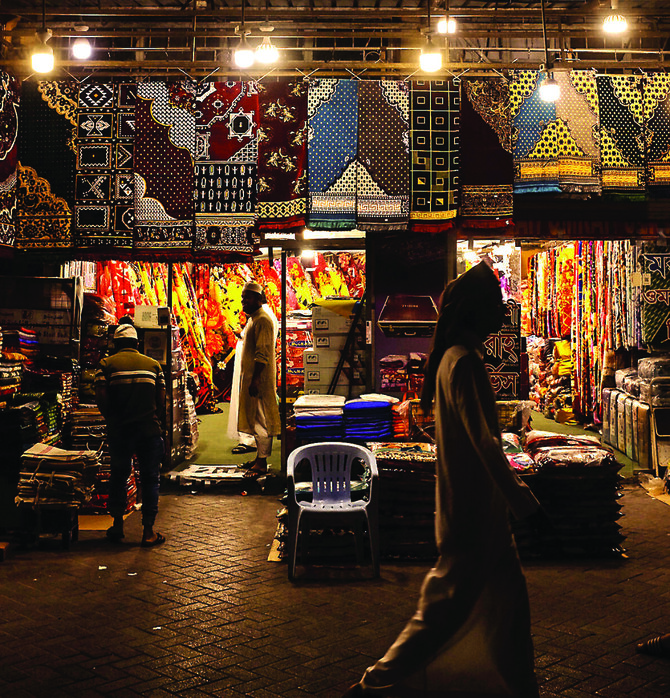

RIYADH: The holy month of Ramadan offers profound creative inspiration with its themes of faith, renewal and introspection, three Saudi artists have told Arab News.
Norah Al-Ruwaili, Manar Al-Otaibi and Sultan Al-Qahtani discussed how Ramadan shapes their artistic expression.
For Al-Ruwaili, the holy month allows her to engage with her work more deeply. “Ramadan naturally slows everything down, creating space for reflection and intentionality,” she said.
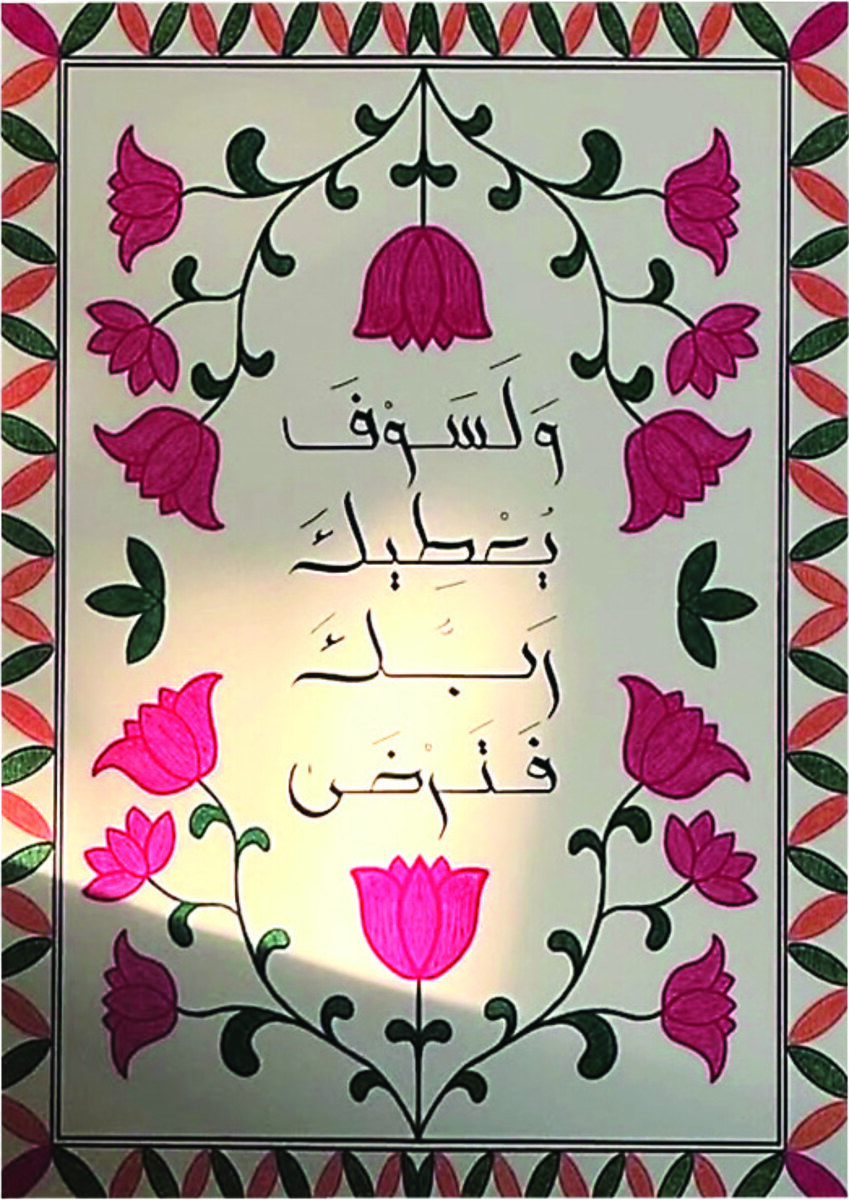
An artwork featuring floral patterns and Arabic calligraphy. (Supplied/@noras.scribbles)
“That shift influences my art. I become more mindful of the themes I explore and the emotions I want to convey.”
Al-Otaibi echoed this sentiment, describing how Ramadan transforms her approach to creativity.
“Ramadan deeply influences my artistic process by bringing a sense of stillness, introspection and spirituality,” she said.
Usually warmth is presented in the sunny days. In Ramadan, nights lights are vibrant and reflect warmth.
Sultan Al-Qahtani
For Al-Qahtani, a photographer, Ramadan shifts his focus to nighttime settings and the beauty of lights in the holy month. “Usually warmth is presented in the sunny days. In Ramadan, nights lights are vibrant and reflect warmth,” he said.
Al-Ruwaili finds herself “drawn to themes of stillness, spirituality and inner transformation.
“Patterns, calligraphy and elements inspired by prayer mats or architecture often appear in my work, like in my Mihrab paintings.
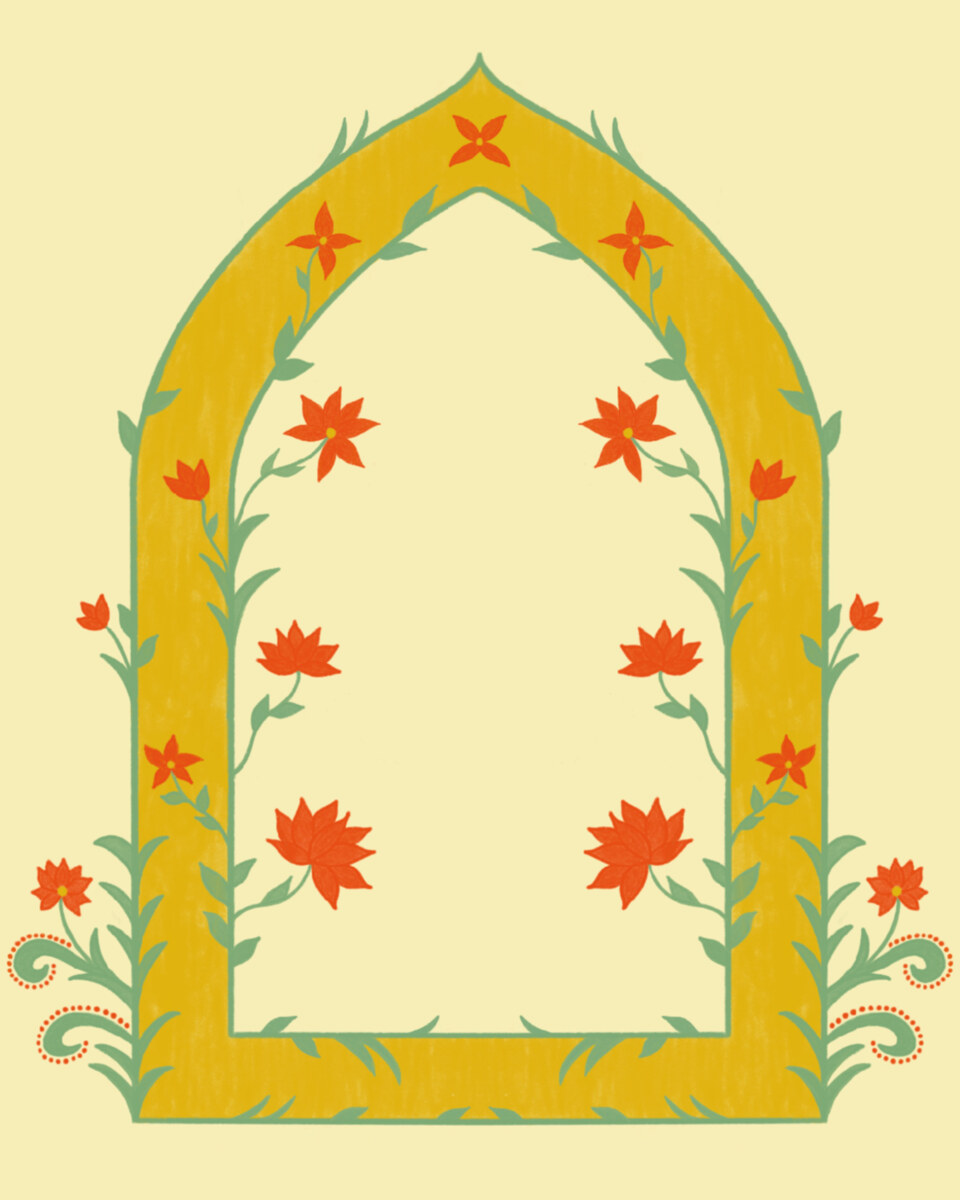
A vibrant mihrab-inspired artwork adorned with red floral elements. (Supplied/@noras.scribbles)
“I also love incorporating symbolism, whether through floral elements that represent spiritual blossoming or color choices that evoke serenity and depth,” she said.
Al-Otaibi uses “vibrant colors and intricate patterns” to express the emotions of the holy month.
For Al-Qahtani, Ramadan photography records the community spirit; he captures crescent moons, street scenes and family gatherings as central elements.
Al-Ruwaili said that spirituality and creativity are inseparable during Ramadan: “Creativity and spirituality aren’t separate for me, they intertwine. My artistic process becomes quieter and more intentional during Ramadan, almost like a form of meditation.”
But balancing creative work with fasting and responsibilities is a challenge, Al-Otaibi said. “It can be challenging, especially with work and other responsibilities. However, I often feel refreshed and inspired after iftar, which helps me reconnect with my creative flow,” she added.
Al-Qahtani experiences creative moments spontaneously, often between prayers and meals: “Creative moments are not planned but sometimes it can be harnessed late at night between prayers and meals.”
Representing the true spirit of Ramadan in visual art is not always easy. For Al-Ruwaili, moving beyond traditional imagery like lanterns and crescents to capture the feeling of Ramadan is her biggest challenge.
“Ramadan is deeply personal and spiritual, so visually representing its essence without being overly literal can be challenging,” she said.
“I try to move beyond traditional symbols like lanterns or crescents and focus more on the feeling of Ramadan: The sense of peace, renewal and contemplation.”
Al-Otaibi also struggles to visually depict the intangible elements of the holy month. “One challenge is translating the atmosphere of Ramadan into visual art, through key elements like the moon, fanous lights and family gatherings.
For Al-Qahtani, the challenge lies in capturing aesthetic nighttime lighting without overexposing the image: “Since most of the pictures I take are in the night, (I need) proper lighting — aesthetically pleasing lights, not just lots of lights.”
Al-Ruwaili’s Mihrab digital paintings hold a deep personal meaning: “My Mihrab digital paintings are probably the clearest example. They were inspired by the patterns found in prayer mats, which hold so much significance in daily spiritual practice.
“To me, they represent a sacred space; a personal retreat where stillness and connection meet,” she said.
Al-Otaibi created a painting of a family gathering during suhoor, which “represents togetherness, tradition and the quiet beauty of Ramadan nights.”
Al-Qahtani’s photography showcases Ramadan’s lights and the communal spirit.
Through painting, photography and digital art, the three artists capture the essence of the holy month, reflecting a period that is both personal and universally meaningful.


