



RIYADH: Ramadan, for many people, is an exceptional opportunity to practice self-discipline. Some people focus on personal growth while others learn new habits or adopt healthy lifestyles.
Fasting, as one example, involves abstaining from food, drink, smoking and sexual relations from sunrise until sunset, teaching people to control their desires.
The shift in eating patterns allows Muslims to consume mindfully, gaining an appreciation for food and a greater understanding of the situation of millions of people around the world who lack access to safe food and drinking water.
“It is an excellent time for self-discipline,” Hind Saud told Arab News. “The essence of Ramadan and the practice of fasting is a transforming experience, making you a better person, especially if you’re aiming to develop new habits that require self-control.”
She said that she took advantage of the month of fasting to build positive habits, control her food consumption and her appetite for sweets.
“Last Ramadan, I focused on enhancing my health by cutting caffeine. The long fasting hours encouraged me to incorporate healthier beverages like fresh juices, herbal teas and plenty of water.
“I also wanted to reduce my intake of sugar and artificial sweets, which I typically enjoy in desserts and snacks outside of Ramadan. So, I replaced it with fruits and yogurt as part of my suhoor meal.”
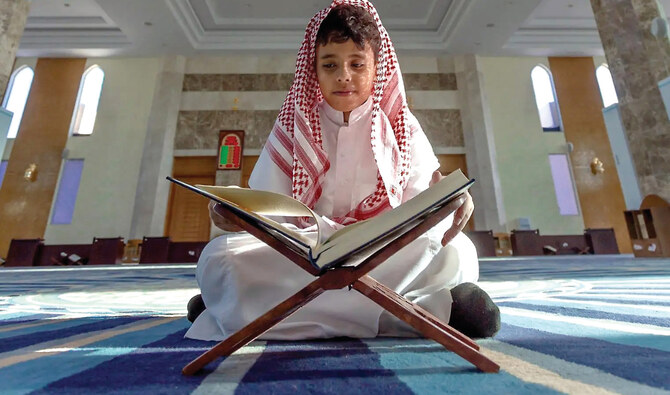
Ramadan is also a time for spiritual reflection. People use this month to deepen their relationship with God through prayers, reading the Qur’an, and giving to charity. It can also be a time to meditate and practice active meditation.
“Self-control in Ramadan is spiritually achieved by freeing oneself for worship and renewing one’s soul and body from the preoccupations in the past months,” said Amira Abdulmohsen, a local from Riyadh.
She added: “It is also achieved by abstaining from distractions such as wasting time on social media and instead using the time to read the Qur’an or memorize some chapters of it. Ramadan is in general a time to cleanse the body of toxins such as smoking.”
Both spiritual reflection and meditation require separating time from hectic schedules and engaging in activities that lift the spirit and help people to manage their time effectively.
For example, many Saudis during this holy month find joy in praying Taraweeh at the masjid. This daily activity creates a sense of responsibility because it must be performed every day at a specific time.
This habit not only encourages individuals to prioritize their spiritual well-being but also raises their sense of accountability toward themselves and their community. It is a great time to bring the neighborhood closer and strengthen their bonds as well.
“Taraweeh prayer strengthens the community’s relationship with each other, while a person strengthens his relationship with neighbors through Ramadan gatherings for iftar meal or through iftar gifts,” Abdulmohsen said.
“Iftar gifts are when I prepare an iftar dish and give some of it to the neighbors minutes before sunset.
“Or, when people have an iftar meal together every day at the local masjid. Some families have a habit of delivering meals to masjids during Ramadan.”
The lessons learned during Ramadan often extend beyond the month itself. Many Muslims find that the self-discipline learned during this time leads to lasting changes.


