ISLAMABAD: Pakistan’s anti-corruption watchdog has sealed numerous properties of a private real estate developer, M/s Bahria Town, for “defrauding people of billions of rupees,” Pakistani state media reported on Monday.
M/s Bahria Town, which claims to be Asia’s largest private real estate developer, has projects in several cities, including Islamabad, Lahore and Karachi, in the South Asian country.
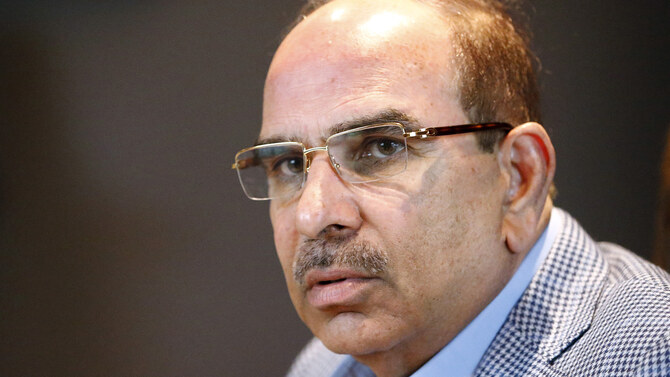
Pakistan’s National Accountability Bureau (NAB) said it had registered several cases of fraud and deception against Bahria Town owner Malik Riaz Hussain and others in Islamabad and Karachi courts, the Radio Pakistan broadcaster reported.
Hussain and his associates are accused of illegally occupying both government and private lands in Karachi, Rawalpindi and New Murree to establish housing societies without permission and defrauding people of billions of rupees.
“In recent actions related to this, numerous commercial and residential properties of Bahria Town in Karachi, Lahore, Takht Pari, New Murree/Golf City, and Islamabad have been sealed, including multi-story commercial buildings,” the Radio Pakistan report read.
“Additionally, hundreds of bank accounts and vehicles of Bahria Town have been frozen, and further actions in this regard are being carried out rapidly.”
There was no immediate comment from Bahria Town in response to NAB’s allegations.
The development comes more than a month after NAB filed a reference in an accountability court in Karachi, nominating Hussain, his son Ahmed Ali Riaz, former Sindh chief minister Syed Qaim Ali Shah and Sharjeel Inaam Memon, then local body minister and now information minister of Sindh, among 33 people for illegally transferring government land to M/s Bahria Town for its Bahria Town Karachi project in 2013 and 2014.
Hussain, who currently lives in Dubai, is one of Pakistan’s wealthiest and most influential businessmen and the country’s largest private employers. The anti-graft body this year said it had initiated the process to seek Hussain’s extradition from the United Arab Emirates (UAE), who was also charged in another land corruption case involving former prime minister Imran Khan and his wife.
A Pakistani court in January sentenced Khan to 14 years in prison and his wife, Bushra, to seven years, in the case in which they are accused of receiving land as a bribe from Hussain through the Al-Qadir charitable trust in exchange for illegal favors during Khan’s premiership from 2018 to 2022. Khan says he and his wife were trustees and did not benefit from the land transaction. Hussain too denies any wrongdoing relating to the case.
Hussain has recently launched a new project of luxury apartments in Dubai and NAB has prima facie evidence that certain individuals from Pakistan are illegally aiding him in this process by transferring their money to the UAE for investment in the project. These funds have been sent to foreign countries through “illegal means,” Radio Pakistan reported, citing the anti-graft body.
“Any funds transferred from Pakistan for this project will be considered money laundering, and legal action will be taken against the involved elements without discrimination,” the anti-corruption watchdog was quoted as saying.
“NAB will continue its legal actions against Bahria Town Pakistan without any delay or pressure to fully protect the rights of the citizens of Pakistan.”


![]()

Pakistan anti-graft body seals several properties of real estate developer for ‘defrauding’ citizens
Short Url
https://arab.news/bhkz9
Pakistan anti-graft body seals several properties of real estate developer for ‘defrauding’ citizens
- M/s Bahria Town, which claims to be Asia’s largest private real estate developer, has several projects in Islamabad, Lahore, Karachi and other Pakistani cities
- Pakistan’s National Accountability Bureau last month booked Bahria Town owner Malik Riaz Hussain in a graft case, initiated process to extradite him from Dubai


Latest updates


© 2026 SAUDI RESEARCH & PUBLISHING COMPANY, All Rights Reserved And subject to Terms of Use Agreement.