

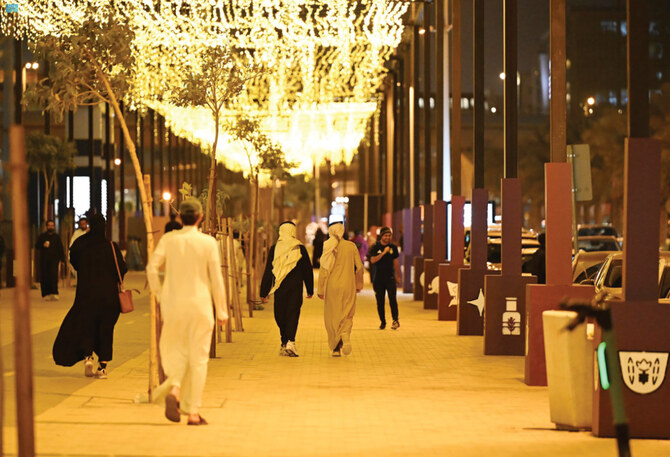

RIYADH: Embracing the essence of tradition while adapting to the evolving demands of a digital era, Ramadan in Saudi Arabia reflects a fusion of heritage and modernity.
The convergence of cultural roots with digital convenience is reshaping consumer expectations across the Kingdom, which has a population of 38 million, of whom 70 percent are under the age of 35.
Brands are now tasked with infusing core values such as personalization, community engagement, and generosity into the shopping journey to resonate with this tech-savvy and culturally rich demographic.
E-commerce rush in Saudi Arabia during holy month of Ramadan
According to Janahan Tharmaratnam, partner at Arthur D. Little Middle East, the Kingdom’s digital commerce market — valued at $14 billion in 2023 — is projected to reach $20 billion in 2025, a compound annual growth rate of 20 percent.
“The Ramadan period alone accounts for 35-40 percent higher transaction volumes, driven by a surge in demand for groceries, electronics, fashion, and gifting,” Tharmaratnam said. “The post-pandemic shift to online shopping has solidified consumer reliance on e-commerce, with 77 percent of Saudis now preferring digital-first shopping experiences.”
He went on to say that growth is not just focused on demand — it is also about fulfillment.

The Ramadan period alone accounts for 35-40 percent higher transaction volumes, driven by a surge in demand for groceries, electronics, fashion, and gifting.
Janahan Tharmaratnam, Partner at Arthur D. Little Middle East
“Logistics networks must scale by 40 percent to meet the Ramadan surge, with nighttime deliveries increasing by 50 percent compared to other months,” he explained, adding that successful businesses do not just ramp up promotions; they optimize artificial intelligence-driven demand forecasting, reduce delivery times by 30 to 40 percent, and integrate micro-fulfillment centers across urban hubs to ensure inventory is closer to consumers.
This shift from centralized warehouses to hyper-local distribution is key to sustaining Ramadan’s retail boom, according to Tharmaratnam.
“A prime example is Jahez, Saudi Arabia’s homegrown quick-commerce platform, which experienced a 70-percent surge in Ramadan orders last year. Instead of simply adding more riders, Jahez used AI-driven logistics to optimize routes, reducing delivery times by 25 percent,” he said. “The platform also expanded partnerships with neighborhood retailers, ensuring customers had access to essentials without supply-chain bottlenecks. This kind of data-driven agility will define the next phase of e-commerce in Saudi Arabia.”
Tharmaratnam said that mobile commerce dominates, accounting for over 90 percent of e-commerce transactions during Ramadan, while social commerce, via WhatsApp, Instagram, and TikTok, now drives 30 percent of online sales.
He went on to emphasize that the real disruption is the shift from transactional commerce to culturally embedded, experience-driven engagement, as traditional Ramadan shopping has focused on physical markets and communal buying.
The partner stressed that today, leading e-commerce players curate AI-driven experiences that align with consumer sentiment. From AI-powered gifting suggestions to influencer-led Ramadan livestreams, brands that focus on storytelling rather than hard-selling see higher conversion rates and customer retention beyond Ramadan.
“A great example is Namshi, a leading Saudi fashion e-commerce platform. Last year, Namshi saw a 45-percent boost in sales conversion rates by combining cultural resonance with digital engagement,” Tharmaratnam said. “The platform launched AI-powered Eid styling recommendations, influencer-led ‘Suhoor Lookbooks,’ and interactive content that blended fashion with tradition. By seamlessly integrating Ramadan traditions into the online shopping journey, Namshi transformed shopping from a necessity into a personalized, experience-driven event.”
Ramadan traditions and online shopping behaviors
There is no doubt that the fundamental values of Ramadan, such as generosity, family bonding, and the distinct pattern of late-night gatherings, have a significant impact on online shopping trends in Saudi Arabia.
According to Joe Abi Akl, partner and head of Oliver Wyman’s retail and consumer practice for India, the Middle East and Africa, there is a significant spike in demand for essential groceries, traditional fashion and thoughtful gifts, with peak activity occurring post-iftar.

Expect a significant leap in logistics efficiency, with same-day or even instant delivery becoming more prevalent.
Joe Abi, Akl Partner and head of Oliver Wyman’s retail and consumer practice
“Savvy businesses are capitalizing on this by crafting culturally resonant marketing campaigns, curating Ramadan-specific bundles, and ensuring swift, reliable delivery that accommodates the altered daily schedules. This includes leveraging suhoor and iftar time-focused promotions,” Akl said.
Ian Khan, a technology futurist and author, noted that Ramadan is not just a time of spiritual reflection, it is also a season of significant consumer activity — and retailers in Saudi Arabia are capitalizing on this in remarkable ways.
“Take Mazeed, for example — this e-commerce platform has curated products from over 8,000 local merchants, offering items that deeply resonate with Ramadan traditions.
“This isn’t just about sales; it’s about creating meaningful shopping experiences that align with cultural values,” Khan said.
Opportunities Ramadan e-commerce poses for businesses
Ramadan presents a prime opportunity for Saudi businesses to forge deeper customer connections through bespoke, culturally sensitive campaigns and exclusive loyalty programs.
Oliver Wyman’s Akl said that the heightened online traffic during this period allows for significant brand building and the refinement of operational efficiencies, particularly in fulfillment and delivery.
“This is also the perfect time to explore cutting-edge technologies like AI-powered chat commerce — which offers personalized customer service — and strategic influencer partnerships that resonate with the Saudi audience,” he added.
ADL’s Tharmaratnam suggested Ramadan is an opportunity not just to increase sales, but to build enduring digital-engagement strategies.
HIGHLIGHT
Mobile commerce accounts for over 90 percent of e-commerce transactions during Ramadan, while social commerce, via WhatsApp, Instagram, and TikTok, now drives 30 percent of online sales.
“The Kingdom’s population growth — 2.5 percent annually — and urban expansion are driving a fundamental shift in how businesses approach fulfillment, customer experience, and personalization. Instead of treating Ramadan as a short-term promotional window, brands that invest in AI-driven customer retention strategies and logistics optimization will see sustained post-Ramadan growth,” Tharmaratnam said.
“The biggest disruption comes from AI-driven conversational commerce. With WhatsApp and chatbot-based shopping now accounting for 25 percent of digital transactions, brands must rethink how they engage customers,” he added.
Moreover, supply-chain transparency is becoming a differentiator. Real-time delivery tracking and blockchain-enabled halal verification will build trust in Ramadan purchases, especially in the $6 billion halal food and fashion market, the ADL partner highlighted.
“An example of this is Cenomi, Saudi Arabia’s largest retail group, which seamlessly blends physical and digital commerce. By integrating augmented reality shopping experiences, in-store pickup for online orders, and AI-driven product recommendations, Cenomi saw a 30-percent Ramadan sales boost in 2023. This ‘phygital’ approach — combining the best of physical and digital shopping — will define the future of Ramadan commerce in the Kingdom,” Tharmaratnam said.
Khan told Arab News that shopping app installations in Saudi Arabia surged by 67 percent during Ramadan in 2024, in what is “clear indicator” of how mobile-first commerce is shaping the future.
He added: “Consumer spending follows this trend. In 2024, 64 percent of foreign nationals in Saudi Arabia reported higher expenditures during Ramadan, reinforcing the economic impact of the season. And across the Middle East and North Africa, e-commerce transactions shot up by 23 percent, with Gross Merchandise Value climbing 13 percent. This is the power of Ramadan in the digital age — blending tradition with technology to fuel unprecedented growth.”
Ramadan e-commerce projections and alignment with Vision 2030
From Oliver Wyman’s perspective, Akl explained that Ramadan e-commerce in Saudi Arabia this year will be driven by sophisticated AI personalization, ensuring shoppers receive highly relevant offers and recommendations.
“Expect a significant leap in logistics efficiency, with same-day or even instant delivery becoming more prevalent. Live shopping and social commerce will be integral, creating interactive and engaging experiences,” he said. “Furthermore, embedded finance solutions will streamline transactions, fostering frictionless purchasing.”
Akl went on to highlight that this evolution directly supports Saudi Vision 2030’s digital-transformation goals, building a robust, tech-enabled retail landscape that prioritizes convenience and expands consumer choice, directly contributing to the Kingdom’s economic diversification.
ADL’s Tharmaratnam noted that in 2025 Saudi Arabia’s e-commerce sector will be worth $20 billion, and the way consumers interact with digital platforms continues to evolve at an exponential pace.
“Ramadan commerce will shift from being reactive to predictive and personalized, driven by AI-powered shopping assistants, voice commerce, and health-integrated marketplaces. Consumers won’t just be browsing for products — they’ll be receiving real-time, AI-curated recommendations based on their dietary preferences, health conditions, and fasting habits,” he said.
Vision 2030 is pushing for a cashless economy, targeting 70 percent digital payments by 2025, as well as the expansion of smart logistics networks and the integration of digital health tools into everyday life. This means Ramadan e-commerce will no longer be just about selling — it will be about enabling better, healthier choices.
The partner explained that virtual dietitians, AI-powered hydration monitoring, and smart pharmacy solutions will be embedded directly into e-commerce experiences.
“A preview of this is already happening with SehhaTech, an AI-driven health-commerce platform in Saudi Arabia. SehhaTech integrates digital pharmacy services, health coaching, and e-commerce, allowing users to buy fasting-friendly supplements, receive medication adherence reminders, and even book telehealth consultations,” Tharmaratnam said.
“During Ramadan, these services saw a 150-percent increase in engagement, proving that consumers aren’t just looking for products — they’re looking for intelligent, personalized health solutions integrated with their shopping experiences,” he added.
Khan believes that as Saudi Arabia pushes toward Vision 2030 and a fully digital economy, the Ramadan rush will only become more sophisticated.
“AI-driven personalization, seamless fintech solutions, and hyper-efficient logistics will redefine the shopping experience. Businesses that understand this intersection of culture and technology will be the ones that thrive,” he said.


