

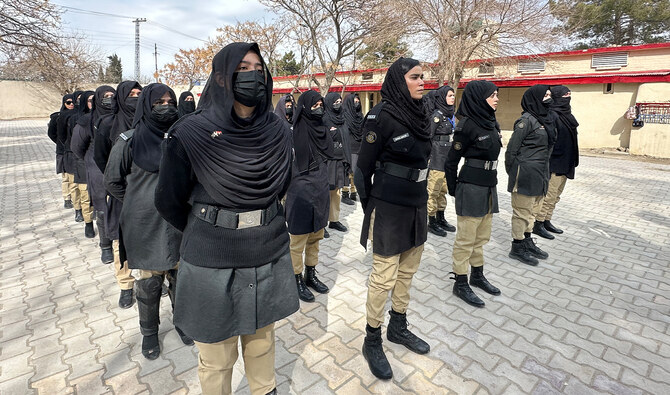

QUETTA: In the heart of Quetta’s Fayaz Sumbal Shaheed Police Lines, 24-year-old Nimra Muhammad Suleman stands poised among over two dozen female police officials, all preparing for their morning parade.
Having completed a rigorous seven-month training in January at the Police Training College on Quetta’s outskirts, Suleman is driven by a singular purpose: serving and protecting the women and children of Balochistan’s conservative tribal society.
Pakistan’s largest province in terms of landmass, the country’s southwestern region of Balochistan has long grappled with security challenges, with separatist groups intensifying their insurgency in recent years, notably by employing female suicide bombers.
Two years ago, a 30-year-old mother of two blew herself up at Karachi University, killing a group of Chinese academics to avenge Beijing’s decision to jointly undertake infrastructure and energy projects with Pakistan.
The collaboration did not sit well with separatist Baloch outfits, who accuse Pakistan of exploiting the province’s natural resources without benefiting the local population— an allegation denied by successive governments, which say they are carrying out development projects to improve people’s quality of life.
Given the changing nature of the threat, law enforcement agencies have also inducted more female officials in recent years.
“We are not lady constables,” Suleman said while speaking to Arab News on Friday. “We are police officers, and we can do everything by standing shoulder-to-shoulder with our male colleagues, including protecting women and children and countering terrorism.”
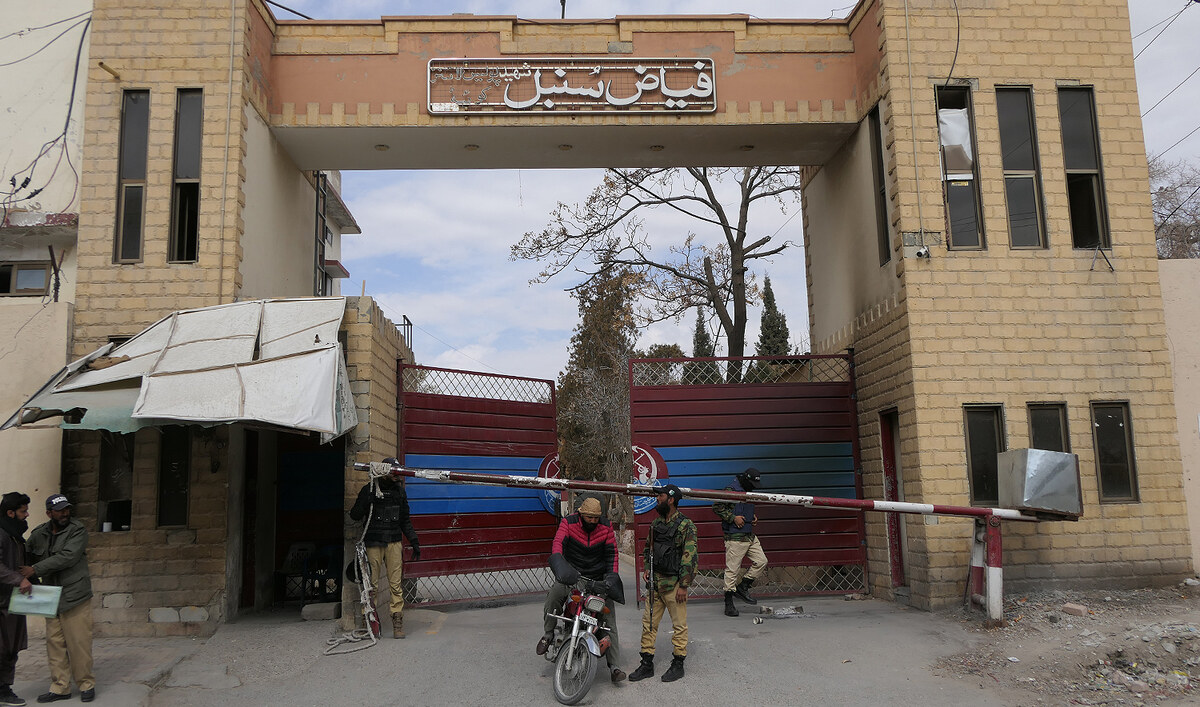
Security personnel stand guard outside the Fayaz Suambal Shaheed Police Lines in Quetta, Pakistan, on February 7, 2025. (AN Photo)
The recent graduation of over 1,600 cadets from the Police Training College, including 386 women from 32 districts, marks a transformative moment for Balochistan’s security.
“In other areas such as Punjab and Sindh, [women] police constables were in higher proportion. And now in Balochistan, a very large batch has passed out this time,” she continued. “We will now be equal [in terms of our strength] to Punjab and Sindh.”
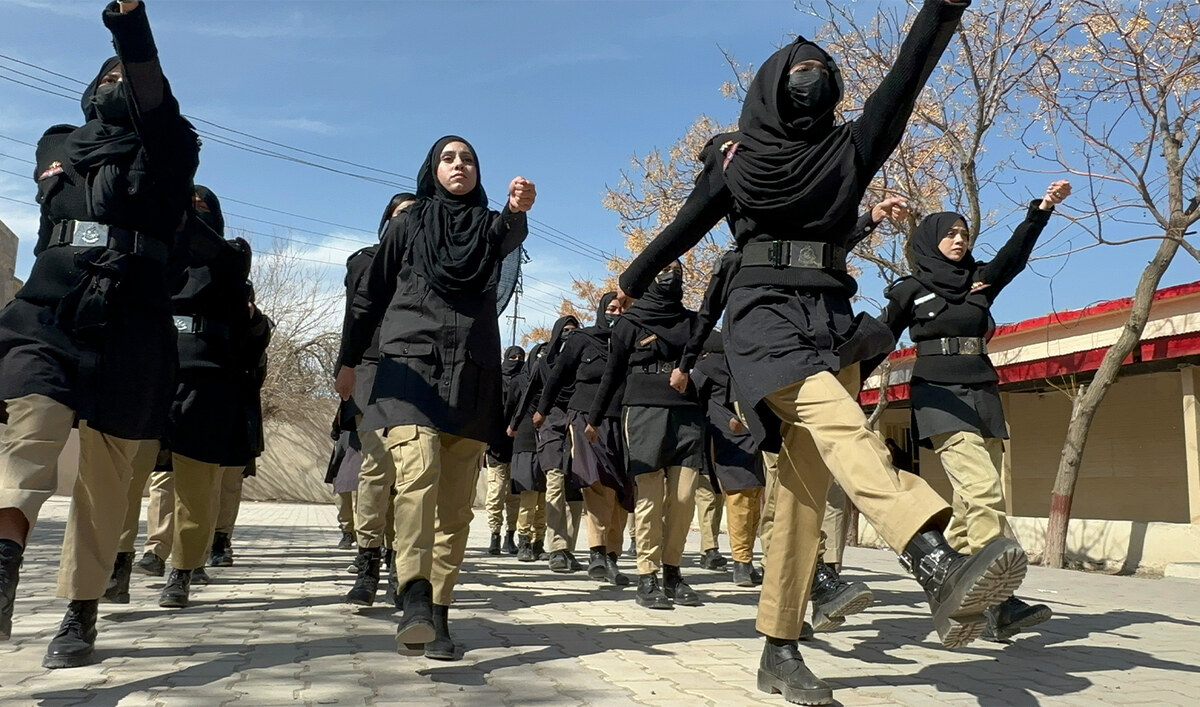
Nimra Muhammad Suleman (center) a police cadets, marches at the Fayaz Suambal Shaheed Police Lines in Quetta, Pakistan, on February 7, 2025. (AN Photo)
According to the provincial police department, the newly graduated women police officers have completed various training sessions alongside their male colleagues, including intense shooting practice and lessons on sections of the Pakistan Penal Code.
Now, female officers will also take part in snap checking of vehicles, conduct investigations and carry out raids against suspected criminals.
“When I was posted here in 2014, the total strength of women police personnel was 32, but as crime rates against women increased, the department raised the number to over 500,” said Station House Officer Zarghoona Kakar who trained Suleman and her batch.
“From now on, women will be seen everywhere in Balochistan because the time has changed when women police officers were limited to raids and office work,” she added.
The integration of these female officers comes at a critical juncture. In 2024 alone, Balochistan reported nearly 40 attacks against its police force, resulting in 25 fatalities and 61 injuries.
For many of these newly inducted officers, joining the police force required overcoming societal and familial hurdles. Javeriya Sarwar, another graduate, emphasized the importance of parental support.
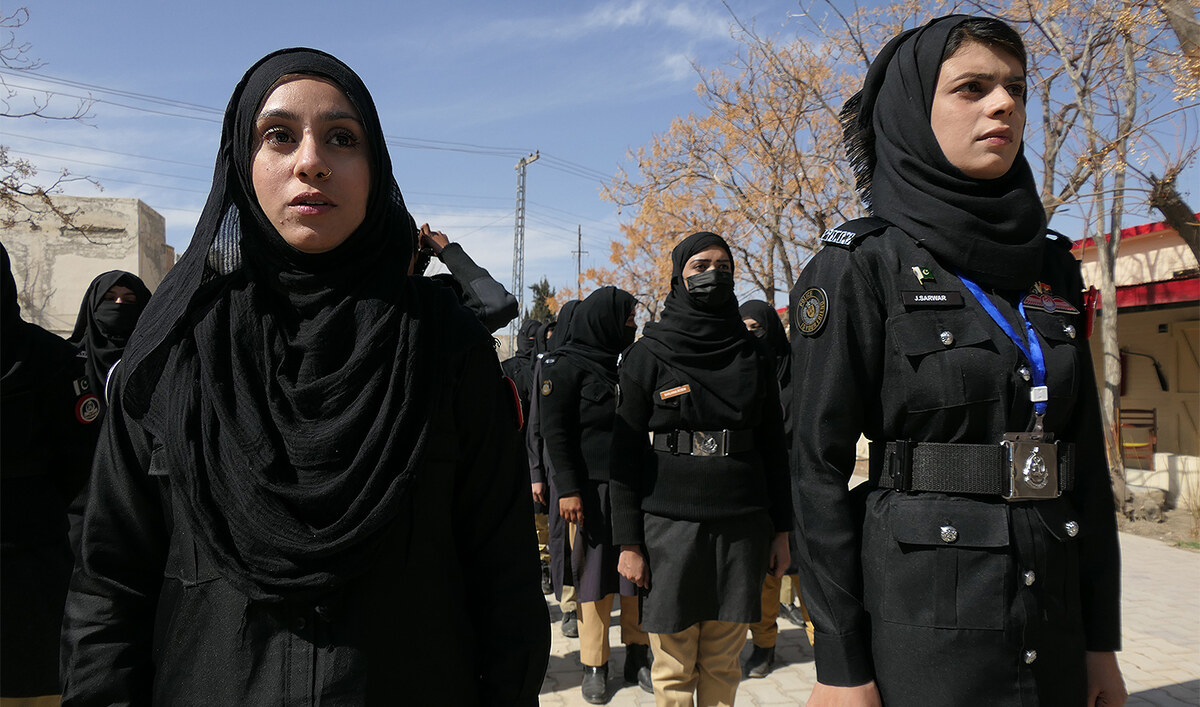
Javeriya Sarwar (first right) and Nimra Muhammad Suleman (left) stand guard for a regular parade at the Fayaz Sumbal Shaheed Police Lines in Quetta, Pakistan, on February 7, 2025. (AN Photo)
“Many people in Balochistan have a negative mindset toward sending their daughters to the police department, but girls should join the police force since it provides us the opportunity to serve the masses,” she said.
Initially, Sarwar’s father was hesitant about her career choice, but she persuaded him to allow her to pursue her passion for policing.
“A man in uniform can sacrifice his life for the country,” she said. “With Balochistan being plagued by terrorism, it was my passion to sacrifice everything for the police force and Pakistan.”


