


RIYADH: Saudi startups eyewa and Lean Technologies have set a new benchmark in attracting international investment and driving innovation across the Middle East in 2024.
Operating in the retail and fintech sectors, respectively, these companies have secured significant funding rounds and reached major milestones, cementing their roles as pivotal players in the region’s entrepreneurial ecosystem.
The future of eyewear
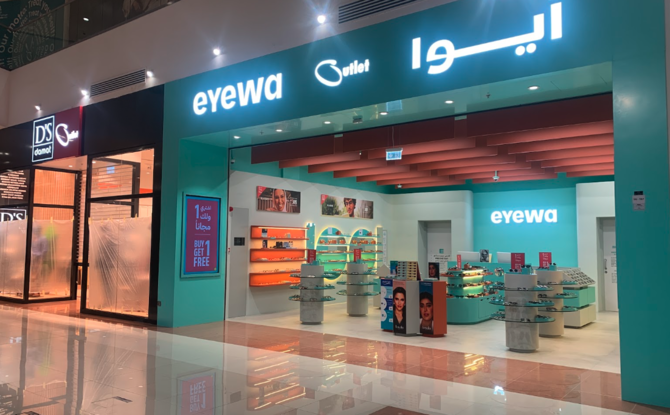
Dual-headquartered in the UAE and Saudi Arabia, eyewa had a landmark year in 2024. The company surpassed 150 stores across the Middle East and secured its largest funding round to date — $100 million — led by General Atlantic, a leading global growth investor based in the US.
In an interview with Arab News, co-founder and co-CEO of eyewa Anass Boumediene emphasized the importance of these milestones, saying: “Investment from such a major international growth equity firm clearly highlights the strength of our business model.”
He added that eyewa’s rapid expansion is part of a broader strategy to reach 250 stores by the end of 2025.
Customer feedback has been central to eyewa’s success, helping the company navigate challenges in its competitive market. “Our first step in mitigating challenges has always been to listen to what we are being told by our customers,” Boumediene said.
Drawing from this feedback, the company invested in advanced technological solutions to improve the customer experience. Notable innovations include AI-assisted eye exams for more accurate prescriptions and augmented reality features that allow customers to try on glasses virtually via eyewa’s website and app.
Boumediene added: “These innovations have allowed us to bridge the gap between in-store and online experiences, making eyewear shopping more accessible and convenient.”
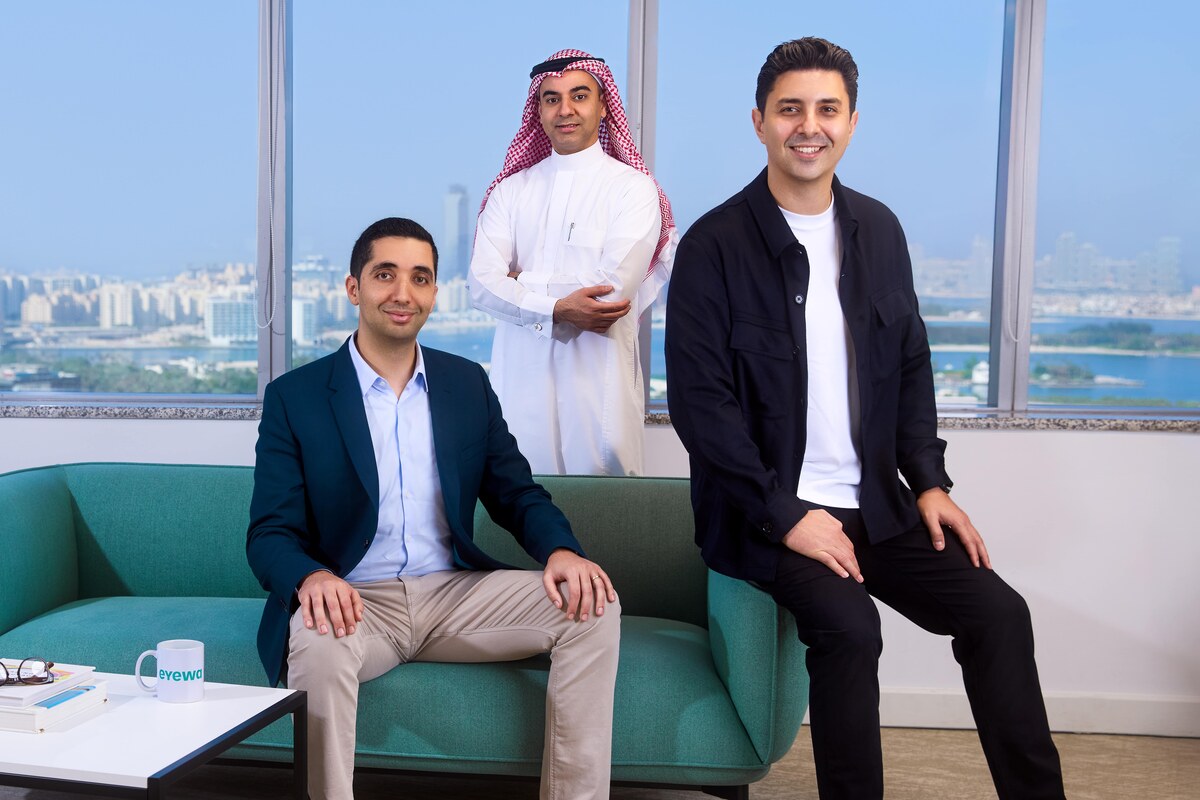
The founders of eyewa, with Anass Boumediene on the right. Supplied
Eyewa’s Gulf-centric approach to product design and pricing sets it apart from global competitors. “We design our glasses specifically for people in the region, whereas our global competitors tend to follow the US or European trends,” Boumediene said.
Affordability is another key driver of eyewa’s success, with prescription glasses starting at $100 — half the average price in the GCC.
“Our designs and pricing are a major factor in the success of eyewa. People in the region really feel like they can connect with the brand at a variety of price points,” he explained.
Building a diverse and strong team has been integral to eyewa’s growth. The company now employs over 1,300 people from more than 50 nationalities, achieving gender parity, with just over 50 percent of its workforce being female.
Boumediene highlighted eyewa’s approach to talent development, saying that optometrists have clear career paths, whether technical or managerial. “Our retail director, who leads our retail operations, is an optometrist,” he added, underscoring the company’s commitment to internal growth.
Looking ahead to 2025, eyewa plans to open an additional 100 stores and establish a production and fulfillment hub in Riyadh. Boumediene described the hub as a game-changer: “It will allow us to deliver bespoke products to customers within 24 hours, the fastest service in the region.”
He further noted that the Middle East’s young population and rapidly growing economies will continue to fuel demand for eyewear, positioning eyewa to capitalize on these trends.
Powering fintech
Lean Technologies, one of the Middle East’s leading fintech infrastructure startups, marked 2024 as a year of milestones, growth, and impact.
Hisham Al-Falih, CEO of Lean Technologies, told Arab News: “This year, two milestones stand out. The first, and perhaps the most visible, is our Series B funding round of $67.5 million, led by General Catalyst with participation from Bain Capital Ventures, Stanley Druckenmiller, Arbor Ventures, and other top-tier investors.”
Al-Falih emphasized that the funding round was not just significant for the capital raised, but also for the caliber of investors backing Lean. “It’s a reflection of the potential they see in the region,” he said, calling it a standout moment for the fintech industry.
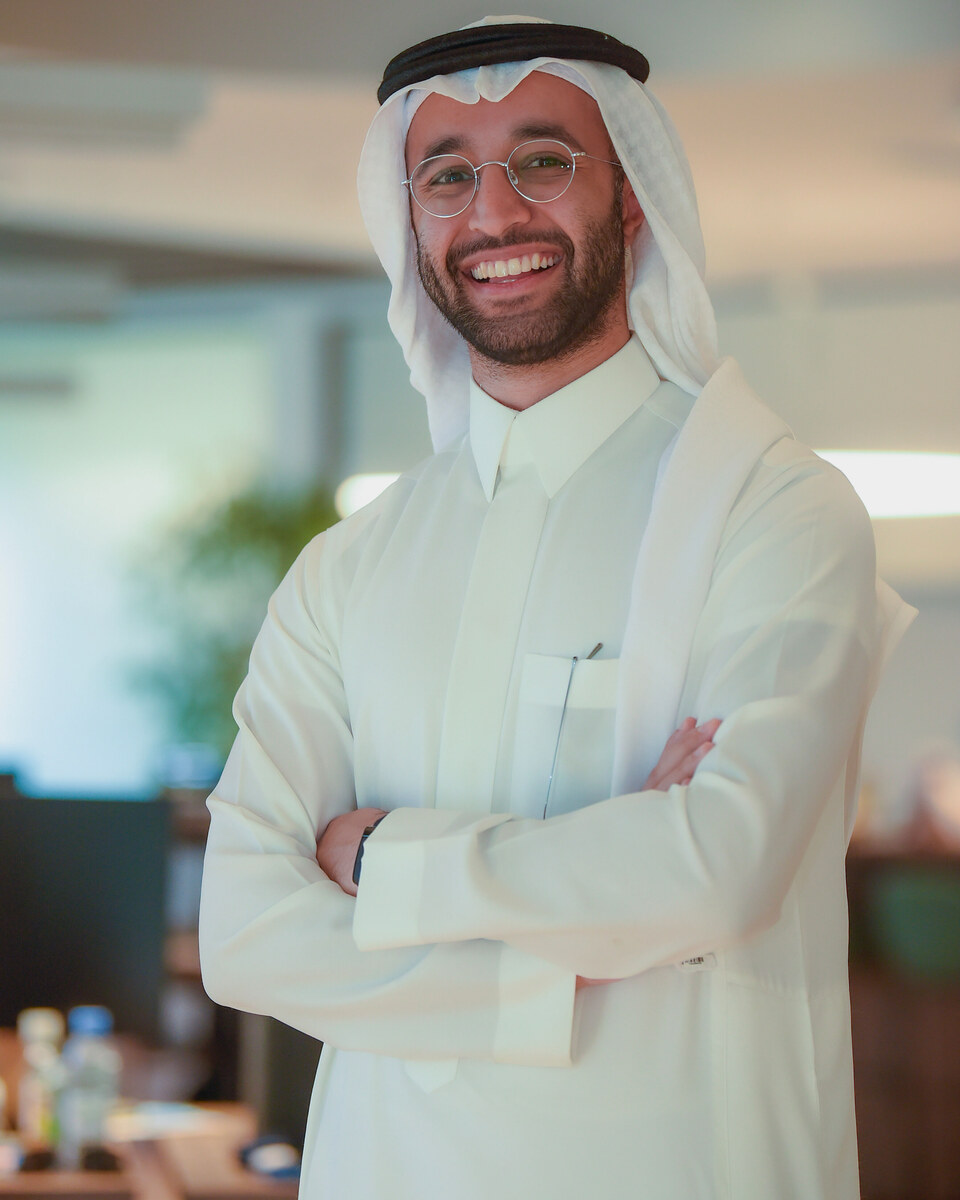
Hisham Al-Falih, CEO of Lean Technologies. Supplied
Al-Falih also shared the significance of seeing team members celebrate their five-year anniversaries. “For a company just over five years old, this is deeply meaningful. It highlights the enduring commitment of the people who helped shape Lean from the beginning and continue to drive its mission forward.”
Operating at the intersection of banks, third-party providers, regulators, and millions of end-users, Lean Technologies faces unique challenges in balancing innovation, compliance, and reliability. “This year was particularly challenging as both Saudi Arabia and the UAE accelerated their Open Banking and Open Finance initiatives,” Al-Falih explained.
In this regulatory landscape, Lean played a key role in helping shape the frameworks while maintaining its commitment to clients and end-users. “It’s been a demanding but rewarding process—one that underscores our responsibility not just as a company, but as a critical enabler for the entire ecosystem,” he added.
Lean’s customer-centric approach has been a defining factor in its success. “What sets Lean apart is our relentless focus on solving the most critical challenges faced by our clients and their end users,” Al-Falih noted.
By embedding itself within clients’ businesses, Lean ensures it understands their needs. “This proximity gives us the clarity to address current challenges while also anticipating future opportunities,” he said.
In the UAE, Lean’s account-to-account payment solutions processed over $2 billion in transaction volumes in 2024, streamlining pay-ins and payouts for major companies like e&, DAMAC, and Careem.
In Saudi Arabia, the company’s data solutions, operating under the Saudi Central Bank’s regulatory sandbox, have been leveraged by companies such as Tawuniya, ALJUF, and Salla, as well as Tabby and Tamara to unlock new use cases in insurance, lending, and marketplaces.
Al-Falih reflected on Lean’s growth, saying: “Surpassing our ambitious growth targets wasn’t just about numbers. It was about demonstrating what’s possible when a team is deeply aligned with the needs of its market and its clients.”
This alignment is rooted in Lean’s culture, which Al-Falih described as “the pursuit of greatness.” He explained: “This mindset drives our culture, and we’ve worked hard to create an environment where people can collaborate with exceptional colleagues, achieve remarkable outcomes, and receive the feedback they need to grow.”
Lean structures its approach through a framework called the “3 Spheres of Influence,” which emphasizes mastery of craft, collaboration, and integrity. “These principles encourage our team members to reflect and grow both individually and as part of the Lean team,” Al-Falih added, noting that this cultural foundation has been instrumental in the company’s success.
Looking ahead to 2025, Lean is well-positioned to capitalize on the rapid advancements in Open Banking in Saudi Arabia and Open Finance in the UAE. “For us, these frameworks represent the culmination of five years of hard work—lobbying, collaborating with regulators, and partnering with banks,” Al-Falih explained.
The company’s focus will be on making these initiatives a reality for the market. “Our priority is to seize the opportunities these frameworks create and help bring the vision of Open Banking and Open Finance to life,” he said.
Beyond regulatory developments, Lean is also exploring new ways to improve financial infrastructure for individuals and SMEs. “Our mission remains clear: to enable the next generation of financial innovation,” Al-Falih said, adding: “With the momentum we’ve built, we’re confident in our ability to continue scaling and delivering impact across the region.”


