Saudi Arabia’s food & beverage sales drive $3.14bn in consumer spending

Despite a slight overall decline of 8.1 percent from the previous week, key sectors, especially dining and food, showed consistent performance. Shutterstock
Short Url
Updated 25 December 2024
Follow

Saudi Arabia’s food & beverage sales drive $3.14bn in consumer spending

  • Restaurants and cafes topped the list with SR1.69 billion in transactions: SAMA data

RIYADH: Saudi Arabia’s consumer spending reached SR11.8 billion ($3.14 billion) in the week of Dec. 15 to Dec. 21, with the food and beverage sectors continuing to lead in sales, official data showed. 

Despite an overall decline of 8.1 percent from the previous week, key sectors, especially dining and food, showed consistent performance, according to data from the Saudi Central Bank, also known as SAMA.  

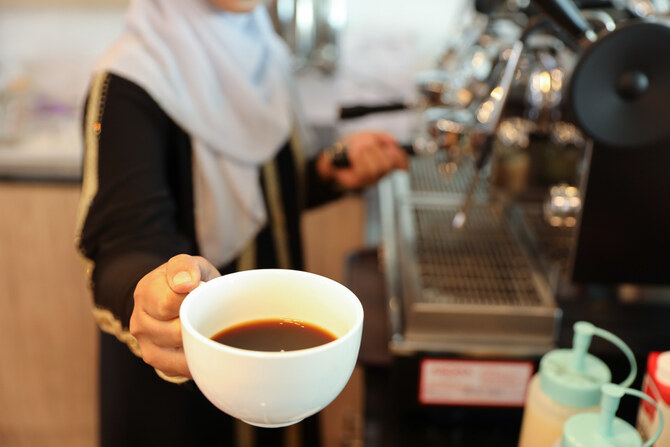
The restaurants and cafes sector topped the list with SR1.69 billion in transactions, despite a 13.9 percent weekly dip. Food and beverage spending followed closely, settling at SR1.69 billion as well, reflecting a 9 percent decrease. These categories, however, maintained their dominance in consumer expenditure. 

The overall decrease in consumer spending is attributed to the timing of salary disbursements, traditionally paid on the 27th of each month, which typically leads to lower spending in the preceding weeks.  

Additionally, the winter holiday season, during which many expatriates travel home, further influenced the dip in domestic spending. 

Other sectors saw more moderate drops. The value of clothing and footwear transactions fell by 5.2 percent to SR864.15 million, while construction and building materials recorded a small 0.9 percent decline, totaling SR355 million.  

The electronics and electric devices sector saw an 8.7 percent weekly decrease in value, while gas stations and health-related sales also experienced declines of 9.4 percent and 7.3 percent, respectively. 

Jewelry sales recorded a 14.4 percent drop in transaction volumes, with a slight 3.9 percent decrease in value. Miscellaneous goods and services saw a 9.1 percent reduction in sales, totaling SR1.4 billion. 

Regional breakdown  

Regionally, Riyadh remained the largest market with a POS value of SR4.2 billion, although this represented a 6 percent decrease compared to the previous week.  

Jeddah saw a 7.5 percent drop to SR1.6 billion, while Dammam recorded a slight 3.6 percent decline to SR617.5 million. 

Among smaller cities, Hail experienced the largest decrease, with spending down 14.8 percent to SR169.6 million, and a 12.2 percent reduction in transaction volumes. Makkah recorded a 4.4 percent decline in value, settling at SR502.8 million, while Tabuk saw a 12.8 percent decrease in transaction value to SR210.4 million. 

Despite the seasonal slowdown, the food and beverage sectors continue to drive the market, maintaining a steady pace as consumer behavior shifts with the winter season. 


Saudi Arabia’s foreign reserves rise to a 6-year high of $475bn

Updated 22 February 2026
Follow

Saudi Arabia’s foreign reserves rise to a 6-year high of $475bn

RIYADH: Saudi Arabia’s foreign reserves climbed 3 percent month on month in January to SR1.78 trillion, up SR58.7 billion ($15.6 billion) from December and marking a six-year high.

On an annual basis, the Saudi Central Bank’s net foreign assets rose by 10 percent, equivalent to SR155.8 billion, according to data from the Saudi Central Bank, Argaam reported.

The reserve assets, a crucial indicator of economic stability and external financial strength, comprise several key components.

According to the central bank, also known as SAMA, the Kingdom’s reserves include foreign securities, foreign currency, and bank deposits, as well as its reserve position at the International Monetary Fund, Special Drawing Rights, and monetary gold.

The rise in reserves underscores the strength and liquidity of the Kingdom’s financial position and aligns with Saudi Arabia’s goal of strengthening its financial safety net as it advances economic diversification under Vision 2030.

The value of foreign currency reserves, which represent approximately 95 percent of the total holdings, increased by about 10 percent during January 2026 compared to the same month in 2025, reaching SR1.68 trillion.

The value of the reserve at the IMF increased by 9 percent to reach SR13.1 billion.

Meanwhile, SDRs rose by 5 percent during the period to reach SR80.5 billion.

The Kingdom’s gold reserves remained stable at SR1.62 billion, the same level it has maintained since January 2008.

Saudi Arabia’s foreign reserve assets saw a monthly rise of 5 percent in November, climbing to SR1.74 trillion, according to the Kingdom’s central bank.

Overall, the continued advancement in reserve assets highlights the strength of Saudi Arabia’s fiscal and monetary buffers. These resources support the national currency, help maintain financial system stability, and enhance the country’s ability to navigate global economic volatility.

The sustained accumulation of foreign reserves is a critical pillar of the Kingdom’s economic stability. It directly reinforces investor confidence in the riyal’s peg to the US dollar, a foundational monetary policy, by providing SAMA with ample resources to defend the currency if needed.

Furthermore, this financial buffer enhances the nation’s sovereign credit profile, lowers national borrowing costs, and provides essential fiscal space to navigate global economic volatility while continuing to fund its ambitious Vision 2030 transformation agenda.