

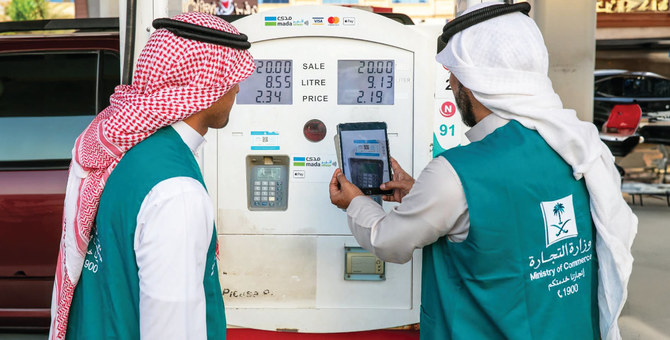

RIYADH: Saudi Arabia’s point of sales spending reached around SR53 billion ($14 billion) in April, registering a 3 percent rise compared to the same month last year, latest data revealed.
Figures from the Saudi Central Bank, also known as SAMA, revealed that 30 percent of the POS spending during this period, totaling SR15.83 billion, was allocated to beverages, food, restaurants, and cafes.
Another 12 percent, or SR6.51 billion, was spent on miscellaneous goods and services, including personal care, supplies, maintenance, and cleaning, with this category showing the second-highest growth rate of 22.5 percent.
Although education spending accounted for only 1 percent of POS sales, it experienced the highest growth rate, surging by 53 percent to reach SR500 million during this period.
When compared to March, which coincided with the holy month of Ramadan and saw POS sales reach a record amount of SR59.7 billion, April experienced an 11 percent decline.
This decrease could be attributed to seasonal fluctuations, with families typically increasing their purchases during Ramadan for Iftar meals and engaging in social activities, such as shopping for groceries and gifts in preparation for festive gatherings and Eid celebrations.
According to a report by Best POS in Saudi Arabia, cloud-based POS systems have become essential in the Kingdom’s rapidly evolving business landscape, revolutionizing restaurant operations and enabling brands to achieve new levels of success.
These systems enhance operational efficiency by streamlining order taking, inventory management, and billing, while also improving customer service through quick order processing and efficient management of table reservations.
The real-time data analysis capabilities of cloud-based POS systems provide valuable insights into sales trends and inventory levels, empowering restaurants to make informed decisions and optimize their offerings, according to the report.
Additionally, integrated payment solutions enhance convenience for customers, and robust data security ensures protection against unauthorized access. Cloud-based POS systems also offer scalability, flexibility, and seamless integration with other business applications, helping restaurants adapt to market dynamics and maintain a competitive edge.
As Saudi Arabia embraces digital transformation, these systems are pivotal for restaurants aiming to unlock their full potential and secure a prosperous future, the report added.
In another report, Best POS in Saudi Arabia shed light on the evolution of the Kingdom’s Food & Beverage industry, noting its rapid transformation driven by emerging consumer trends.
Health and wellness have emerged as key priorities, fueling demand for organic, plant-based, and dietary-specific options like gluten-free and vegan choices.
Simultaneously, technology integration is reshaping the industry landscape, with online food delivery platforms, digital menus, self-service kiosks, and mobile applications enhancing operational efficiency.
The report also highlights the emergence of fusion cuisine, blending traditional Saudi flavors with international influences to create innovative dishes.
Sustainability is gaining traction, evidenced by initiatives to reduce food waste, adopt eco-friendly packaging, and support local producers. Moreover, interactive dining experiences are in high demand, offering immersive environments, live cooking stations, and themed events for memorable dining experiences.
Additionally, there is a growing appreciation for specialty coffee culture, underscoring the industry’s commitment to innovation, diversity, and delivering exceptional culinary experiences. These trends collectively signify the industry’s forward-thinking approach and its role in shaping the future of dining in Saudi Arabia.
Based on SAMA data, Riyadh led in POS sales distribution with 32 percent, reaching about SR17 billion, followed by Jeddah, which accounted for 14 percent, totaling SR7.7 billion.
Due to its status as the capital and largest city of Saudi Arabia, serving as a major economic hub, Riyadh hosts a significant concentration of businesses, government offices, and retail establishments, attracting a large population and high consumer spending. Additionally, Riyadh’s diverse and affluent population contributes to robust retail activity, making it a leading city in POS sales.


