Pakistan telecom regulator says no VPNs blocked, deadline for ban not yet finalized 

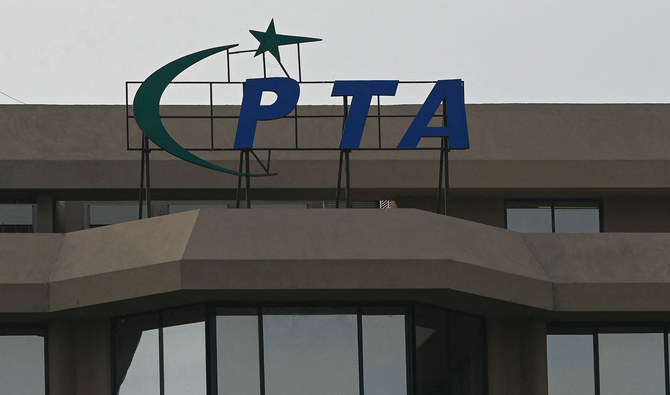
The logo of the Pakistan Telecommunication Authority is pictured on the building facade at its headquarters in Islamabad on June 24, 2023. (AFP/File)
Short Url
Updated 16 December 2024
Follow

Pakistan telecom regulator says no VPNs blocked, deadline for ban not yet finalized 

  • PTA chairman says over 31,000 VPNS registered with the authority as government has been cracking down on VPN use for weeks
  • Social media platform X has been blocked since February and the government is also moving to implement a national firewall

ISLAMABAD: The Chairman of the Pakistan Telecommunication Authority (PTA) said on Monday no Virtual Private Networks (VPNs) had been blocked in the country and neither had a deadline been finalized for such an action, adding that over 31,000 VPNs had officially registered with the authority in recent weeks. 

The government has been cracking down on VPN use for weeks, with the PTA announcing that businesses and freelancers would be able to legally use VPNs by registering with the government, but unregistered VPNs would be blocked in Pakistan after Nov. 30. The deadline was later withdrawn, and a new one has not been announced. 

Authorities say the measures are meant to deter militants and other suspects who use VPNs to conceal their identities and spread “anti-state propaganda” and promote “blasphemous” or other illegal content online. The government is also moving to implement a nationwide firewall to block malicious content, protect government networks from attacks, and allow the government to identify IP addresses associated with what it calls “anti-state propaganda” and terror attacks.

Digital rights activists, however, say the government’s move against VPNs is an attempt to block vital tools that allow users to bypass restrictions amid a wave of digital crackdowns. The use of VPNs has sharply risen in Pakistan since February this year when the government banned X soon after allegations of rigging in general elections surfaced. The election commission denies them. 

“No VPN has been blocked in the country so far,” PTA Chairman Major General (R) Hafeez Ur Rehman told Arab News on the sidelines of an event marking the launch of the authority’s annual performance report.

“No deadline has been set so far to block VPNs and we are working with the government to develop a solution that minimizes inconvenience to the public but nothing has been finalized yet,” he added, saying over 31,000 VPNs had been registered with the authority so far.

Rehman said the PTA had set up a dedicated help desk for IT companies and freelancers to facilitate VPN registration and other matters. All registration applications were processed within eight hours. 

“When Internet shutdowns occur, they can approach us to get whitelisted, ensuring that their connectivity remains unaffected,” Rehman said. 

“Once whitelisted, their Internet will continue to function even during government-imposed closures due to security threats or other reasons. This helps ensure that any closure of Internet due to national security measures do not disrupt their business operations as their Internet will keep working.”

Regarding frequent Internet closures, the official said the question should be addressed to the government as the PTA was implementing official orders. 

In August, the Pakistan Business Council (PBC) warned that frequent Internet disruptions and low speeds caused by poor implementation of the national firewall had led many multinational companies to consider relocating their offices out of Pakistan, with some having “already done so.” 

The Pakistan Software Houses Association (P@SHA), the country’s top representative body for the IT sector, warned last month Internet slowdowns and the restriction of VPN services could lead to financial losses and closures and increase operational costs for the industry by up to $150 million annually.

Pakistan’s IT and ITeS exports have been growing at an average of 30 percent per year, and are on the way to achieve over $15 billion in the next 5 years, according to industry data, provided the government ensures continuity in export, fiscal, financial, SME, infrastructure and IT policies, P@SHA says.
IMF warns against policy slippage amid weak recovery as it clears $1.2 billion for Pakistan

Updated 11 December 2025
Follow

IMF warns against policy slippage amid weak recovery as it clears $1.2 billion for Pakistan

  • Pakistan rebuilt reserves, cut its deficit and slowed inflation sharply over the past one year
  • Fund says climate shocks, energy debt, stalled reforms threaten stability despite recent gains

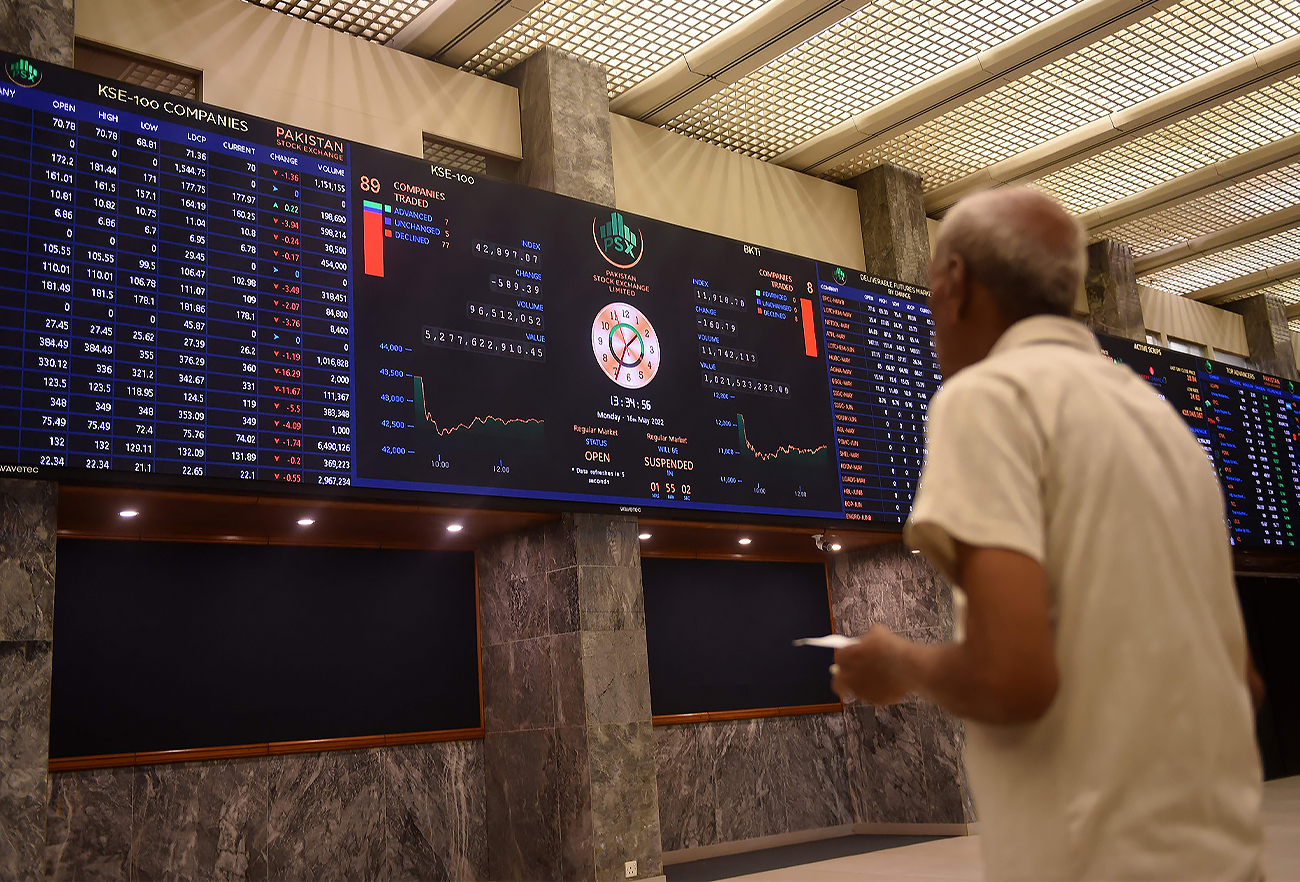
ISLAMABAD: Pakistan’s economic recovery remains fragile despite a year of painful stabilization measures that helped pull the country back from the brink of default, the International Monetary Fund (IMF) warned on Thursday, after it approved a fresh $1.2 billion disbursement under its ongoing loan program.

The approval covers the second review of Pakistan’s Extended Fund Facility (EFF) and the first review of its climate-focused Resilience and Sustainability Facility (RSF), bringing total disbursements since last year to about $3.3 billion.

Pakistan entered the IMF program in September 2024 after years of weak revenues, soaring fiscal deficits, import controls, currency depletion and repeated climate shocks left the economy close to external default. A smaller stopgap arrangement earlier that year helped avert immediate default, but the current 37-month program was designed to restore macroeconomic stability through strict monetary tightening, currency adjustments, subsidy rationalization and aggressive revenue measures.

The IMF’s new review shows that Pakistan has delivered significant gains since then. Growth recovered to 3 percent last year after shrinking the year before. Inflation fell from over 23 percent to low single digits before rising again after this year’s floods. The current account posted its first surplus in 14 years, helped by stronger remittances and a sharp reduction in imports. And the government delivered a primary budget surplus of 1.3 percent of GDP, a key program requirement. Foreign exchange reserves, which had dropped dangerously low in 2023, rose from US$9.4 billion to US$14.5 billion by June.

“Pakistan’s reform implementation under the EFF arrangement has helped preserve macroeconomic stability in the face of several recent shocks,” IMF Deputy Managing Director Nigel Clarke said in a statement after the Board meeting.

But he warned that Islamabad must “maintain prudent policies” and accelerate reforms needed for private-sector-led and sustainable growth.

The Fund noted that the 2025 monsoon floods, affecting nearly seven million people, damaging housing, livestock and key crops, and displacing more than four million, have set back the recovery. The IMF now expects GDP growth in FY26 to be slightly lower and forecasts inflation to rise to 8–10 percent in the coming months as food prices adjust.

The review warns Pakistan against relaxing monetary or fiscal discipline prematurely. It urges the State Bank to keep policy “appropriately tight,” allow exchange-rate flexibility and improve communication. Islamabad must also continue raising revenues, broadening the tax base and protecting social spending, the Fund said.

Despite the progress, Pakistan’s structural weaknesses remain severe.

Power-sector circular debt stands at about $5.7 billion, and gas-sector arrears have climbed to $11.3 billion despite tariff adjustments. Reform of state-owned enterprises has slowed, including delays in privatizing loss-making electricity distributors and Pakistan International Airlines. Key governance and anti-corruption reforms have also been pushed back.

The IMF welcomed Pakistan’s expansion of its flagship Benazir Income Support Program, which raises cash transfers for low-income families and expands coverage, saying social protection is essential as climate shocks intensify. But it warned that high public debt, about 72 percent of GDP, thin external buffers and climate exposure leave the country vulnerable if reform momentum weakens.

The Fund said Pakistan’s challenge now is to convert short-term stabilization into sustained recovery after years of economic volatility, with its ability to maintain discipline, rather than the size of external financing alone, determining the durability of its gains.