

Riyadh exhibition to trace the origins of Saudi modern art

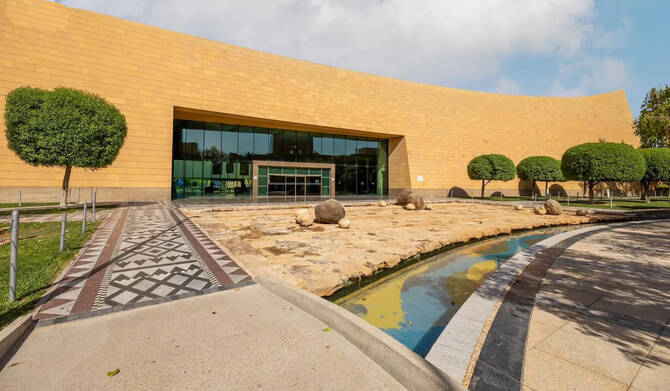
The exhibition will take place at the National Museum of Saudi Arabia. (SPA)
Short Url
Updated 07 January 2026
Follow

Riyadh exhibition to trace the origins of Saudi modern art

  • Features painting, sculpture and archival documents
  • Open from Jan. 27-April 11 at Saudi national museum

DUBAI: A new exhibition in Riyadh is focusing on the origins of Saudi Arabia’s modern art scene, examining how a generation of artists helped shape the Kingdom’s visual culture during a period of rapid change.

The “Bedayat: Beginnings of Saudi Art Movement” show reportedly traces the emergence of creative practices in Saudi Arabia from the 1960s to the 1980s, an era that laid the groundwork for today’s art ecosystem.

On view from Jan. 27 until April 11 at the National Museum of Saudi Arabia, it includes works and archival material that document the early years of modern and abstract art in the Kingdom, according to the organizers.

It will examine how artists responded to shifting social, cultural and economic realities, often working with limited infrastructure but a strong sense of purpose and experimentation.

The exhibition is the result of extensive research led by the Visual Arts Commission, which included dozens of site visits and interviews with artists and figures active during the period.

These firsthand accounts have helped to reconstruct a time when formal exhibition spaces were scarce, art education was still developing, and artists relied heavily on personal initiative to build communities and platforms for their work.

Curated by Qaswra Hafez, “Bedayat” will feature painting, sculpture, works on paper and archival documents, many of which will be shown publicly for the first time.

The works will reveal how Saudi artists engaged with international modernist movements while grounding their practice in local heritage, developing visual languages that spoke to both global influences and lived experience.

The exhibition will have three sections, beginning with the foundations of the modern art movement, and followed by a broader look at the artistic concerns of the time.

It will conclude with a focus on four key figures: Mohammed Al-Saleem, Safeya Binzagr, Mounirah Mosly and Abdulhalim Radwi.

A publication, documentary film and public program of talks and workshops will accompany the exhibition, offering further insight into a pivotal chapter of Saudi art history and the artists who helped define it.


Producer Zainab Azizi hopes ‘Send Help’ will be a conversation starter

Updated 31 January 2026
Follow

Producer Zainab Azizi hopes ‘Send Help’ will be a conversation starter

DUBAI: Afghan American film producer Zainab Azizi cannot wait for audiences to experience Sam Raimi’s new horror comedy “Send Help.”

In an interview with Arab News, the president at Raimi Productions kept returning throughout her interview to one central theme: the communal thrill of horror.

“I started watching horror from the age of six years old. So, it’s kind of ingrained in my brain to love it so much,” she said, before describing the formative ritual that still shapes her work: “What I loved about that was the experience of it, us cousins watching it with the lights off, holding hands, and just having a great time. And you know, as an adult, we experience that in the theater as well.”

Asked why she loves producing, Azizi was candid about the mix of creativity and competition that drives her. “I’m very competitive. So, my favorite part is getting the film sold,” she said. “I love developing stories and characters, and script, and my creative side gets really excited about that part, but what I get most excited about is when I bring it out to the marketplace, and then it becomes a bidding war, and that, to me, is when I know I’ve hit a home run.”

Azizi traced the origins of “Send Help” to a 2019 meeting with its writers. “In 2019 I met with the writers, Mark and Damien. I was a fan of their works. I’ve read many of their scripts and watched their films, and we hit it off, and we knew we wanted to make a movie together,” she said.

From their collaboration emerged a pitch built around “the story of Linda Little,” which they developed into “a full feature length pitch,” and then brought to Raimi. “We brought it to Sam Raimi to produce, and he loved it so much that he attached to direct it.”

On working with Raimi, Azizi praised his influence and the dynamic they share. “He is such a creative genius. So, it’s been an incredible mentorship. I learned so much from him,” she said, adding that their collaboration felt balanced: “We balance each other really well, because I have a lot of experience in packaging films and finding filmmakers, so I have a lot of freedom in the types of projects that I get to make.”

When asked what she hopes audiences will take from “Send Help,” Azizi returned to the communal aftermath that first drew her to horror: “I love the experience, the theatrical experience. I think when people watch the film, they take away so many different things. ... what I love from my experience on this film is, especially during test screenings, is after the film ... people are still thinking about it. Everybody has different opinions and outlooks on it. And I love that conversation piece of the film.”