



BAKU, Azerbaijan: The 2024 United Nations Climate Change Conference concluded in the capital of Azerbaijan on Friday with climate activists, world leaders and investors reflecting on climate change’s global impacts and the urgent need for actionable solutions.
This year’s event emphasized financing mechanisms, particularly to alleviate the suffering of vulnerable nations, and especially the developing countries most affected by climate change.

COP29 — the 29th Conference of the Parties under the United Nations climate organization UNFCCC — ran from Nov. 11 to 22 and brought together policymakers, researchers, and environmentalists from 200 countries.
A dominant theme was energy transition, as fossil fuel emissions remain the biggest driver of global warming.
The UN reports that burning coal, oil, and gas accounts for more than 75 percent of global greenhouse gas emissions and roughly 90 percent of all carbon dioxide emissions.
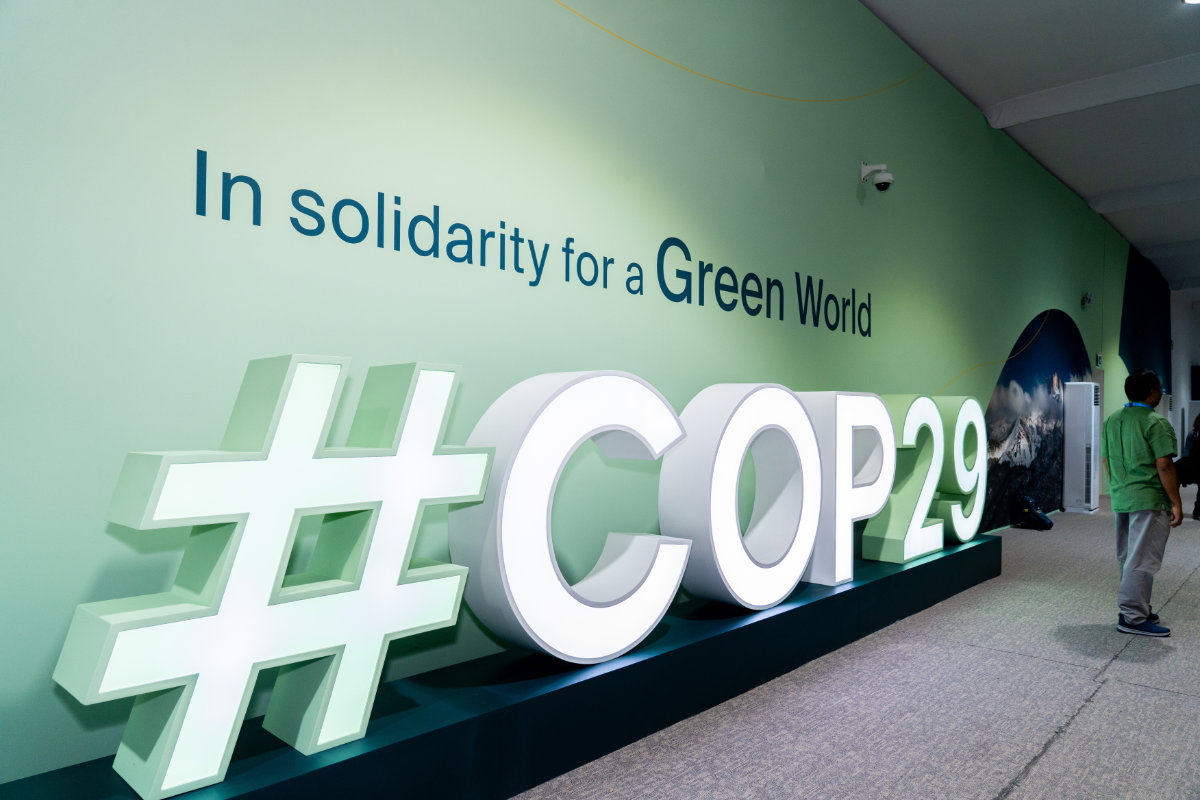
“War creates a climate crisis not just where it happens; it pollutes air, water, and land,” said one of the participants at COP 29. (AN photo by Abdulrahman bin Shalhoub)
Policymakers argued that reducing reliance on traditional fuels and adopting modern energy solutions could significantly shrink the global carbon footprint and bring the world closer to net-zero targets.
The University of Exeter’s Global Carbon Budget recently projected total CO2 emissions to rise from 40.6 billion metric tons in 2023 to 41.6 billion in 2024.
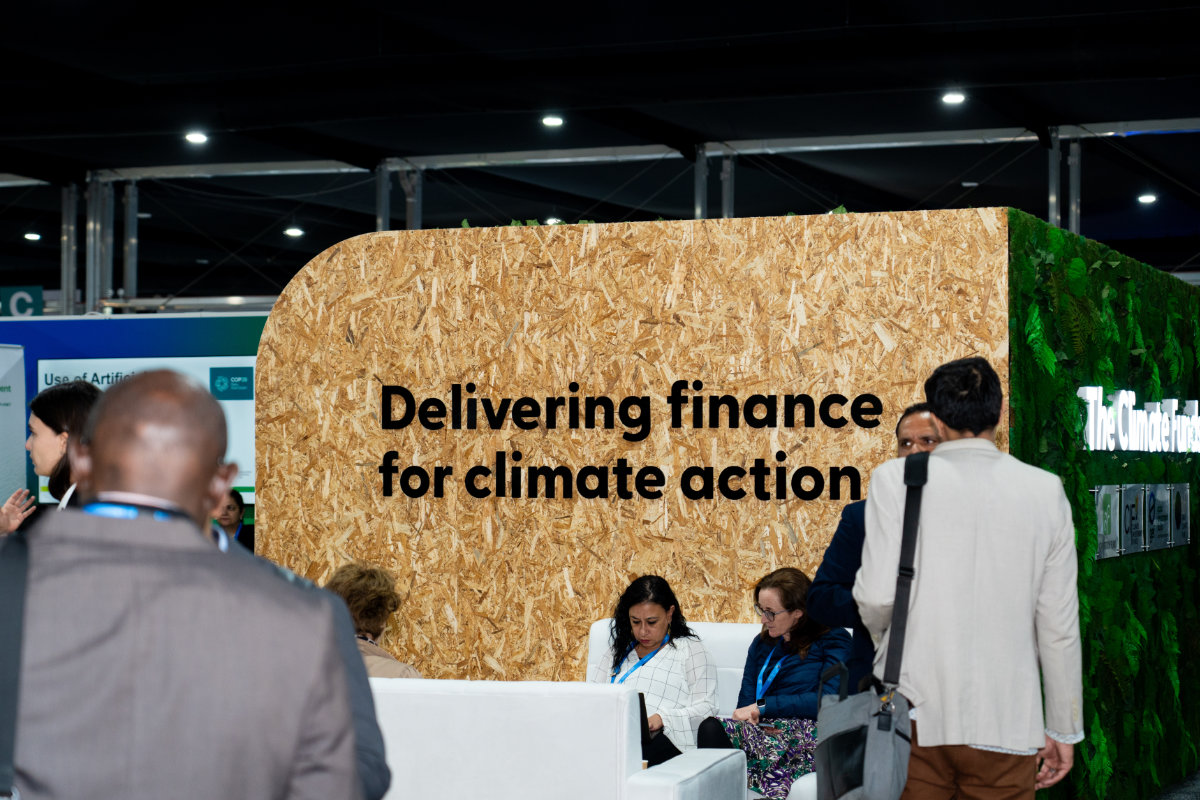
COP29 has been called "the finance COP," referring to the significance of funding to put an end to the rapid increase of global temperatures. (AN photo by Abdulrahman bin Shalhoub)
Sharing his perspective on the COP29 negotiations and the change he hopes to see, climate activist Philip McMaster, known on social media as SustainaClaus, told Arab News he is campaigning for a a healthier environment for children.
“The message of SustainaClaus is ‘Make childhood great again.’ Why? Because we all had a childhood before,” he said on the sidelines of the conference. “It was either great or not, but it was a very important period of time, and that is what these negotiations should be about: how we make the world a better place for the next generations.”
He added: “I hope to see global change.”
DID YOUKNOW?
• In the first week of COP29, as a step to foster sustainable energy, Saudi Arabia signed an executive program with Azerbaijan, Uzbekistan, and Kazakhstan to strengthen collaboration on renewable energy development.
• The COP29 agenda included energy transition, finance, urbanization and Article 6.
• Climate finance was the main topic discussed in Baku, along with the need to raise funds for vulnerable nations.
Military activity also emerged as a significant environmental threat. Olga Iermak, communications lead at Greencubator, a Ukraine-based cleantech accelerator, noted the ecological devastation caused by war.
“War creates a climate crisis not just where it happens; it pollutes air, water, and land,” she said.
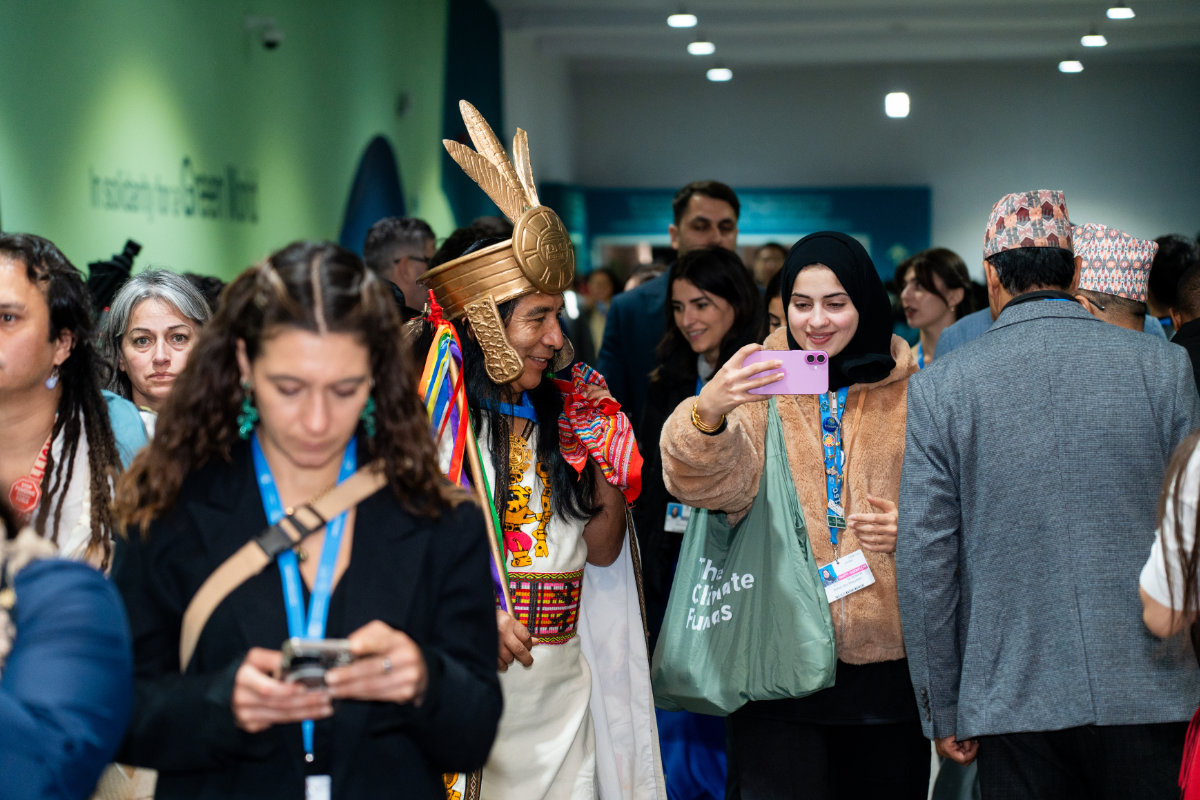
Harmony among people is a top priority to maintain a healthier environment, according to some activists. (AN photo by Abdulrahman bin Shalhoub)
Ukraine accounts for 35 percent of Europe’s biodiversity, including 70,000 plant and animal species, according to the World Wide Fund for Nature. Among its endangered animals are the sandy blind mole-rat, the Russian desman, and the saker falcon.
The country’s ongoing conflict with Russia has caused significant damage to that biodiversity, according to Lermak.
“I hope that the negotiations held here bring great solutions, something that will help us to move forward,” she said. “I hope it is not just conversations, not just talking, but real action after this.”
Opinion
This section contains relevant reference points, placed in (Opinion field)
Another key issue debated at COP29 was loss and damage funding — addressing “unavoided” damage caused by climate change in the most vulnerable countries as well as “unavoidable” damage such as that caused by rising sea levels. Investment in emissions reduction was one of the key solutions put forward for dealing with unavoided damage.
Researchers from the International Institute for Applied Systems Analysis and the Euro-Mediterranean Center on Climate Change estimate that the loss and damage needs of vulnerable countries will amount to between $130 billion and $940 billion in 2025 alone.
Gloria Bulus, team lead at Nigeria’s Bridge that Gap Initiative, emphasized that beyond highlighting loss and damage, there must also be a focus on delivering investment and implementing concrete solutions.
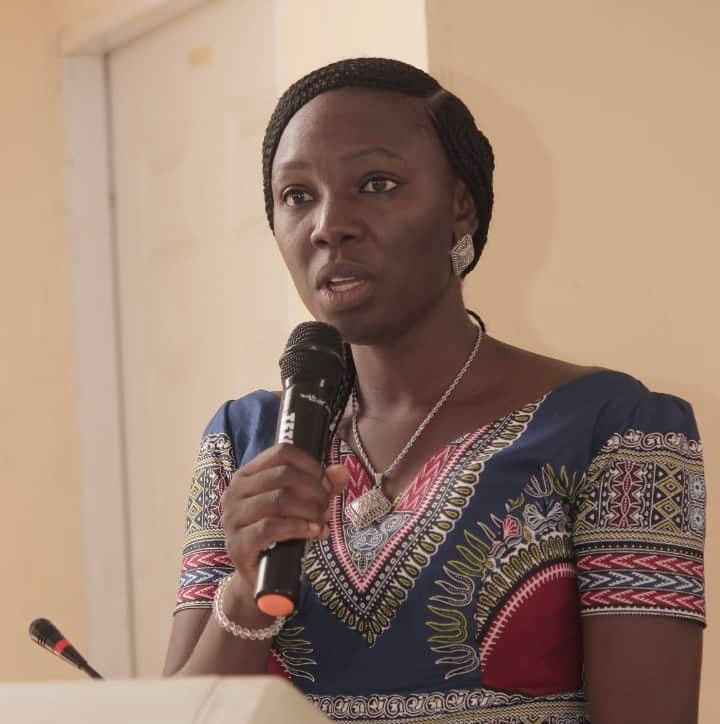
Gloria Bulus, team lead at Nigeria’s Bridge that Gap Initiative. ( AN photo by Abdulrahman bin Shalhoub)
“We are expecting a lot to be (invested) in terms of the loss and damage, so that it goes beyond the speeches,” she said.
Highlighting some of the pressing environmental challenges her country is facing, Bulus expressed her hope for “fair” negotiations.
“Negotiations have been very slow for us,” she said. “What we want is action. What we want is an outcome that favors people, where we have renewable energy transition.”
Among other steps, COP29 promised to secure “the highest ambition outcome possible,” proposing that wealthier countries contribute $250 billion annually to developing nations to support their efforts in tackling climate change.


