



WASHINGTON: US President-elect Donald Trump is building his administration team ahead of retaking the White House in January, handing top roles to his closest allies.
While many of his cabinet nominations require approval by the Senate, Trump is trying to bypass that oversight by forcing through so-called recess appointments.
Here are the key people nominated by Trump for positions in his incoming administration:

Billionaire Elon Musk has been named to lead a new “Department of Government Efficiency,” targeting $2 trillion in cuts from the federal government’s $7 trillion budget, according to the businessman — although no one has explained how such drastic cuts would be made.
The world’s richest man has pledged to bring his “hardcore” management style to Washington while promising “fair and humane” transitions for sacked federal workers.
Trump said that another wealthy ally, Vivek Ramaswamy, would co-lead the new department.
Marco Rubio, secretary of state
Trump named Florida Sen. Marco Rubio to be secretary of state, making a former sharp critic his choice to be the new administration’s top diplomat.
Rubio, 53, is a noted hawk on China, Cuba and Iran, and was a finalist to be Trump’s running mate on the Republican ticket last summer. Rubio is the vice chairman of the Senate Intelligence Committee and a member of the Senate Foreign Relations Committee.
“He will be a strong Advocate for our Nation, a true friend to our Allies, and a fearless Warrior who will never back down to our adversaries,” Trump said of Rubio in a statement.
The announcement punctuates the hard pivot Rubio has made with Trump, whom the senator called a “con man” during his unsuccessful campaign for the 2016 GOP presidential nomination.
Their relationship improved dramatically while Trump was in the White House. And as Trump campaigned for the presidency a third time, Rubio cheered his proposals. For instance, Rubio, who more than a decade ago helped craft immigration legislation that included a path to citizenship for people in the US illegally, now supports Trump’s plan to use the US military for mass deportations.
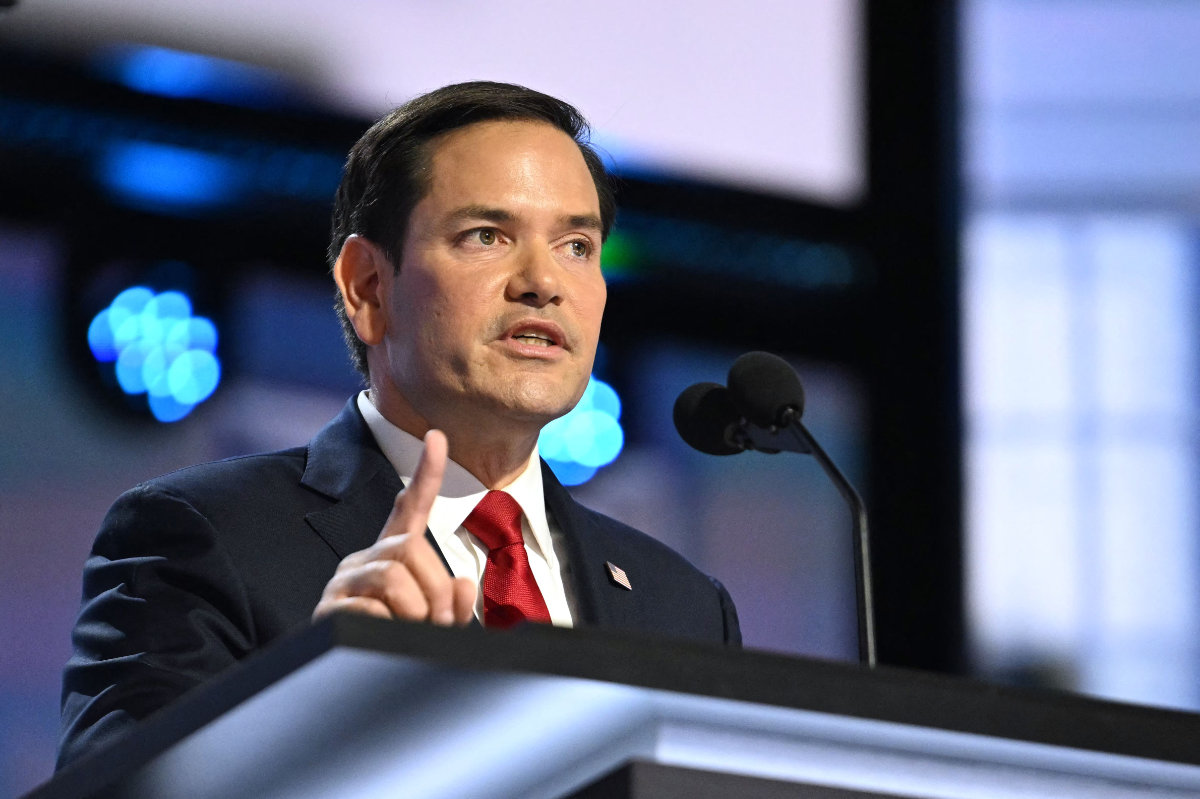
Florida Senator Marco Rubio, Trump's choice as his top diplomat, called Trump a “con man” during his unsuccessful campaign for the 2016 GOP presidential nomination. (AFP/File photo)
Matt Gaetz, attorney general
Trump said Wednesday he will nominate Florida Rep. Matt Gaetz to serve as his attorney general, naming a loyalist in the role of the nation’s top prosecutor.
In selecting Gaetz, 42, Trump passed over some of the more established lawyers whose names had been mentioned as being contenders for the job.
“Matt will end Weaponized Government, protect our Borders, dismantle Criminal Organizations and Restore Americans’ badly-shattered Faith and Confidence in the Justice Department,” Trump said in a statement.
Gaetz resigned from Congress Wednesday night. The House Ethics Committee has been investigating an allegation that Gaetz paid for sex with a 17-year-old, though that probe effectively ended when he resigned. Gaetz has denied any wrongdoing.
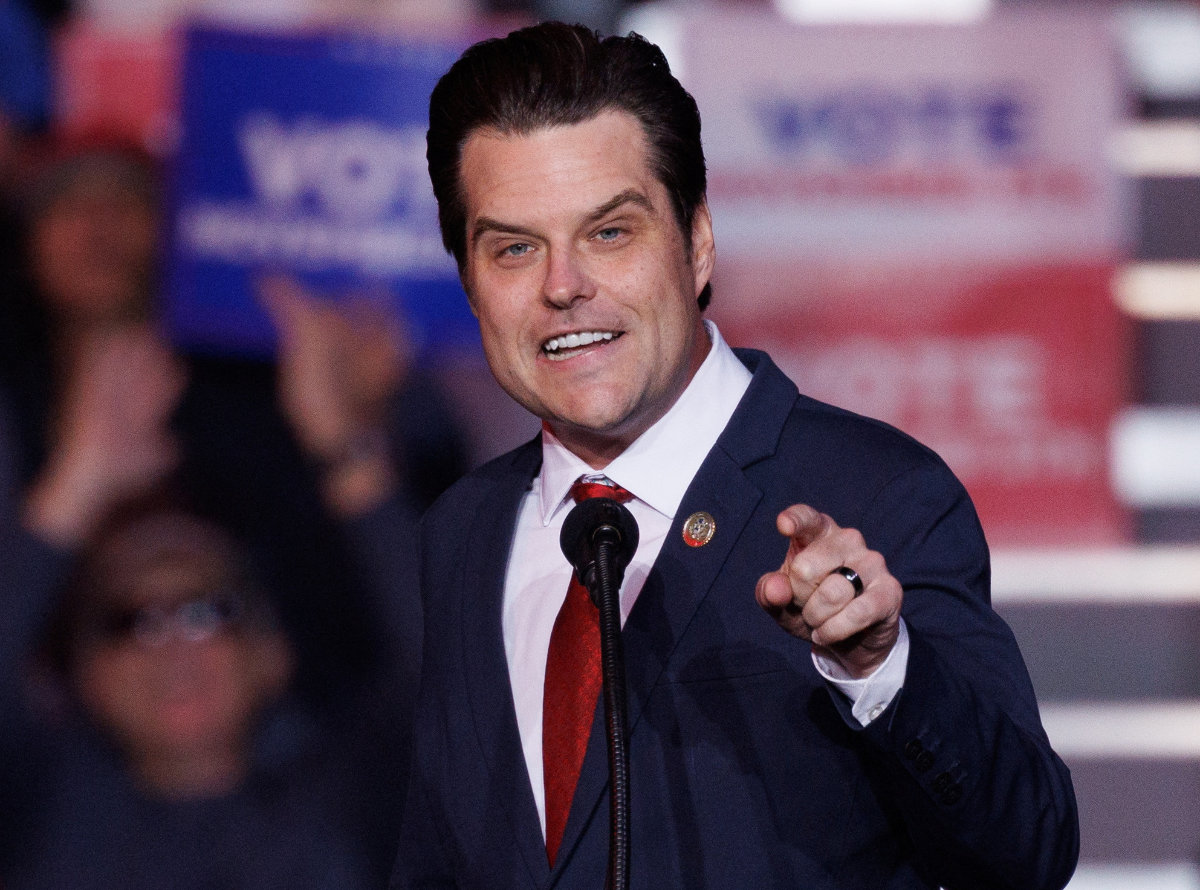
Florida Rep. Matt Gaetz will head the department, which for years has carried out an investigation into sex trafficking and obstruction of justice allegations involving him. (Reuters photo)
Pete Hegseth, secretary of defense
Hegseth, 44, is a co-host of Fox News Channel’s “Fox & Friends Weekend” and has been a contributor with the network since 2014, where he developed a friendship with Trump, who made regular appearances on the show.
Hegseth is a US Army veteran but lacks senior military and national security experience. If confirmed by the Senate, he would inherit the top job during a series of global crises — ranging from Russia’s war in Ukraine and the ongoing attacks in the Middle East by Iranian proxies to the push for a ceasefire between Israel, Hamas and Hezbollah and escalating worries about the growing alliance between Russia and North Korea.
Hegseth is also the author of “The War on Warriors: Behind the Betrayal of the Men Who Keep Us Free,” published earlier this year.
Trump has said that “with Pete at the helm, America’s enemies are on notice.”
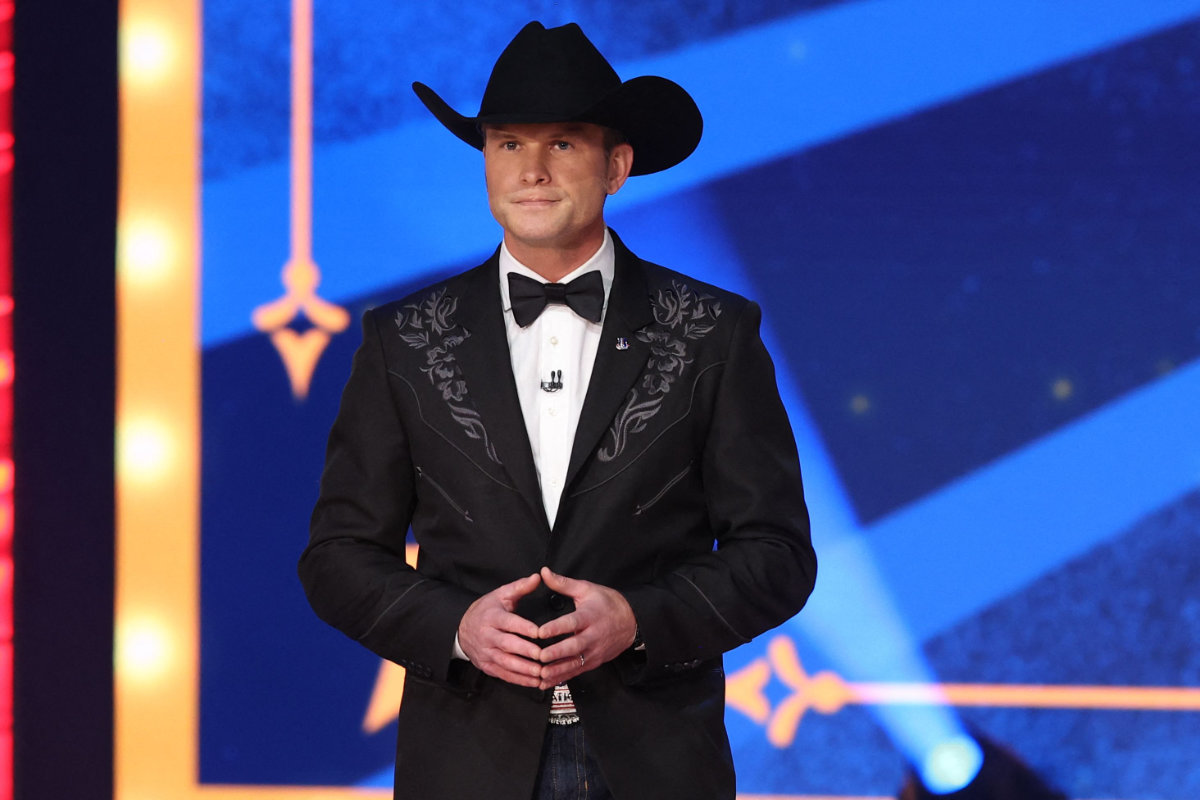
Host Pete Hegseth speaks onstage during the 2023 FOX Nation Patriot Awards at The Grand Ole Opry on November 16, 2023 in Nashville, Tennessee. (AFP/File Photo)
Tulsi Gabbard, director of national intelligence
Former Hawaii Rep. Tulsi Gabbard has been tapped by Trump to be director of national intelligence, keeping with the trend to stock his Cabinet with loyal personalities rather than veteran professionals in their requisite fields.
Gabbard, 43, was a Democratic House member who unsuccessfully sought the party’s 2020 presidential nomination before leaving the party in 2022. She endorsed Trump in August and campaigned often with him this fall.
“I know Tulsi will bring the fearless spirit that has defined her illustrious career to our Intelligence Community,” Trump said in a statement.
Gabbard, who has served in the Army National Guard for more than two decades, deploying to Iraq and Kuwait, would come to the role as somewhat of an outsider compared to her predecessor. The current director, Avril Haines, was confirmed by the Senate in 2021 following several years in a number of top national security and intelligence positions.
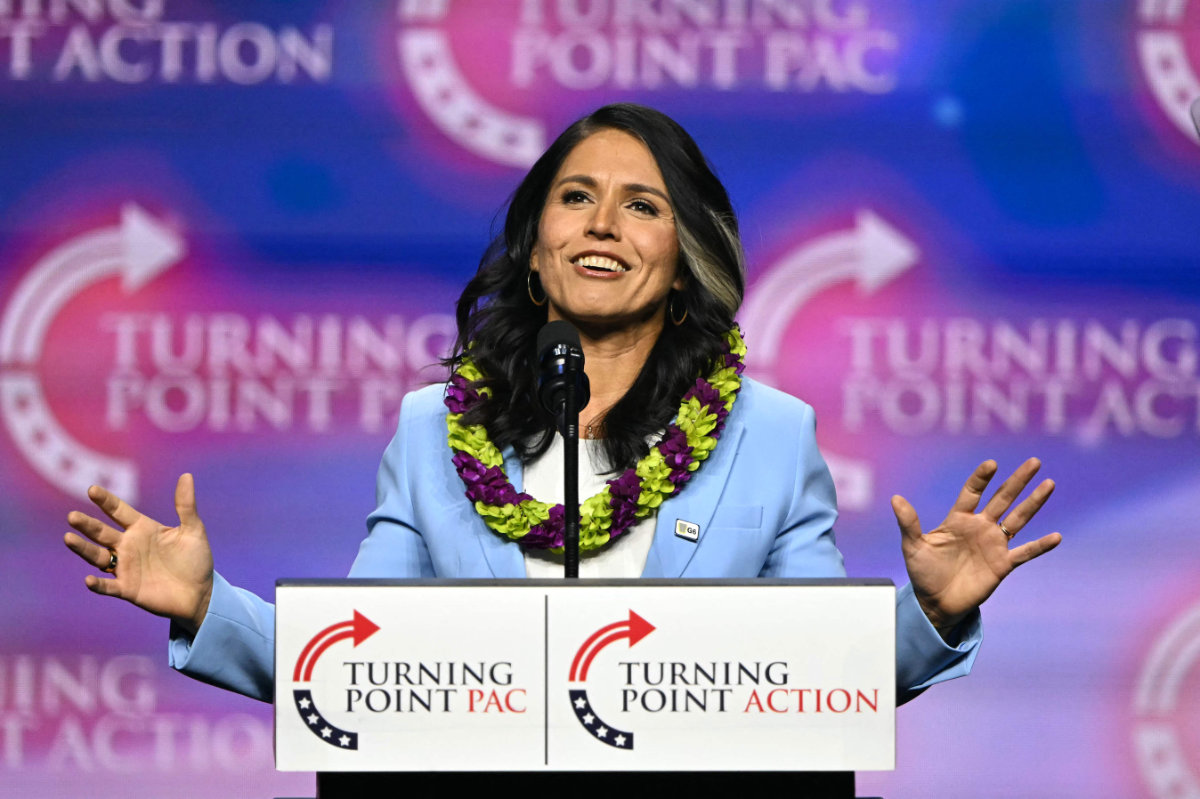
Former Hawaii Rep. Tulsi Gabbard, a former Army National Guard officer who saw service in Iraq and Kuwait, left the Democratic Party after an unsuccessful bid for the party's 2020 presidential nomination. (AFP photo)
Kristi Noem, secretary of homeland security
Longtime Trump loyalist and South Dakota Governor Kristi Noem was selected to head the Department of Homeland Security, a key role in any Trump plan to restrict immigration or deport undocumented migrants en masse as he has promised. In addition to key immigration agencies, the department oversees natural disaster response, the US Secret Service and Transportation Security Administration agents who work at airports.
In her memoir, Noem recounted having shot dead an “untrainable” pet dog after a hunting excursion gone awry. The 52-year-old has said her action showed she was able to make tough choices.
Noem used her two terms leading a tiny state to vault to a prominent position in Republican politics.
South Dakota is usually a political afterthought. But during the COVID-19 pandemic, Noem did not order restrictions that other states had issued and instead declared her state “open for business.” Trump held a fireworks rally at Mount Rushmore in July 2020 in one of the first large gatherings of the pandemic.
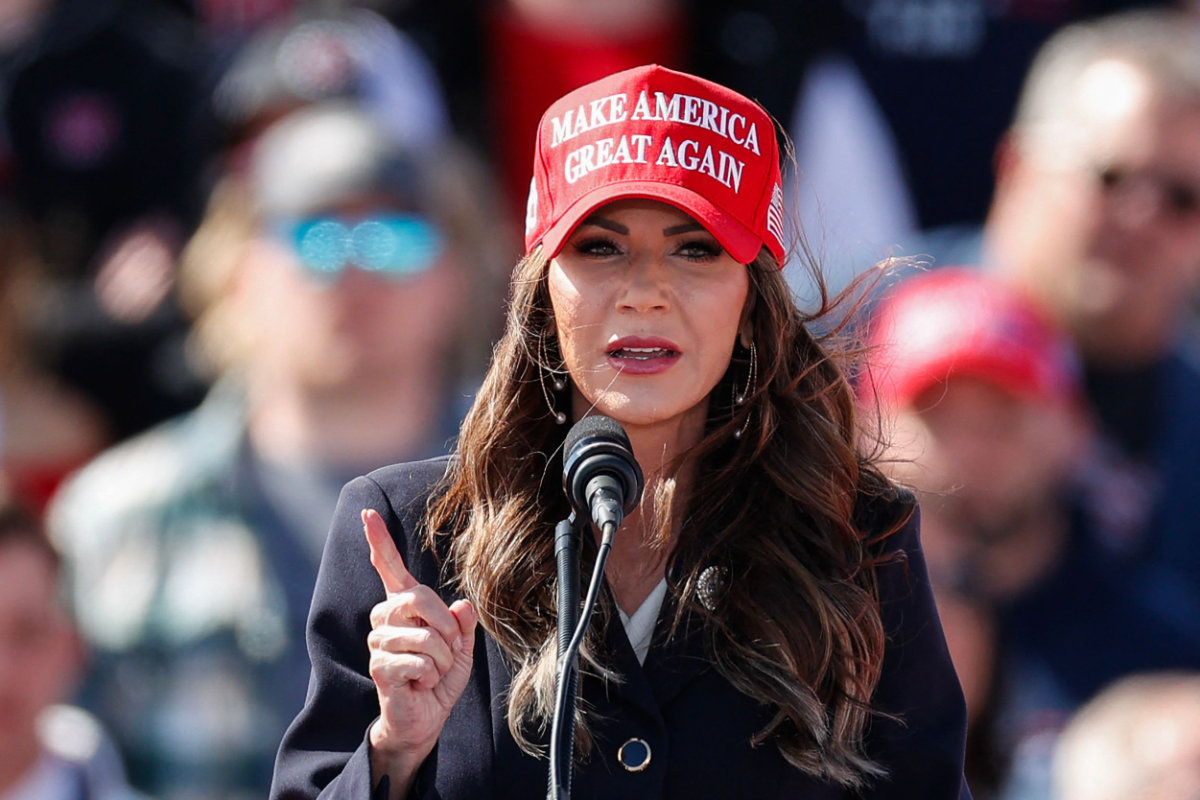
South Dakota Governor Kristi Noem is set to lead an agency crucial to the president-elect’s hard-line immigration agenda. (AFP)
Elize Stefanik, United Nations ambassador
Stefanik is a representative from New York and one of Trump’s staunchest defenders going back to his first impeachment.
Elected to the House in 2014, Stefanik was selected by her GOP House colleagues as House Republican Conference chair in 2021, when former Wyoming Rep. Liz Cheney was removed from the post after publicly criticizing Trump for falsely claiming he won the 2020 election. Stefanik, 40, has served in that role ever since as the third-ranking member of House leadership.
Stefanik’s questioning of university presidents over antisemitism on their campuses helped lead to two of those presidents resigning, further raising her national profile.
If confirmed, she would represent American interests at the UN as Trump vows to end the war waged by Russia against Ukraine that began in 2022.
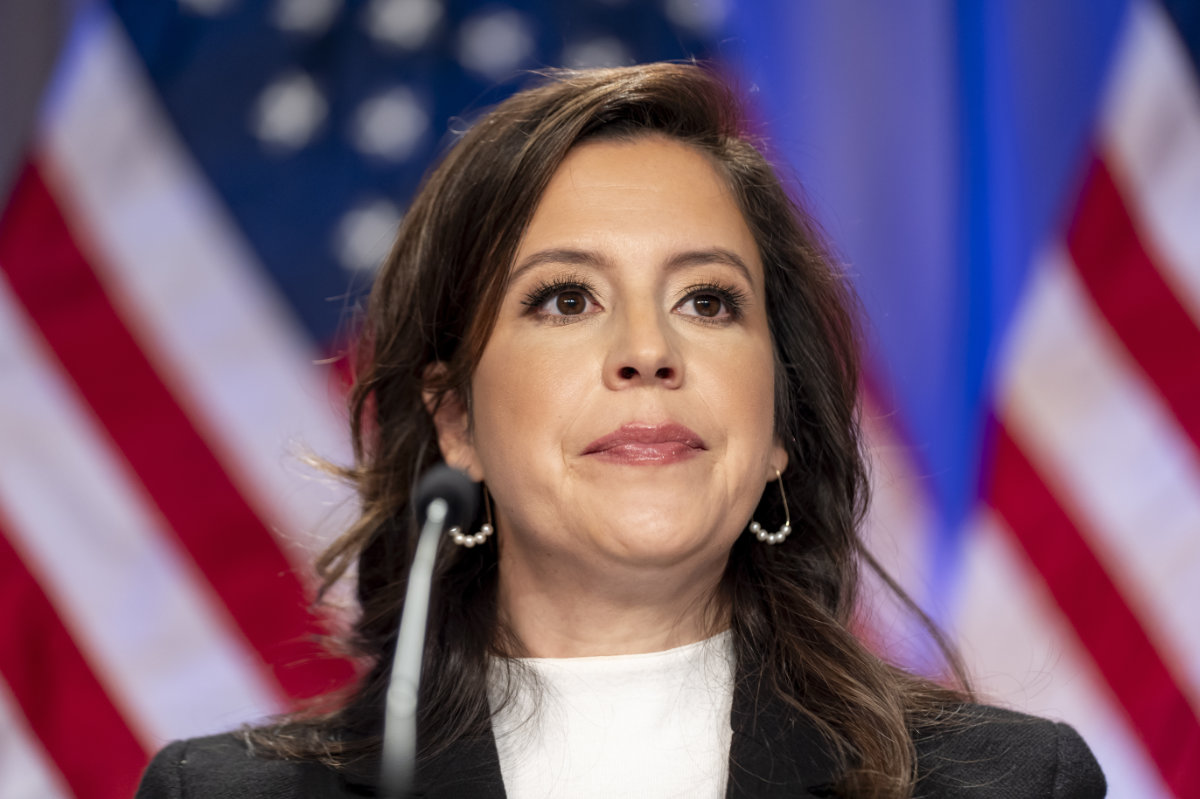
Elise Stefanik will represent the Trump administration at the UN as the world body grapples with the war in Ukraine as well as Israel’s bombardments of Gaza and Lebanon. (AP)
Susie Wiles, chief of staff
Wiles, 67, was a senior adviser to Trump’s 2024 presidential campaign and its de facto manager.
Wiles has a background in Florida politics. She helped Ron DeSantis win his first race for Florida governor. Six years later, she was key to Trump’s defeat of him in the 2024 Republican primary.
Wiles’ hire was Trump’s first major decision as president-elect and one that could be a defining test of his incoming administration considering her close relationship with the president-elect. Wiles is said to have earned Trump’s trust in part by guiding what was the most disciplined of Trump’s three presidential campaigns.
Wiles was able to help keep Trump on track as few others have, not by criticizing his impulses, but by winning his respect by demonstrating his success after taking her advice.
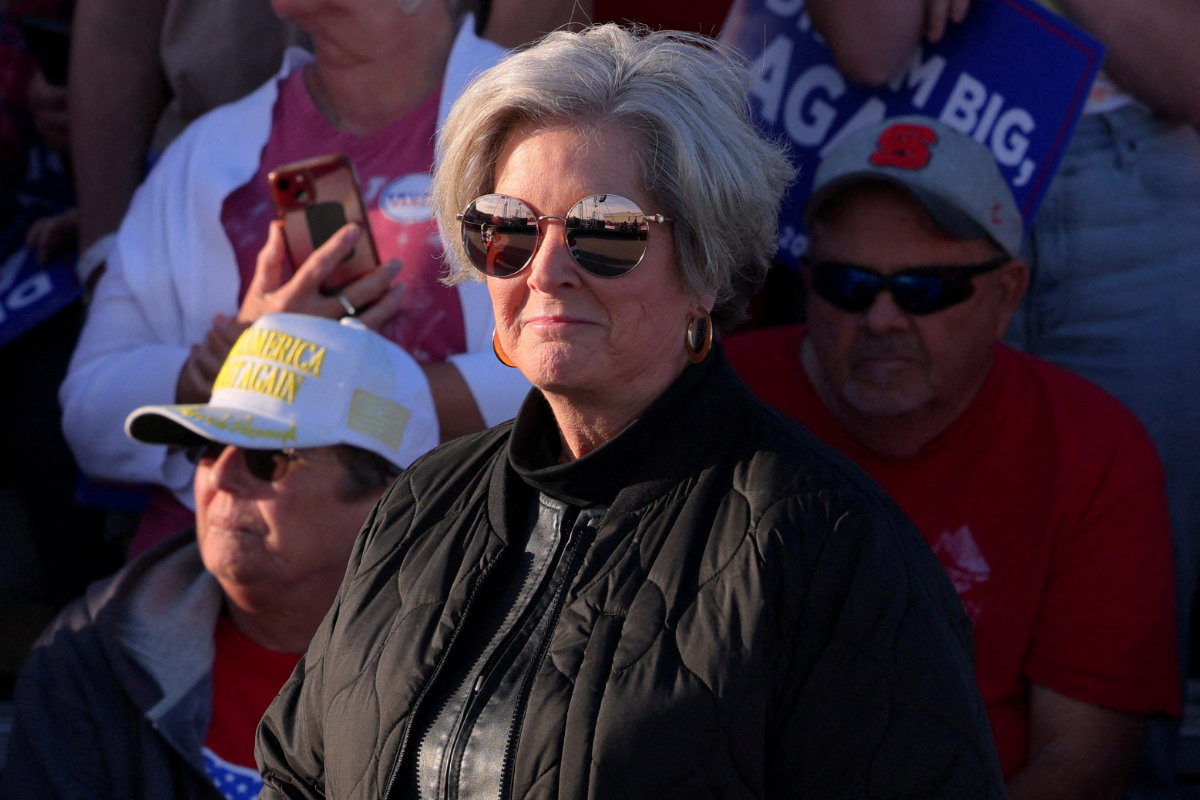
Susie Wiles, senior adviser to Trump’s 2024 presidential campaign and its de facto manager, was the first to be named to Trump's forthcoming cabinet. She will be his chief of staff. (REUTERS)
Tom Homan, ‘border czar’
Homan, 62, has been tasked with Trump’s top priority of carrying out the largest deportation operation in the nation’s history.
Homan, who served under Trump in his first administration leading US Immigration and Customs Enforcement, was widely expected to be offered a position related to the border, an issue Trump made central to his campaign.
Though Homan has insisted such a massive undertaking would be humane, he has long been a loyal supporter of Trump’s policy proposals, suggesting at a July conference in Washington that he would be willing to “run the biggest deportation operation this country’s ever seen.”
Democrats have criticized Homan for defending Trump’s “zero tolerance” policy on border crossings during his first administration, which led to the separation of thousands of parents and children seeking asylum at the border.
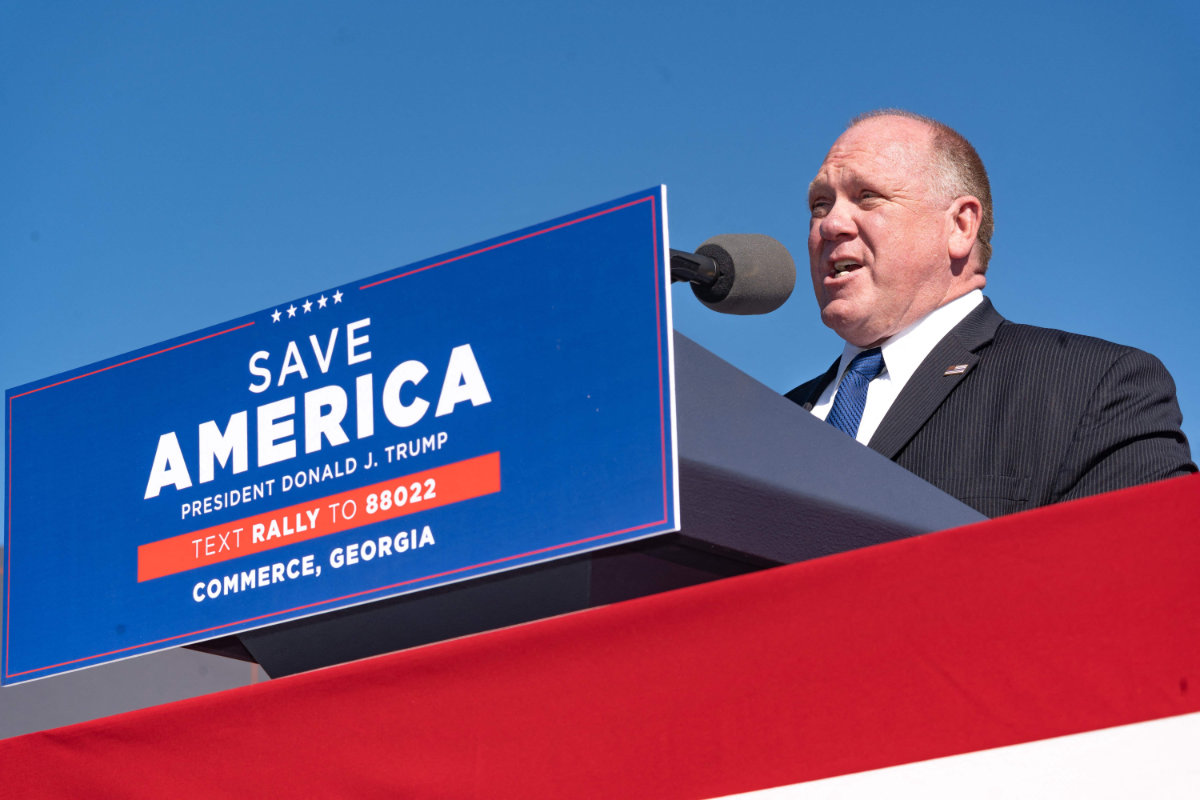
Tom Homan is a former acting director of US Immigration and Customs Enforcement. (Getty Images/AFP)
Homan, 62, has been tasked with Trump’s top priority of carrying out the largest deportation operation in the nation’s history.
Homan, who served under Trump in his first administration leading US Immigration and Customs Enforcement, was widely expected to be offered a position related to the border, an issue Trump made central to his campaign.
Though Homan has insisted such a massive undertaking would be humane, he has long been a loyal supporter of Trump’s policy proposals, suggesting at a July conference in Washington that he would be willing to “run the biggest deportation operation this country’s ever seen.”
Democrats have criticized Homan for defending Trump’s “zero tolerance” policy on border crossings during his first administration, which led to the separation of thousands of parents and children seeking asylum at the border.
John Ratcliffe, CIA director
Ratcliffe was director of national intelligence during the final year and a half of Trump’s first term, leading the US government’s spy agencies during the coronavirus pandemic.
“I look forward to John being the first person ever to serve in both of our Nation’s highest Intelligence positions,” Trump said in a statement, calling him a “fearless fighter for the Constitutional Rights of all Americans” who would ensure “the Highest Levels of National Security, and PEACE THROUGH STRENGTH.”
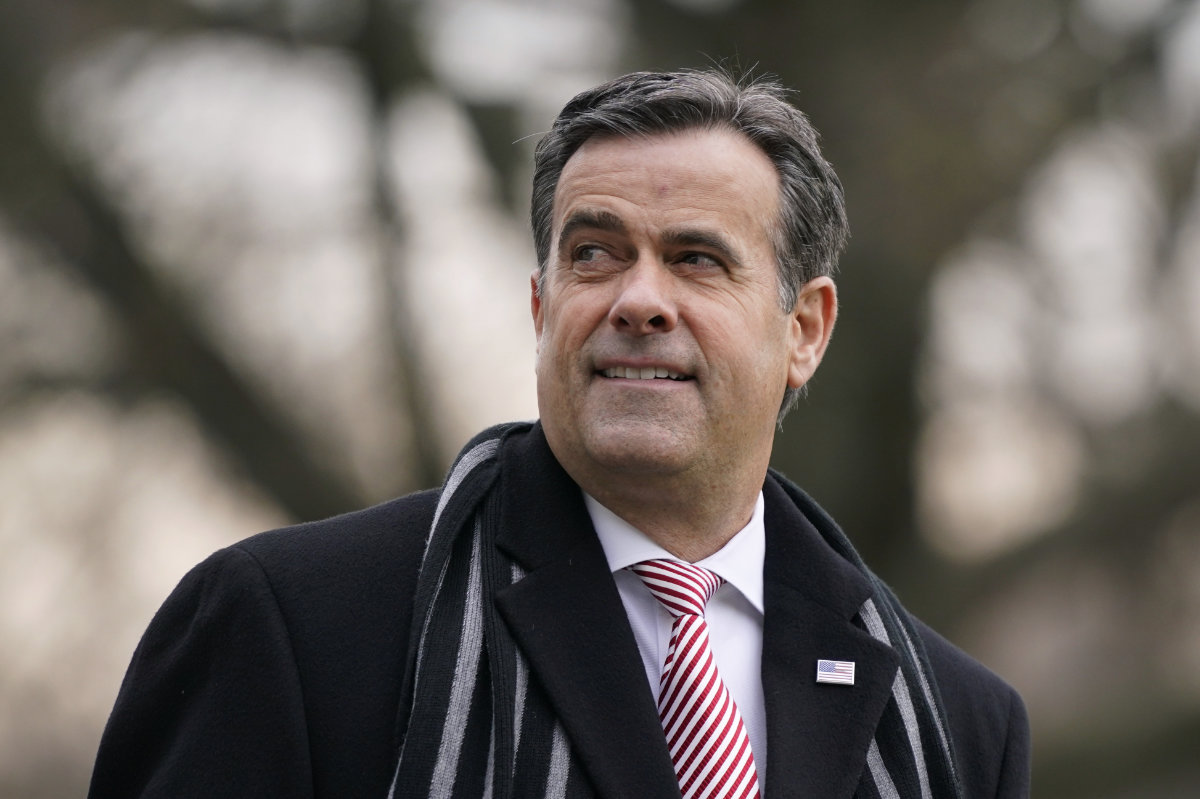
John Ratcliffe was director of national intelligence during the final year and a half of Trump’s first term. (AP/File)
Steven Witkoff, special envoy to the Middle East
The 67-year-old Witkoff is the president-elect’s golf partner and was golfing with him at Trump’s club in West Palm Beach, Florida, on Sept. 15, when the former president was the target of a second attempted assassination.
Witkoff “is a Highly Respected Leader in Business and Philanthropy,” Trump said of Witkoff in a statement. “Steve will be an unrelenting Voice for PEACE, and make us all proud.”
Trump also named Witkoff co-chair, with former Georgia Sen. Kelly Loeffler, of his inaugural committee.
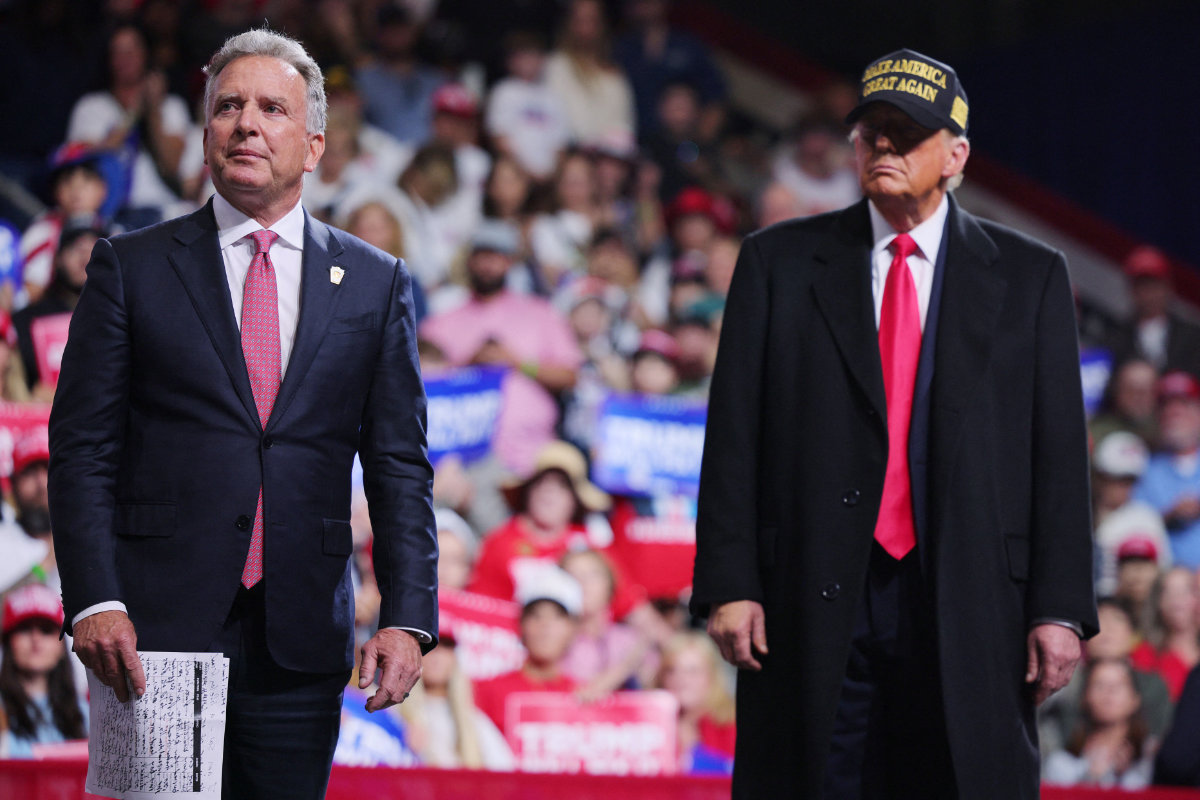
Businessman Steve Witkoff stands onstage with Donald Trump during a campaign rally at Atrium Health Amphitheater in Macon, Georgia, on Nov. 3, 2024. (REUTERS)
Mike Huckabee, ambassador to Israel
Huckabee is a staunch defender of Israel and his intended nomination comes as Trump has promised to align US foreign policy more closely with Israel’s interests as it wages wars against the Iran-backed Hamas and Hezbollah.
“He loves Israel, and likewise the people of Israel love him,” Trump said in a statement. “Mike will work tirelessly to bring about peace in the Middle East.”
Huckabee, who ran unsuccessfully for the Republican nomination in 2008 and 2016, has been a popular figure among evangelical Christian conservatives, many of whom support Israel due to Old Testament writings that Jews are God’s chosen people and that Israel is their rightful homeland.
Trump has been praised by some in this important Republican voting bloc for moving the US embassy in Israel from Tel Aviv to Jerusalem.
Huckabee has rejected a Palestinian homeland in territory occupied by Israel, calling for a so-called “one-state solution.”
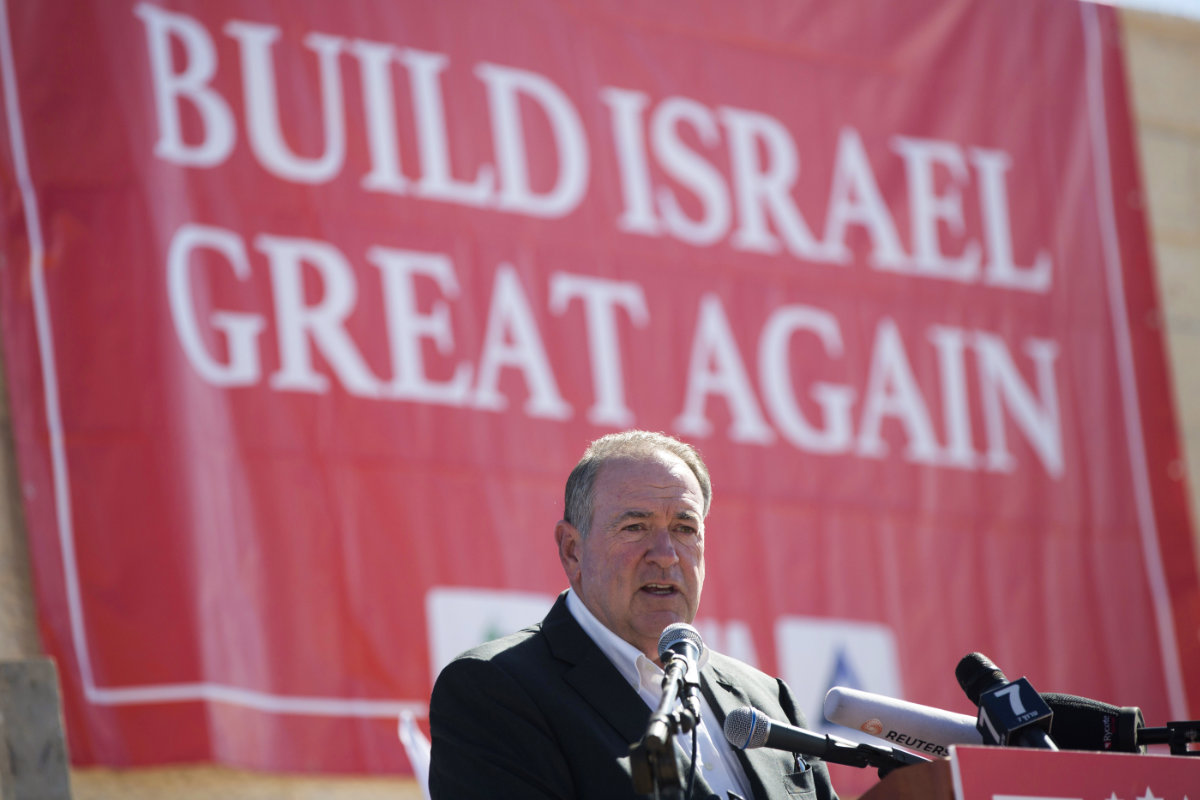
Mike Huckabee has rejected a Palestinian homeland in territory occupied by Israel, calling for a so-called “one-state solution.” (AP)
Robert F. Kennedy Jr, Health and Human Services Secretary
Kennedy ran for president as a Democrat, than as an independent, and then endorsed Trump. He's the son of Democratic icon Robert Kennedy, who was assassinated during his own presidential campaign.
The nomination of Kennedy to lead the Department of Health and Human Services alarmed people who are concerned about his record of spreading unfounded fears about vaccines. For example, he has long advanced the debunked idea that vaccines cause autism.
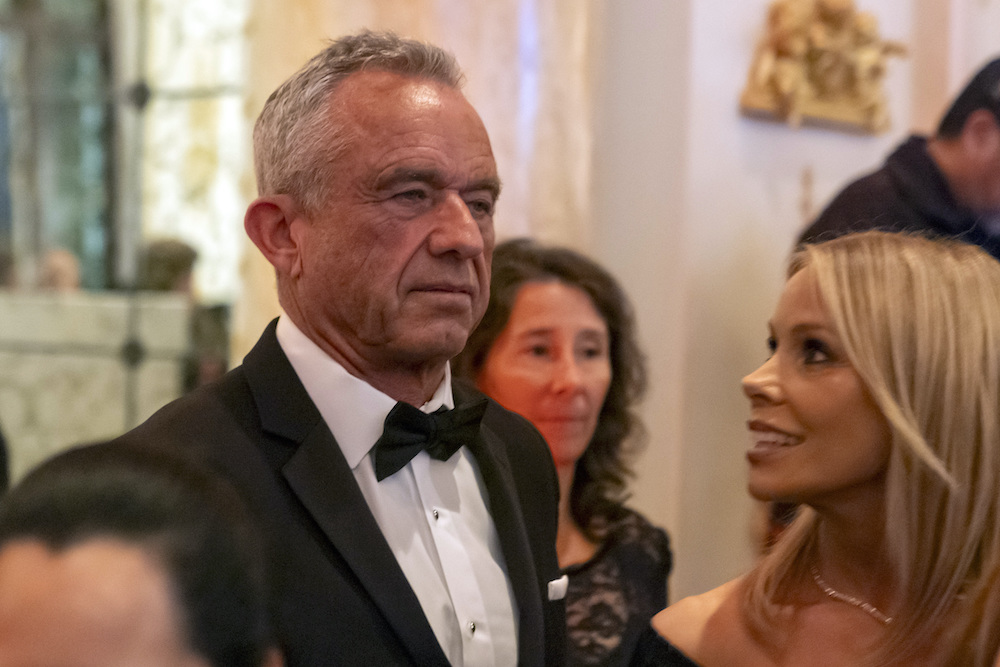
Robert F. Kennedy Jr., and his wife Cheryl Hines arrive before President-elect Donald Trump speaks during a gala at his Mar-a-Lago estate, Thursday, Nov. 14. (AP)
Mike Waltz, national security adviser
Waltz is a three-term GOP congressman from east-central Florida. He served multiple tours in Afghanistan and also worked in the Pentagon as a policy adviser when Donald Rumsfeld and Robert Gates were defense chiefs.
He is considered hawkish on China, and called for a US boycott of the 2022 Winter Olympics in Beijing due to its involvement in the origin of COVID-19 and its mistreatment of the minority Muslim Uighur population.
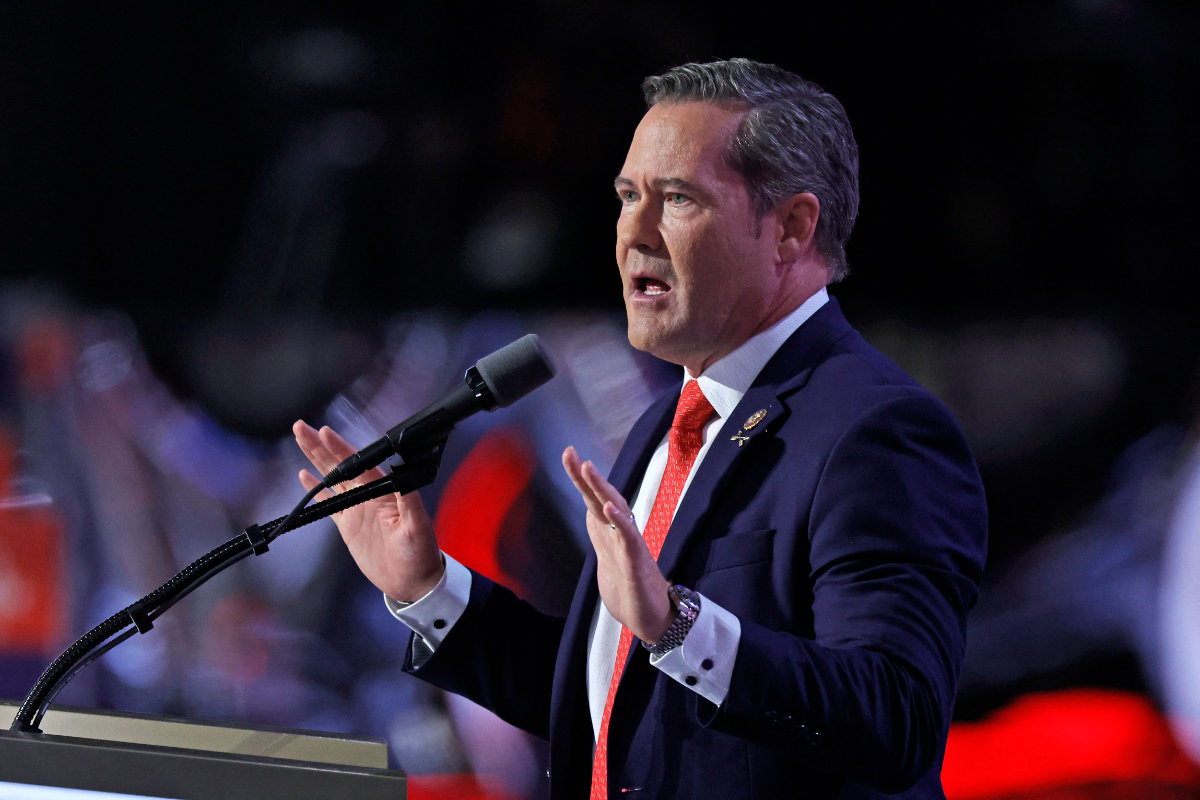
Former Rep. Michael Waltz, Trump's pick for the national security adviser post, is a former army special forces veteran and noted China hawk Michael Waltz. (AFP)
Dan Scavino, deputy chief of staff
Scavino, whom Trump’s transition referred to in a statement as one of “Trump’s longest serving and most trusted aides,” was a senior adviser to Trump’s 2024 campaign, as well as his 2016 and 2020 campaigns. He will be deputy chief of staff and assistant to the president.
Scavino had run Trump’s social media profile in the White House during his first administration. He was also held in contempt of Congress in 2022 after a month-long refusal to comply with a subpoena from the House committee’s investigation into the Jan. 6, 2021, attack on the US Capitol.
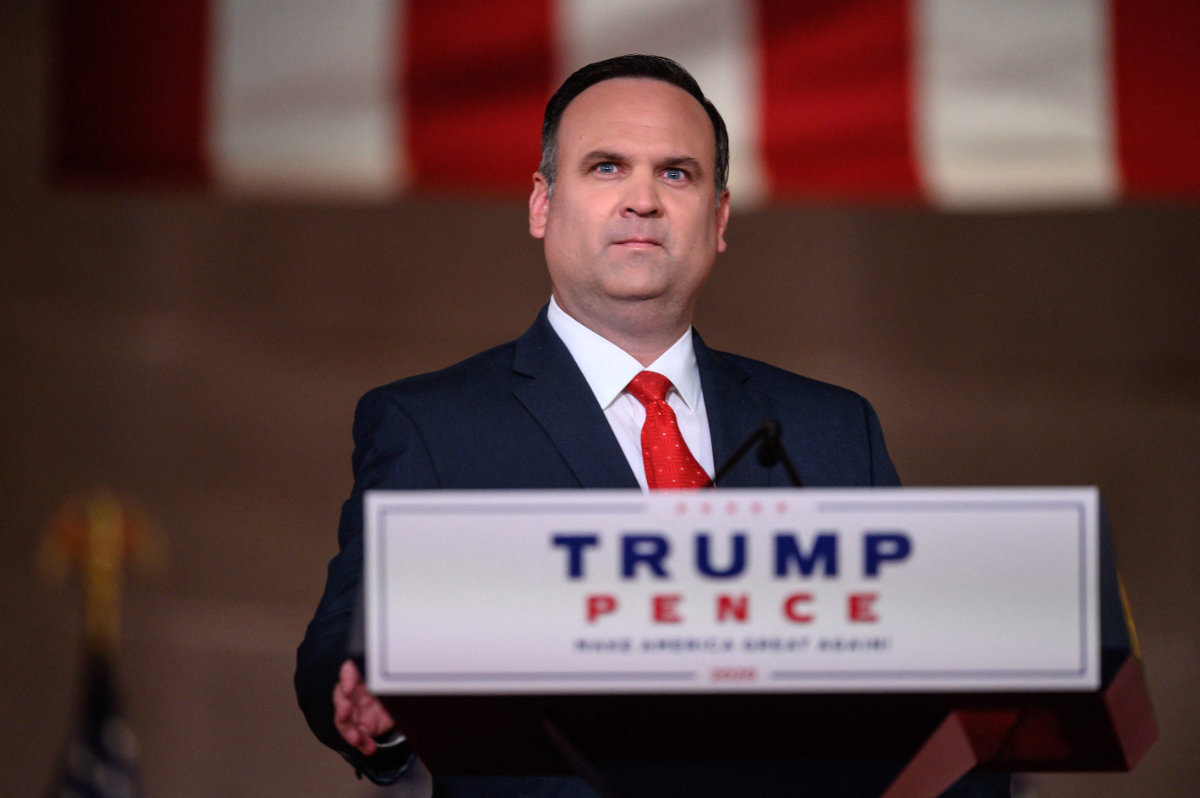
Dan Scavino was a White House deputy chief of ataff for communications during Trump's first term. (AFP)
Stephen Miller, deputy chief of staff for policy
Miller, an immigration hard-liner, was a vocal spokesperson during the presidential campaign for Trump’s priority of mass deportations. The 39-year-old was a senior adviser during Trump’s first administration.
Miller has been a central figure in some of Trump’s policy decisions, notably his move to separate thousands of immigrant families.
Trump argued throughout the campaign that the nation’s economic, national security and social priorities could be met by deporting people who are in the United States illegally. Since Trump left office in 2021, Miller has served as the president of America First Legal, an organization made up of former Trump advisers aimed at challenging the Biden administration, media companies, universities and others over issues such as free speech and national security.
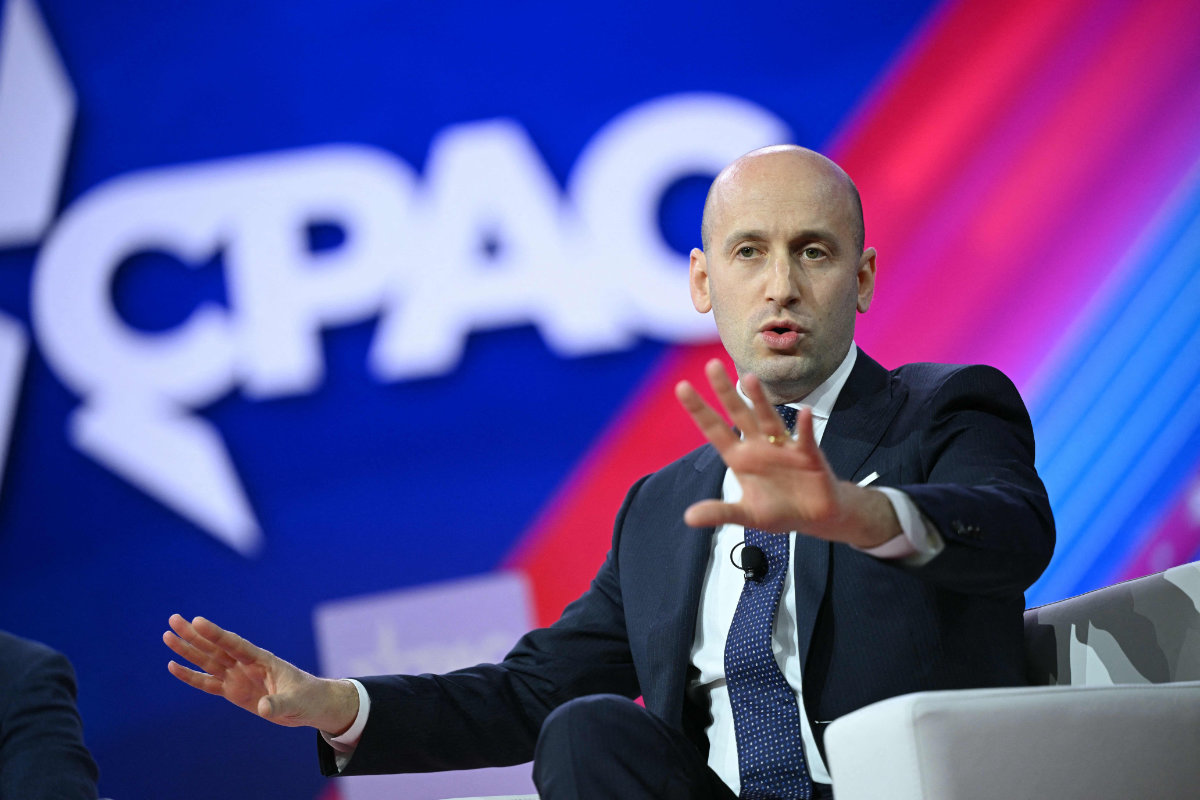
Political adviser Stephen Miller speaks during the annual Conservative Political Action Conference (CPAC) meeting on February 23, 2024, in National Harbor, Maryland. (AFP)
Lee Zeldin, Environmental Protection Agency
Zeldin does not appear to have any experience in environmental issues, but is a longtime supporter of the former president. The 44-year-old former US House member from New York wrote on X, “We will restore US energy dominance, revitalize our auto industry to bring back American jobs, and make the US the global leader of AI.”
“We will do so while protecting access to clean air and water,” he added.
During his campaign, Trump often attacked the Biden administration’s promotion of electric vehicles, and incorrectly referred to a tax credit for EV purchases as a government mandate. Trump also often told his audiences during the campaign that his administration would “drill, baby, drill,” referring to his support for expanded petroleum exploration.
In a statement, Trump said Zeldin “will ensure fair and swift deregulatory decisions that will be enacted in a way to unleash the power of American businesses, while at the same time maintaining the highest environmental standards, including the cleanest air and water on the planet.”
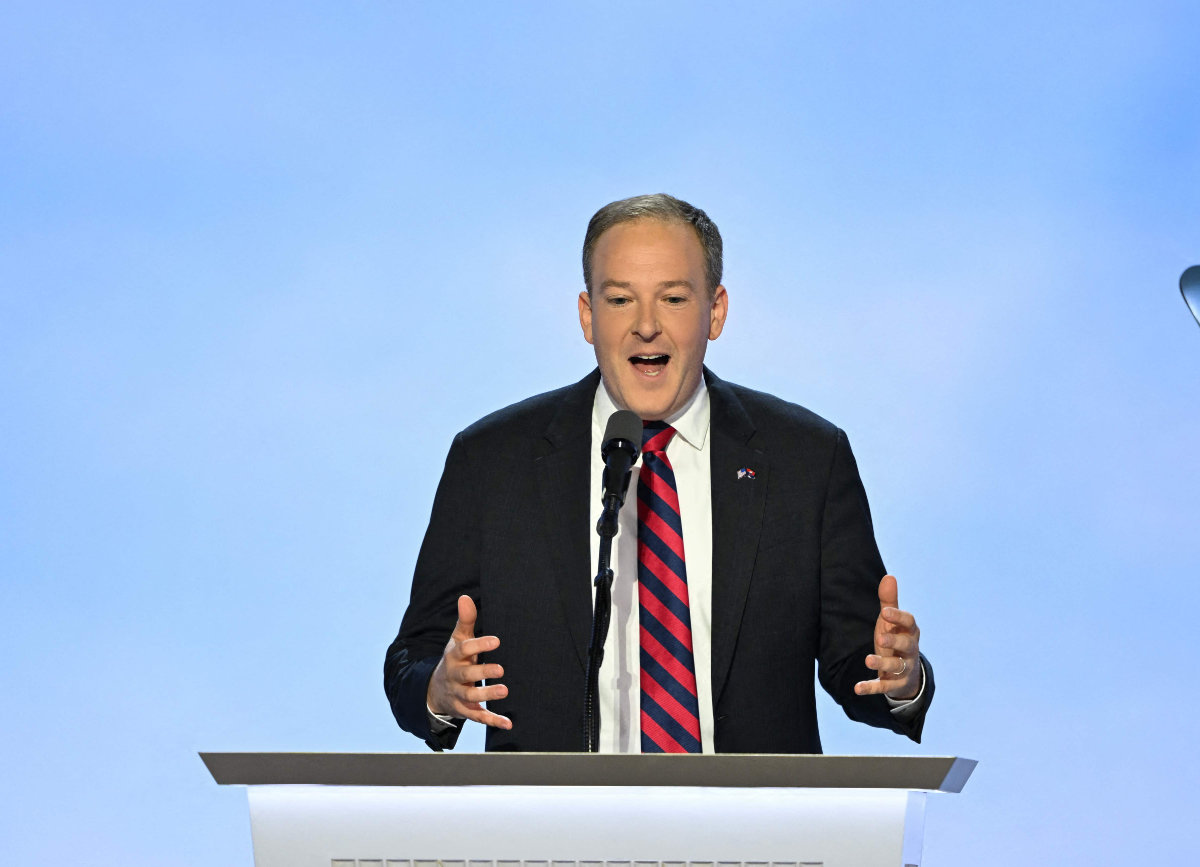
Former Representative Lee Zeldin speaks during the third day of the 2024 Republican National Convention at the Fiserv Forum in Milwaukee, Wisconsin, on July 17, 2024. (AFP)
James Blair, deputy chief of staff
Blair was political director for Trump’s 2024 campaign and for the Republican National Committee. He will be deputy chief of staff for legislative, political and public affairs and assistant to the president.
Blair was key to Trump’s economic messaging during his winning White House comeback campaign this year, a driving force behind the candidate’s “Trump can fix it” slogan and his query to audiences this fall if they were better off than four years ago.
Taylor Budowich, deputy chief of staff
Budowich is a veteran Trump campaign aide who launched and directed Make America Great Again, Inc., a super PAC that supported Trump’s 2024 campaign. He will be deputy chief of staff for communications and personnel and assistant to the president.
Budowich also had served as a spokesman for Trump after his presidency.
William McGinley, White House counsel
McGinley was White House Cabinet secretary during Trump’s first administration, and was outside legal counsel for the Republican National Committee’s election integrity effort during the 2024 campaign.
In a statement, Trump called McGinley “a smart and tenacious lawyer who will help me advance our America First agenda, while fighting for election integrity and against the weaponization of law enforcement.”


