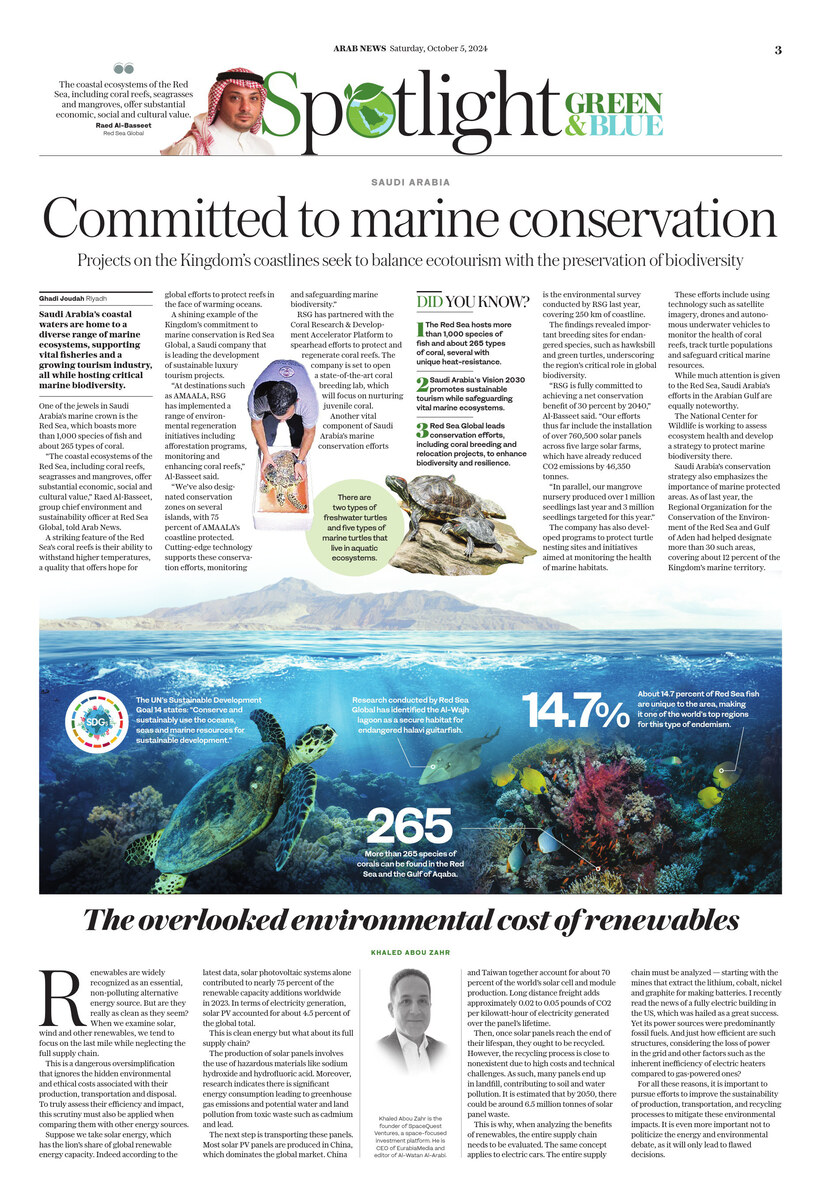
- Projects on the Kingdom’s coastlines seek to balance ecotourism with marine conservation and the preservation of unique biodiversity
- From relocating coral fragments to protecting endangered species, Red Sea Global is setting a global standard for sustainable development
RIYADH: Saudi Arabia’s coastal waters are home to a diverse range of marine ecosystems, supporting vital fisheries and a growing tourism industry, all while hosting critical marine biodiversity, including coral reefs, seagrass meadows and mangrove forests.
With the growing impact of climate change and human activity, protecting these ecosystems has become a national priority, with the Kingdom taking strides to preserve and enhance its natural heritage.
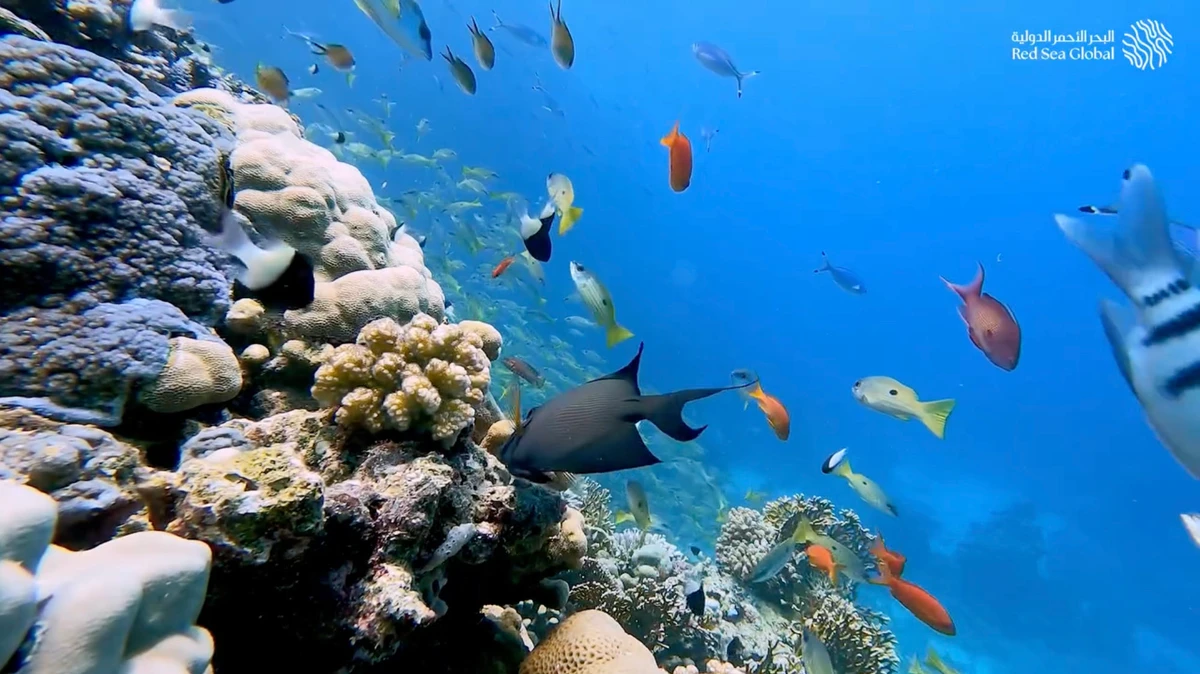
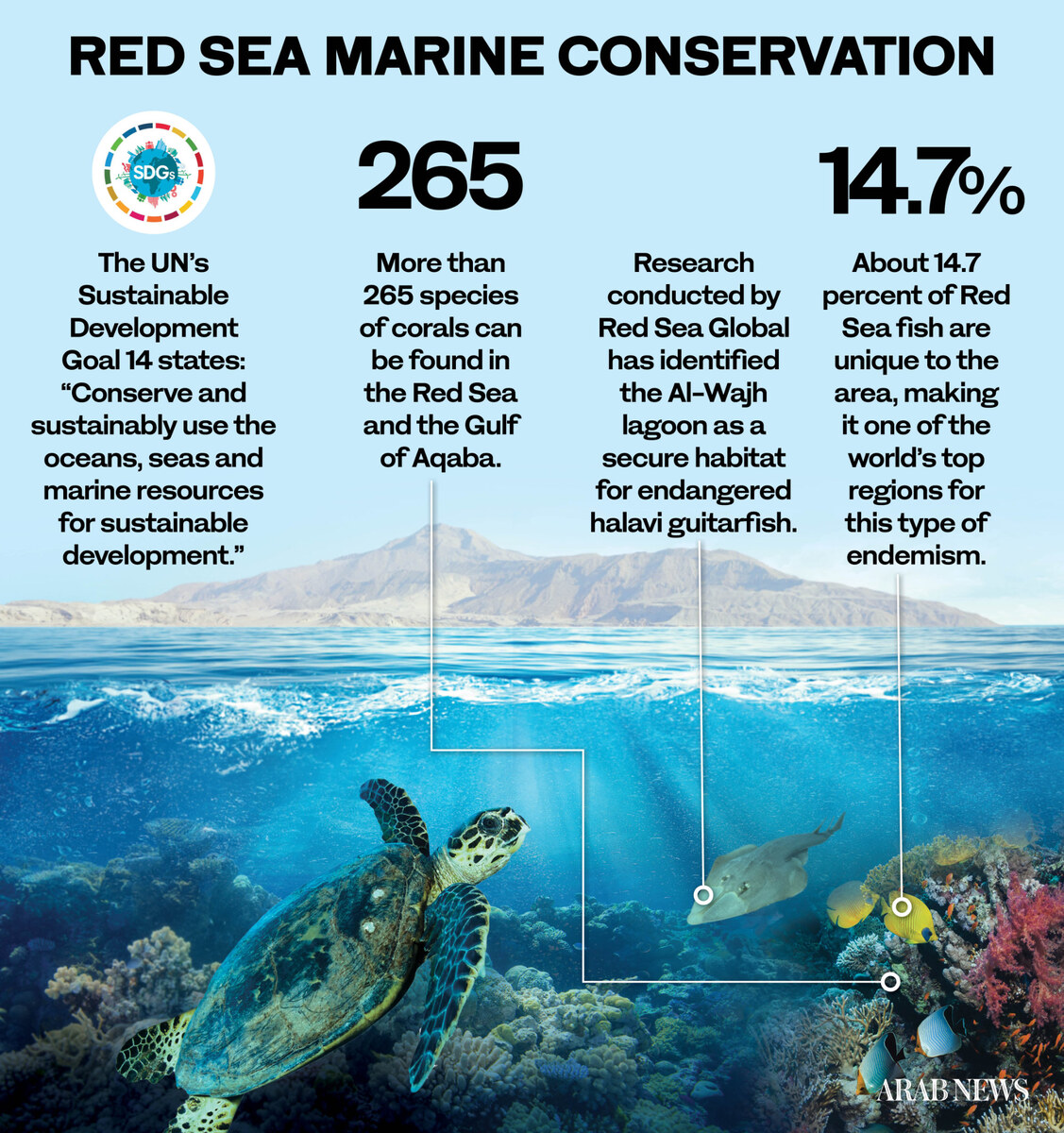
One of the jewels in Saudi Arabia’s marine crown is the Red Sea, which boasts more than 1,000 species of fish and about 265 types of coral. Not only is this ecosystem vital for local livelihoods and traditional practices, it is one of the most biodiverse regions in the world.
“The coastal ecosystems of the Red Sea, including coral reefs, seagrasses and mangroves, offer substantial economic, social and cultural value,” Raed Al-Basseet, group chief environment and sustainability officer at Red Sea Global, told Arab News.
“Economically, these ecosystems are essential to local fisheries, tourism and coastal protection, playing a key role in supporting local livelihoods and generating revenue that contributes to Saudi Arabia’s growing economy.
“Socially, these ecosystems provide food security, employment opportunities and recreational spaces for local communities.
“Culturally, the marine biodiversity of the Red Sea is deeply embedded in the Kingdom’s heritage, attracting ecotourism and offering visitors a chance to engage with a unique natural environment.
“Protecting these ecosystems ensures the preservation of biodiversity while supporting sustainable tourism and fisheries that will continue to benefit future generations.”
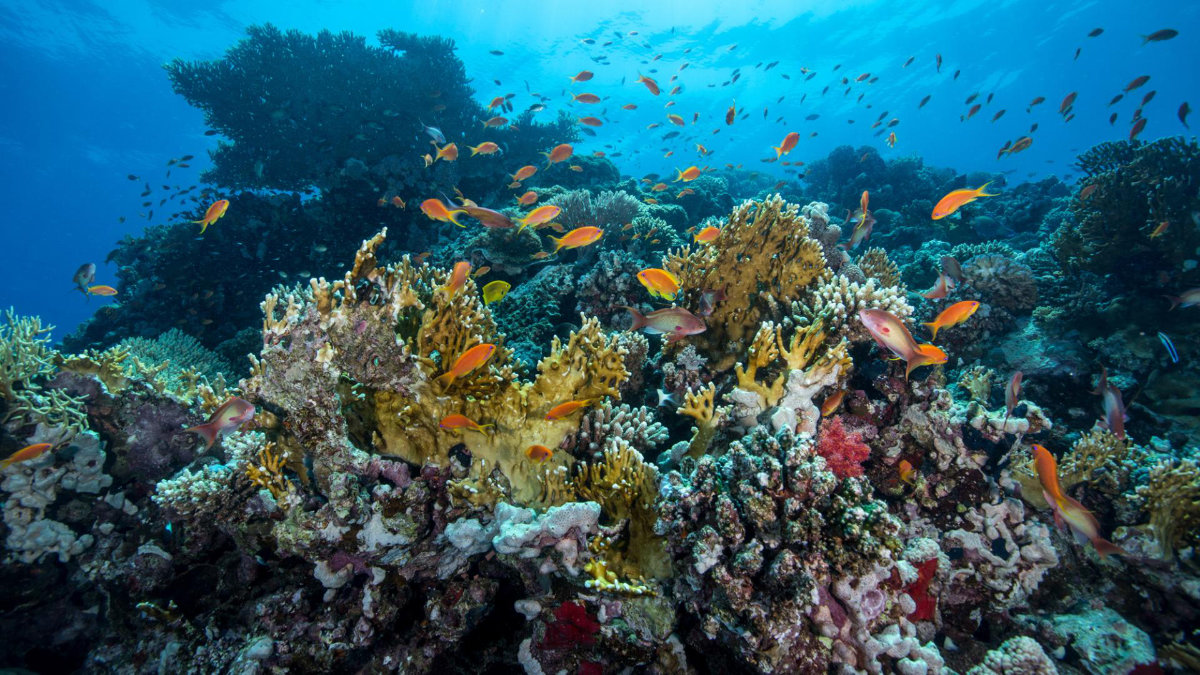
A striking feature of the Red Sea’s coral reefs is their ability to withstand higher temperatures, a quality that offers hope for global efforts to protect reefs in the face of warming oceans. Unlike other regions where coral reefs are succumbing to bleaching events due to rising sea temperatures, those in the northern Red Sea display extraordinary heat tolerance.
This resilience not only makes them vital to marine biodiversity but also positions them as a potential model for coral regeneration projects worldwide.
Marine scientists are particularly keen on studying these corals to uncover why they thrive in warmer conditions and how these traits might be applied to more vulnerable reefs elsewhere.
Saudi Arabia’s Vision 2030 initiative is not only about economic diversification but also creating a sustainable future that balances development with environmental stewardship. One aspect of it is the push toward restorative tourism, which seeks to attract visitors while ensuring minimal environmental impact.
The Kingdom’s Red Sea coastline, with its pristine waters and thriving coral reefs, offers immense potential for eco-friendly tourism, drawing divers, researchers and nature lovers alike.
Ecotourism and marine conservation go hand in hand, as the protection of marine biodiversity helps to preserve the very attractions that tourists come to experience.
A shining example of the Kingdom’s commitment to marine conservation is Red Sea Global, a Saudi company that is leading the development of sustainable luxury tourism projects — namely AMAALA and The Red Sea — that are central to the Vision 2030 agenda
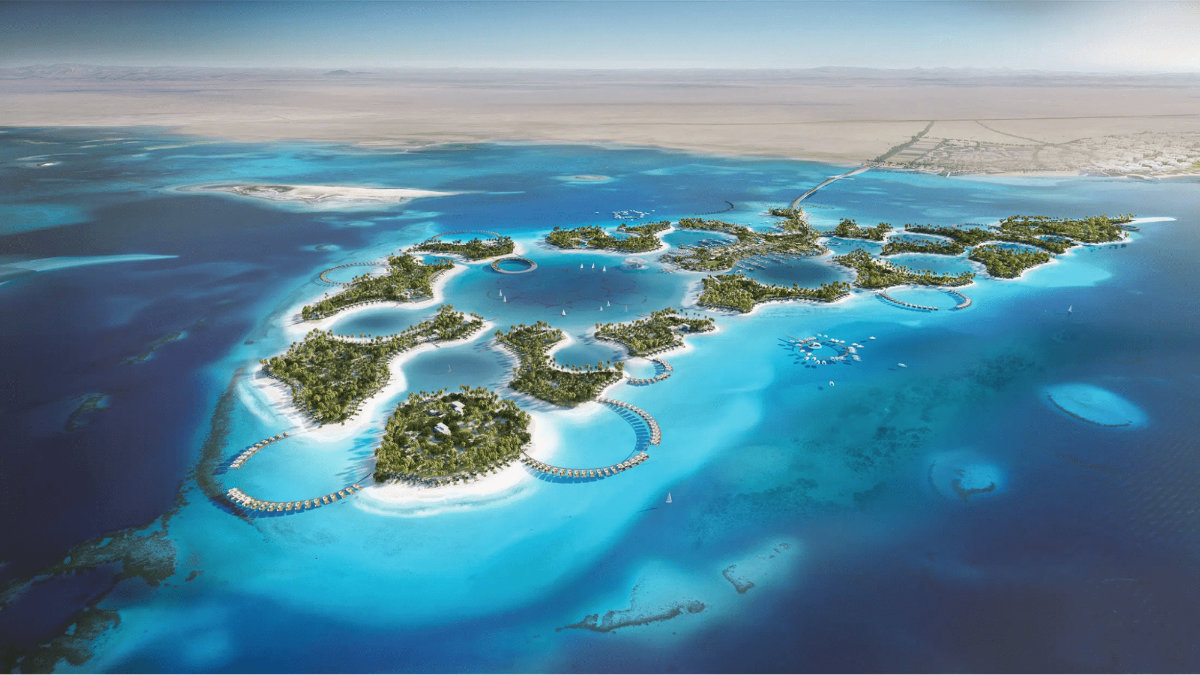
AMAALA focuses on wellness and art-inspired luxury, while The Red Sea includes an archipelago of pristine islands and coral reefs, designed to attract eco-conscious travelers.
“At destinations such as AMAALA, RSG has implemented a range of environmental regeneration initiatives including afforestation programs, monitoring and enhancing coral reefs,” Al-Basseet said.
“We’ve also designated conservation zones on several islands, with 75 percent of AMAALA’s coastline protected. Cutting-edge technology supports these conservation efforts, monitoring and safeguarding marine biodiversity while ensuring that human activity in the area is in harmony with nature.
“Our goal is to create a harmonious balance between luxury tourism and environmental stewardship, preserving the natural habitats that make these destinations so unique.”
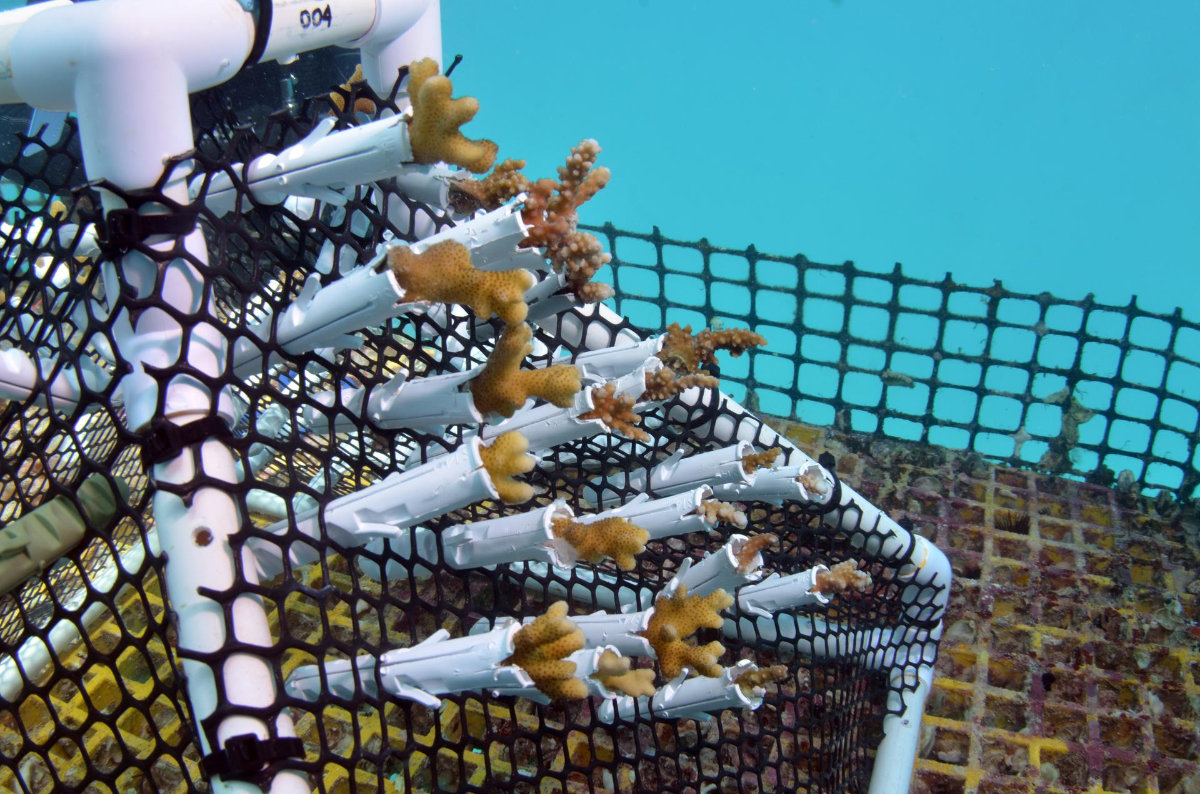
RSG has partnered with the Coral Research & Development Accelerator Platform to spearhead efforts to protect and regenerate coral reefs. As part of this, the company is set to open a state-of-the-art coral breeding lab, which will focus on nurturing juvenile coral for restoration projects.
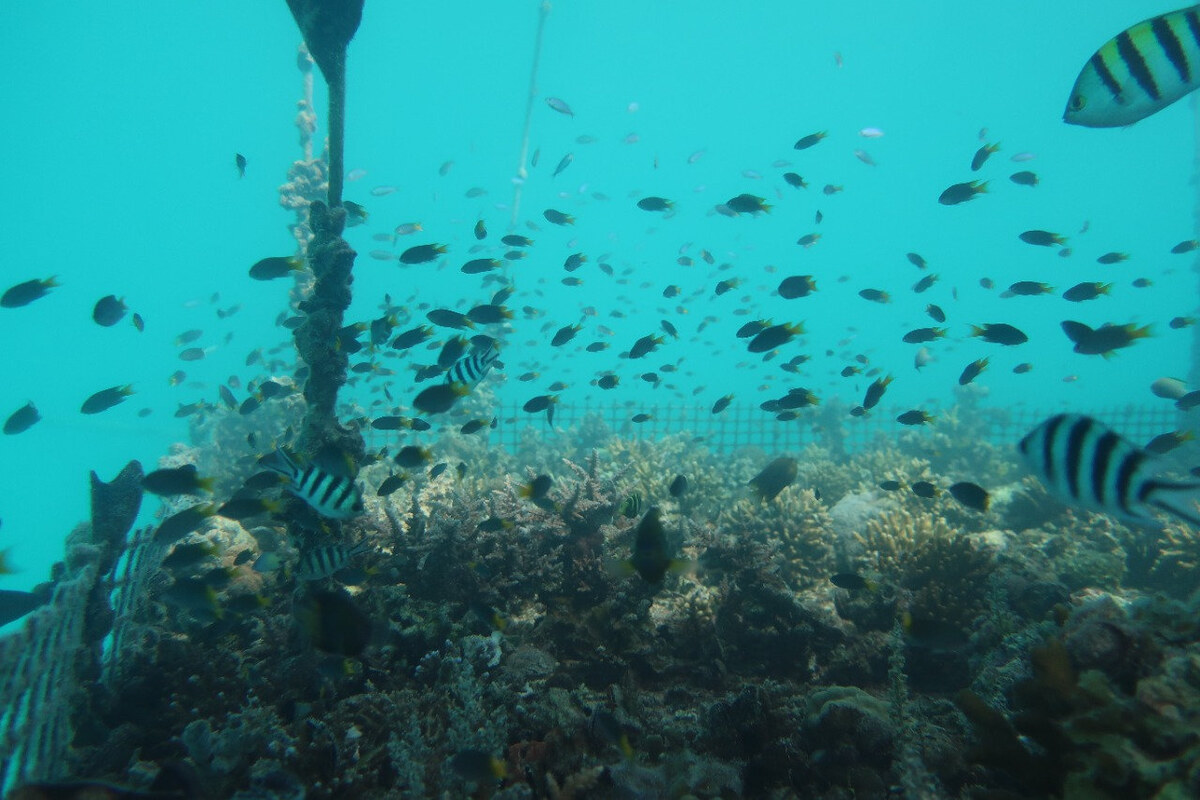
By breeding and relocating coral fragments, it hopes to strengthen coral populations, particularly in areas facing environmental pressures.
Another vital component of Saudi Arabia’s marine conservation efforts is the environmental survey conducted by RSG last year, covering 250 km of coastline. One of the largest of its kind by a developer, it provided invaluable insights into the health of local ecosystems.
The findings revealed important breeding sites for endangered species, such as hawksbill and green turtles, underscoring the region’s critical role in global biodiversity.
Indeed, RSG’s initiatives go beyond coral conservation.
“RSG is fully committed to achieving a net conservation benefit of 30 percent by 2040,” Al-Basseet said. “Our efforts thus far include the installation of over 760,500 solar panels across five large solar farms, which have already reduced CO2 emissions by 46,350 tonnes.
“In parallel, our mangrove nursery produced over 1 million seedlings last year and 3 million seedlings targeted for this year. These plants are transplanted across our sites, contributing to the long-term restoration and protection of vital ecosystems.
“Its projects have also highlighted the importance of protecting endangered marine species, such as the hawksbill turtle and the critically endangered halavi guitarfish, both of which depend on the region’s coastlines and underwater nurseries for survival.”
The company has also developed programs to protect turtle nesting sites and initiatives aimed at monitoring the health of marine habitats.
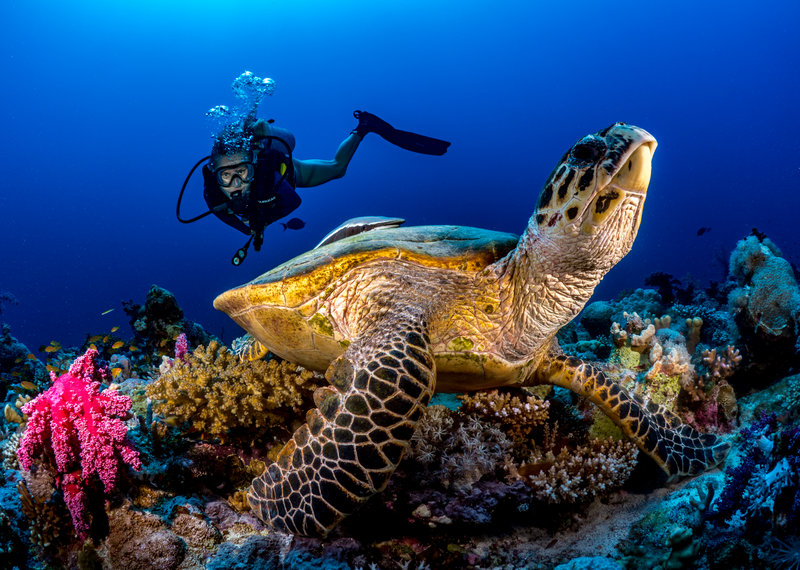
“At Red Sea Global, we have initiated several critical programs to safeguard endangered species such as the hawksbill turtles and sooty falcons, identified during our comprehensive environmental surveys,” Al-Basseet said.
“These efforts include habitat conservation, the protection of turtles’ nesting sites and tagging programs to monitor their behaviors.
“On birds, we’ve established artificial nesting sites for the sooty falcon and implemented preventive measures to mitigate bird collisions.
“We have also undertaken the translocation of vulnerable plant species like the doum palm, underscoring our proactive approach to biodiversity conservation and ensuring the continued survival of these species.”
These efforts also include using technology such as satellite imagery, drones and autonomous underwater vehicles to monitor the health of coral reefs, track turtle populations and safeguard critical marine resources.
“RSG is leveraging state-of-the-art technologies to monitor and protect marine ecosystems,” Al-Basseet said. “Our initiatives include drone surveys equipped with multispectral cameras and advanced tools for detailed coral reef mapping.
“Satellite imagery further supports our efforts by providing real-time monitoring of marine environments and vegetation, ensuring the health and sustainability of critical resources such as coral reefs, seagrasses and mangroves.
“Additionally, we deploy environmental monitoring buoys that provide real-time data on water quality, temperature and other key environmental parameters, helping us track and respond to changes in the marine ecosystem swiftly and effectively.”
While much attention is given to the Red Sea, Saudi Arabia’s efforts in the Arabian Gulf are equally noteworthy.
The National Center for Wildlife is working to assess ecosystem health and develop a strategy to protect marine biodiversity there.
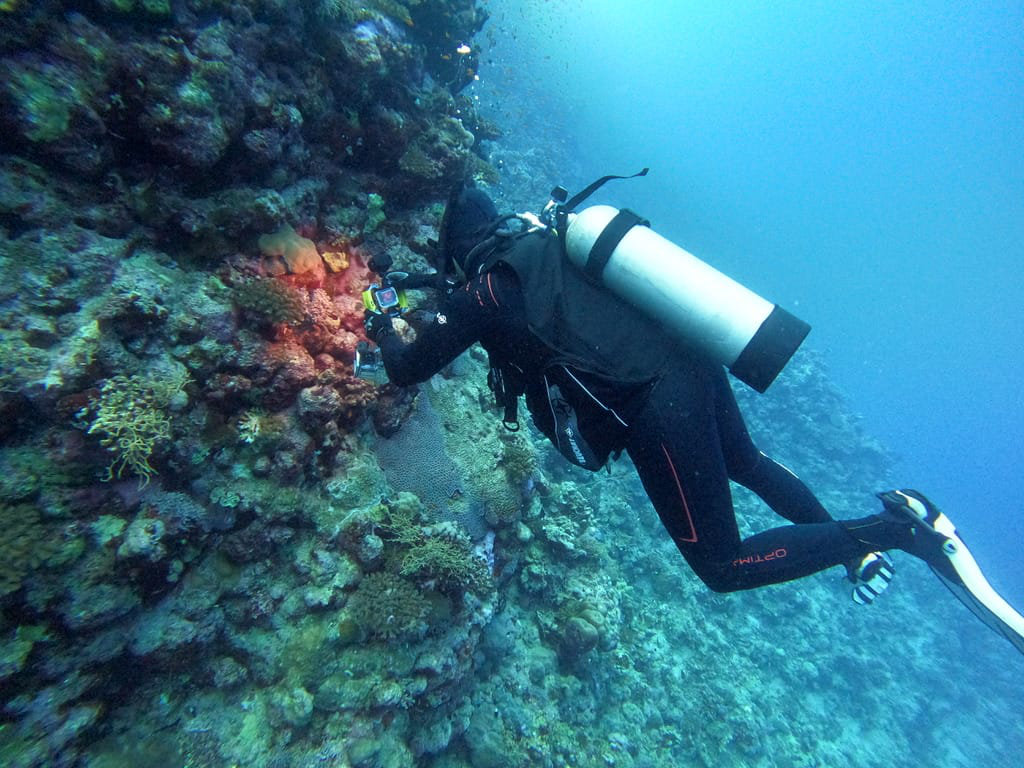
The region is rich in seagrass meadows and mangrove forests, both of which play essential roles in maintaining the health of marine ecosystems and protecting coastlines from erosion.
Saudi Arabia’s conservation strategy also emphasizes the importance of marine protected areas. As of last year, the Regional Organization for the Conservation of the Environment of the Red Sea and Gulf of Aden had helped designate more than 30 such areas, covering about 12 percent of the Kingdom’s marine territory.
These protected zones are essential for preserving sensitive habitats, such as fish spawning grounds and coral reefs, while preventing overfishing and other destructive practices.
Saudi Arabia’s marine conservation efforts not only benefit the Kingdom but also have global implications.
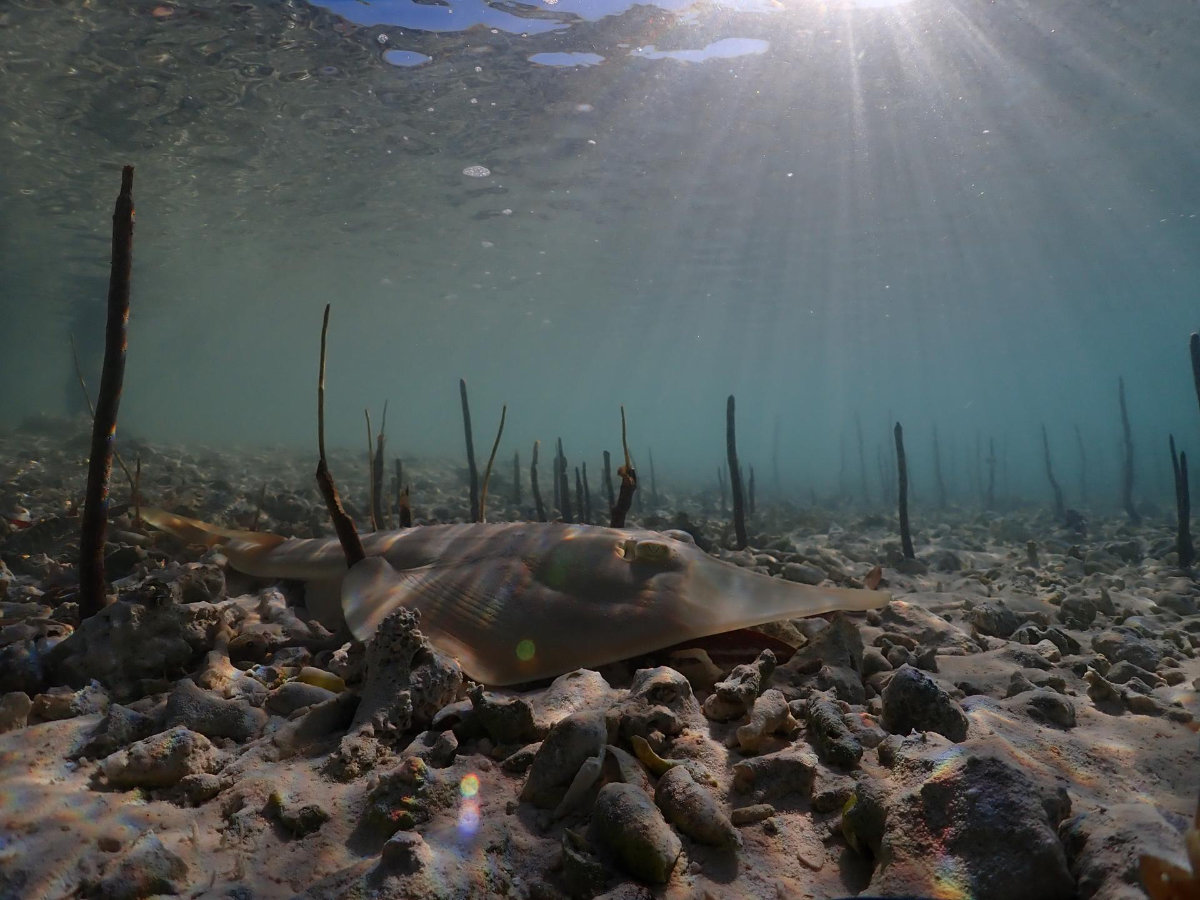
The corals of the Red Sea could provide answers to the broader challenge of coral bleaching worldwide, while the nation’s approach to sustainable tourism offers a model for other countries seeking to balance economic growth with environmental preservation.
Furthermore, these efforts contribute to global efforts to mitigate the effects of climate change, as healthy marine ecosystems play a key role in carbon sequestration and coastal protection.
With ambitious goals, innovative technologies and a commitment to restoring its natural heritage, Saudi Arabia is proving that conservation and development can go hand in hand.
As the Kingdom continues to lead in marine conservation, both the Red Sea and Arabian Gulf will remain vital parts of the global ecosystem, supporting not only local livelihoods but also the health of the planet’s oceans.