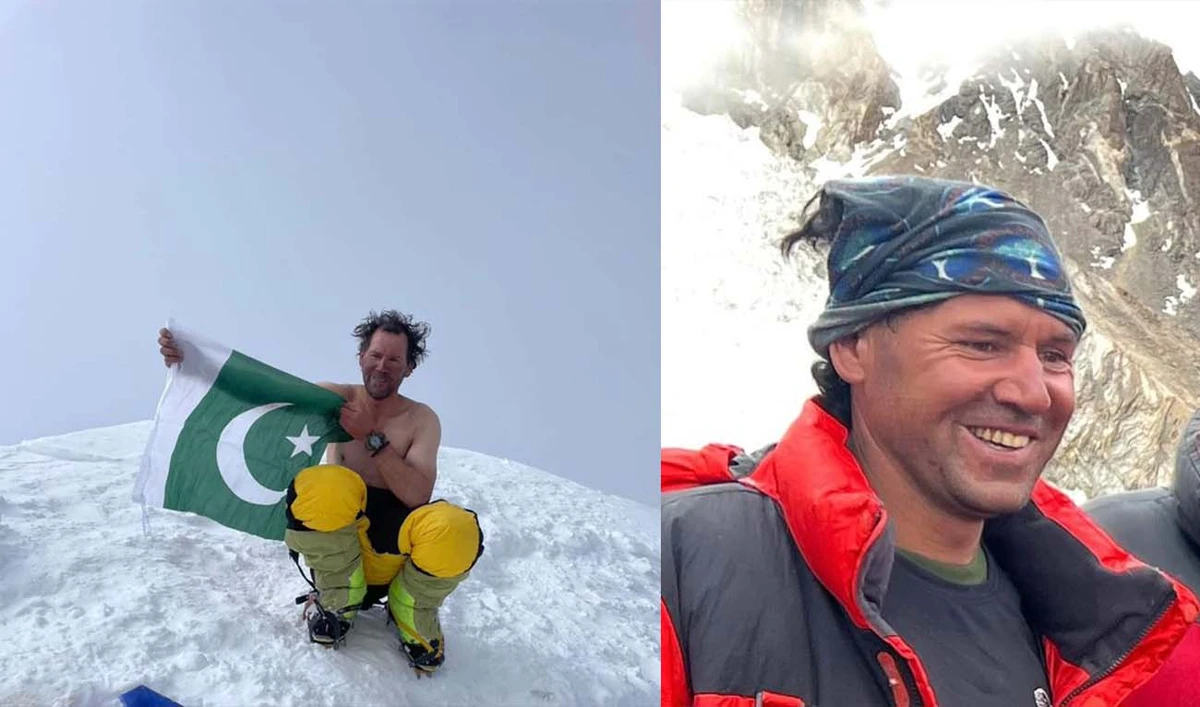
Pakistani climbers call for help as mountaineer Murad Sadpara meets accident on Broad Peak 

The combination of file photos shows Pakistani mountaineer Murad Sadpara. (Photo courtesy: @sadiqsidiqiGB_/ @destinationpak/ X)
Short Url
Updated 11 August 2024
Follow

Pakistani climbers call for help as mountaineer Murad Sadpara meets accident on Broad Peak 

  • Sadpara was part of team of Pakistani climbers who retrieved a porter’s body from K2 mountain last week 
  • Pakistan is home to five of world’s 14 mountains that loom above 8,000 meters, including K2 and Nanga Parbat

KHAPLU, GILGIT-BALTISTAN: Pakistani mountaineer Murad Sadpara met an accident whilst attempting to summit the eight-thousander Broad Peak mountain, triggering calls for an urgent rescue effort from fellow climbers on Sunday. 

Sadpara was part of a team of Pakistani climbers that last week recovered the body of a porter from K2 who had died at the treacherous mountain a year earlier. 

Pakistani climber Naila Kiani wrote on Facebook on Sunday that Sadpara met an accident at Broad Peak located in northern Pakistan’s Gilgit-Baltistan (GB) region. 

“We’re requesting the Pakistan Army to send four climbers from Skardu to the Broad Peak crampon point to bring him back safely,” Kiani wrote. 

Broad Peak is considered by mountaineers as one of the “safer” 8000-meter peaks around the world, with the route being more straightforward compared to the K2 mountain. It is the 12th highest mountain in the world standing at 8,047 meters or at 26,555 feet high. 

“Please keep Murad in your prayers for a safe return to Skardu,” Abid Sadpara, a fellow mountaineer, wrote on Facebook. “Sadly resorting to social media as no one listens to us.”

Pakistan is home to five of the world’s 14 mountains that loom above 8,000 meters, including K2 and Nanga Parbat, which are known for their treacherous climbs. These mountains attract climbers from all parts of the world.

According to official figures, over 8,900 foreigners visited the remote northern GB region in 2023 where the summer climbing season runs from early June to late August.
Three Afghan migrants die crossing into Iran as UN warns of new displacement toward Pakistan

Updated 9 sec ago
Follow

Three Afghan migrants die crossing into Iran as UN warns of new displacement toward Pakistan

  • UNHCR says 1.8 million Afghans were forced to return from Iran this year, straining Afghanistan’s resources
  • Rights groups warn forced refugee returns risk harm as Afghanistan faces food shortages and climate shocks

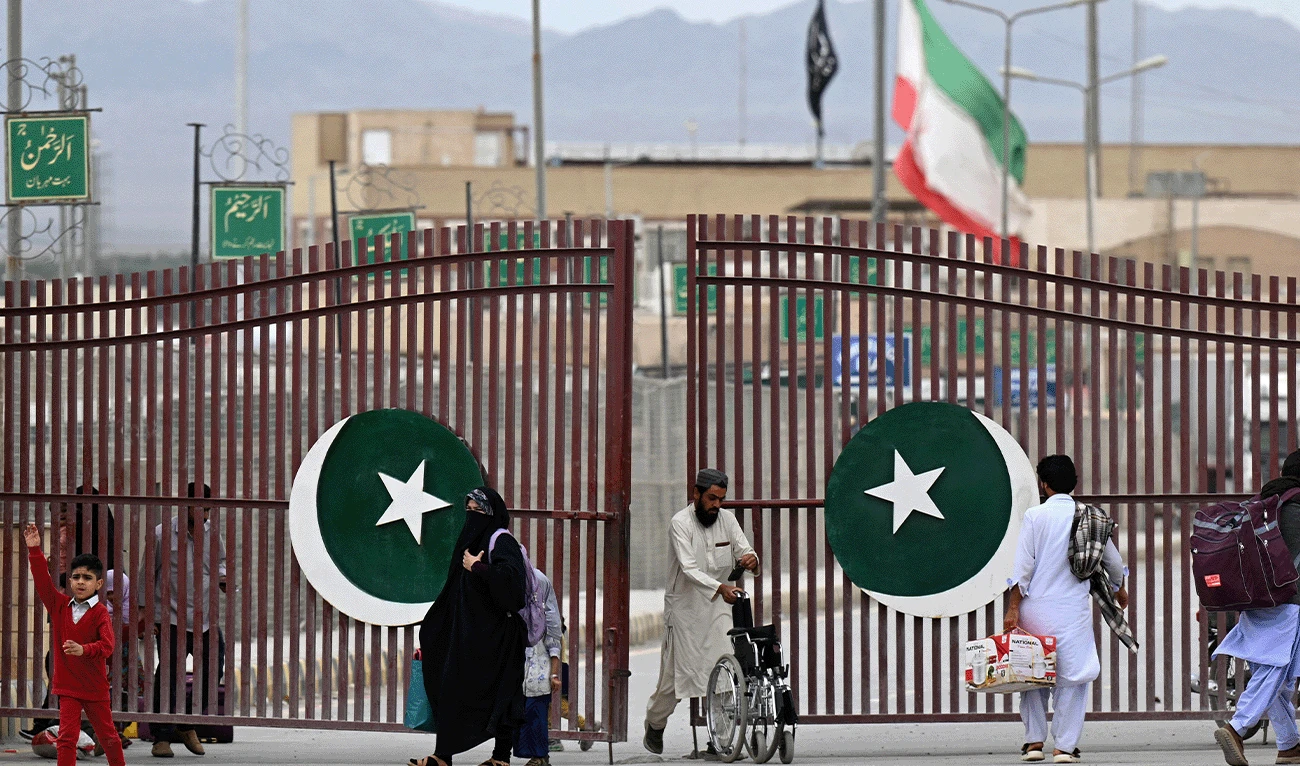
KABUL: Three Afghans died from exposure in freezing temperatures in the western province of Herat while trying to illegally enter Iran, a local army official said on Saturday.

“Three people who wanted to illegally cross the Iran-Afghanistan border have died because of the cold weather,” the Afghan army official told AFP on condition of anonymity.

He added that a shepherd was also found dead in the mountainous area of Kohsan from the cold.

The migrants were part of a group that attempted to cross into Iran on Wednesday and was stopped by Afghan border forces.

“Searches took place on Wednesday night, but the bodies were only found on Thursday,” the army official said.

More than 1.8 million Afghans were forced to return to Afghanistan by the Iranian authorities between January and the end of November 2025, according to the latest figures from the United Nations refugee agency (UNHCR), which said that the majority were “forced and coerced returns.”

“These mass returns in adverse circumstances have strained Afghanistan’s already overstretched resources and services” which leads to “risks of onward and new displacement, including return movements back into Pakistan and Iran and onward,” UNHCR posted on its site dedicated to Afghanistan’s situation.

This week, Amnesty International called on countries to stop forcibly returning people to Afghanistan, citing a “real risk of serious harm for returnees.”

Hit by two major earthquakes in recent months and highly vulnerable to climate change, Afghanistan faces multiple challenges.

It is subject to international sanctions particularly due to the exclusion of women from many jobs and public places, described by the UN as “gender apartheid.”

More than 17 million people in the country are facing acute food insecurity, the UN World Food Program said Tuesday.