


RIYADH: Saudi Arabia’s top 10 listed banks saw an annual surge in earnings of 17 percent in the second quarter of 2024, to reach SR19.54 billion ($5.21 billion).
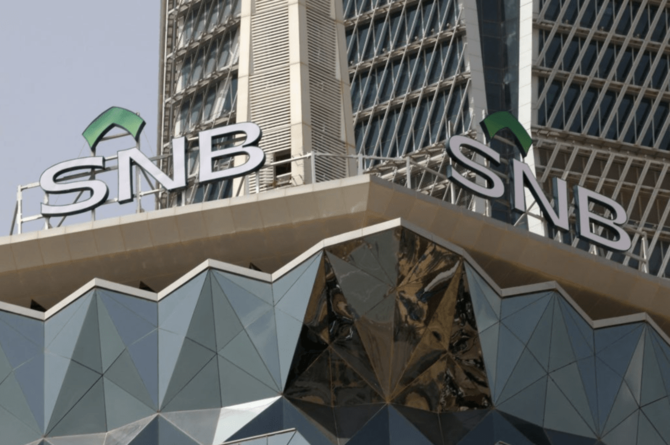
According to data from Bloomberg, Saudi National Bank reported the highest net income among the group, reaching SR5.23 billion, a 27 percent growth from the second quarter last year.
Al Rajhi Bank followed with earnings of SR4.7 billion, marking a 20 percent rise.
These figures represent adjusted net income, which is calculated after removing non-recurring, non-operational, or extraordinary items that could distort the true performance of a business.
For the first half of the year, total earnings increased by 12 percent annually to SR37.55 billion, up from SR33.43 billion.
Riyad Bank came third in the list with earnings of SR2.34 billion, while Saudi Awwal Bank posted a figure of SR2.02 billion.
While constituting only 2 percent of the total profits of listed banks, Al Jazeera Bank registered the highest growth rate with 43 percent, to reach SR318 million.
Saudi Awwal came second with a growth rate of 30 percent, followed by Saudi Investment Bank at 29 percent.
The increase in bank loans in the Kingdom has outpaced deposit growth, which grew by 9 percent during this period, allowing institutions to generate more profits than costs.
This has been influenced by the rise in interest rates in the US, as the Saudi riyal is pegged to the dollar, leading the Saudi Central Bank, also known as SAMA, to align its monetary policy with the Federal Reserve.
SAMA often follows suit to maintain the fixed exchange rate when the Fed raises interest rates.
Consequently, the cost of credit in the Kingdom has increased, impacting borrowing and lending activities.
The increase in lending in Saudi Arabia is driven by the expanding economy and the financing needs of the Kingdom’s ambitious giga-projects. These large-scale plans require substantial funding, contributing to the higher demand for corporate financing.
According to Fitch, Saudi banks are projected to grow at about double the Gulf Cooperation Council average, with financing growth forecasted at about 12 percent for 2024.
The sector is expected to focus more on corporate credit, which is anticipated to account for about 60 percent of new originations. This shift toward corporate financing is likely to continue driving the growth of the banking sector as businesses seek more credit to expand their operations.
The agency said that the operating environment for Saudi banks remains favorable, with a score of “bbb+,” the highest among GCC banking sectors and emerging markets globally.
This positive outlook is supported by high oil prices and substantial government spending on giga-projects and the Vision 2030 strategy, leading to strong non-oil GDP growth.
Fitch forecasts real non-oil gross domestic product growth to average 4.5 percent from 2024 to 2025, compared to 5 percent from 2022 to 2023.


