

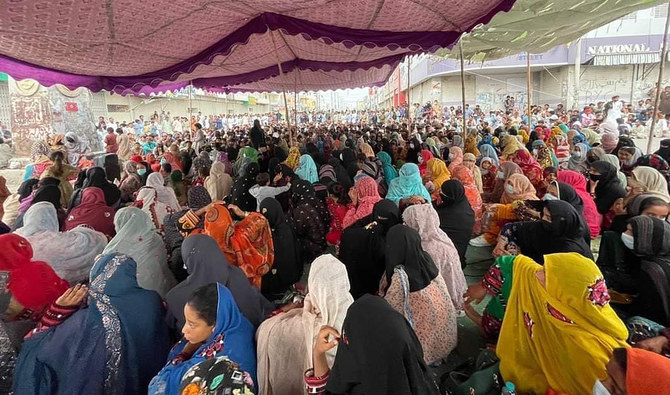

QUETTA: An ethnic Baloch rights group that has been protesting in many districts of Pakistan’s southwestern Balochistan province continued its sit-ins for the eighth consecutive day on Saturday, despite a written agreement reached between its leaders and government officials about two days ago.
The Baloch Yakjehti Committee (BYC) held a protest gathering last week in the Pakistani port city of Gwadar against alleged human rights abuses, extrajudicial killings and enforced disappearances in Balochistan, which rights activists and the families of victims blame on Pakistani security forces. The government and security agencies deny involvement.
Gwadar is the hub of the multibillion-dollar China-Pakistan Economic Corridor (CPEC), which has experienced road blockades and a complete Internet shutdown during the protest, cutting it off from the rest of the country.
The provincial administration said it accepted the protesters’ demands, asking the authorities to release the detained BYC members, resume Internet and mobile services, remove highway blockades, quash police cases against their leadership and register cases against paramilitary soldiers who allegedly shot at the demonstrators.
“The government is unable to understand that despite signing a written agreement, the Baloch Yakjehti Committee has not called off protests in Balochistan and is not honoring the deal,” Assistant Commissioner Gwadar Jawad Ahmed Zehri told Arab News.
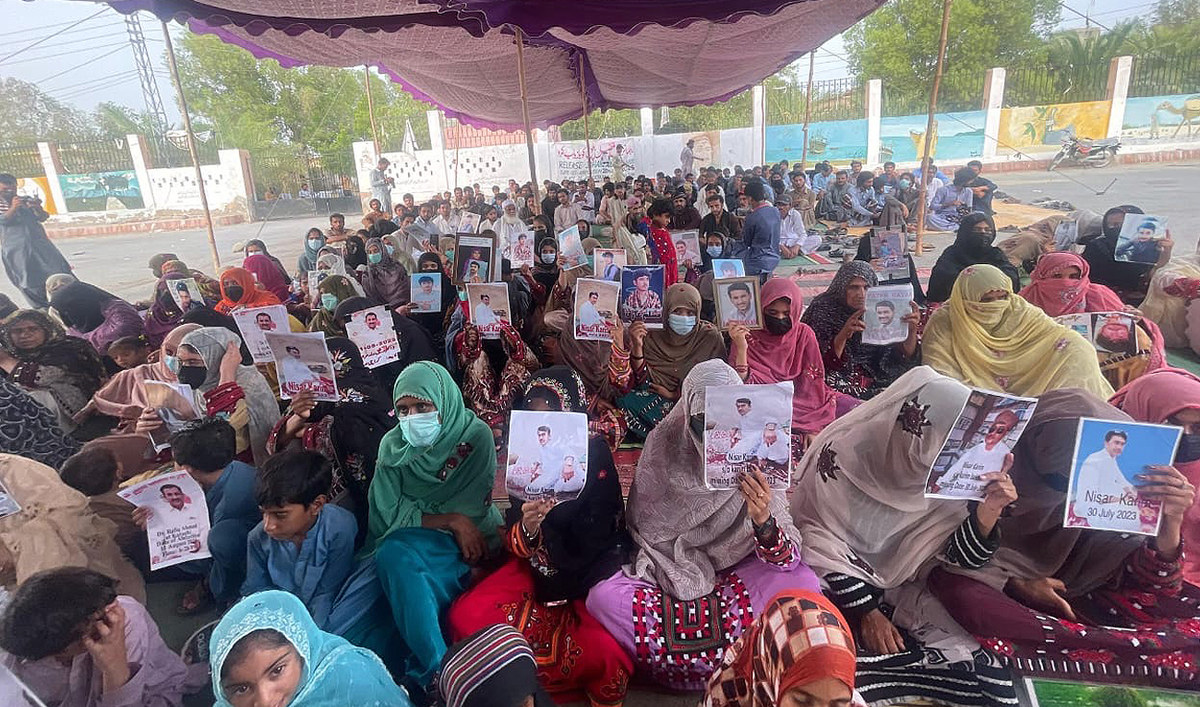
Activists and supporters of Baloch Yakjehti Committee stage protest against alleged human rights violations and heavy deployment of security forces in Balochistan in Panjgur district on August 3, 2024. (Photo Courtesy: BYC)
“The government has started acting on their demands and released 70-plus arrested protesters only in Gwadar,” he continued. “It has also directed the police to release all the detained protesters since July 24 and quash FIRs [first information reports] against the group’s leadership and members.”
BYC leaders and provincial officials confirm that over a dozen people who were en route to Gwadar to attend the demonstration were injured in clashes with paramilitary personnel in Balochistan’s Mastung district. BYC says one person was also killed in the violence, while officials say they are investigating the claim.
Security forces have also complained of being targeted by the demonstrators, saying it led to the death of a soldier.
Speaking to Arab News, Sadia Baloch, a BYC member, described the deal with the government as a “joke,” accusing the authorities of intensifying their crackdown against the protesters.
“If the government were serious about addressing the issue peacefully, it would not have targeted the demonstrators,” she said. “Dozens of our members have been arrested in Karachi and Nushki.”
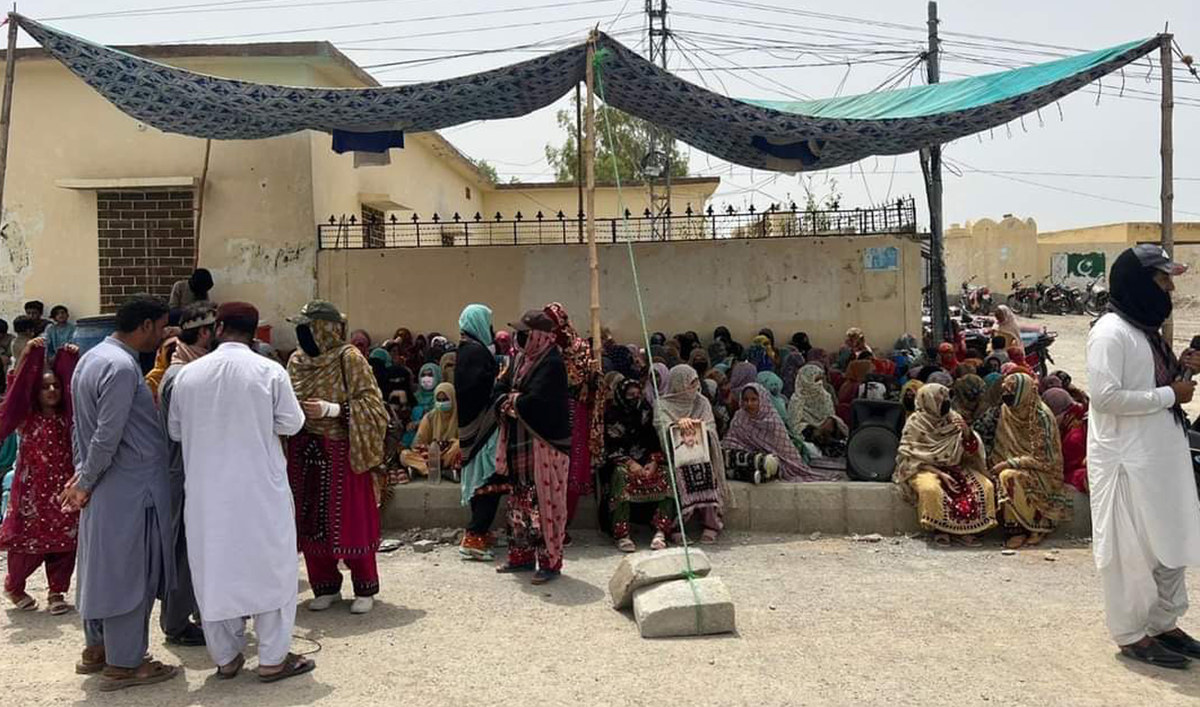
Activists and supporters of Baloch Yakjehti Committee stage protest against alleged human rights violations and heavy deployment of security forces in Balochistan in Panjgur district on August 3, 2024. (Photo Courtesy: BYC)
Police in Pakistan’s southeastern province of Sindh arrested over 35 Baloch activists in Karachi from the Arts Council roundabout and the press club building.
It also cracked down on BYC activists in Nushki in Balochistan, who later blocked a key Pak-Iran trade route in protest.
Beberg Baloch, a senior group leader, said protests would continue across the province until the government gets serious about fulfilling the group’s demands.
“The government has been claiming that all BYC demands have been met after successful talks,” he said while speaking to Arab News. “So, why are the Internet and mobile phone services still suspended in Gwadar and the highways are not opened for the smooth flow of traffic?”

Activists and supporters of Baloch Yakjehti Committee stage protest against alleged human rights violations and heavy deployment of security forces in Balochistan in Panjgur district on August 3, 2024. (Photo Courtesy: BYC)


