

Endangered species find new home at Imam Turki bin Abdullah Royal Reserve

1 / 3
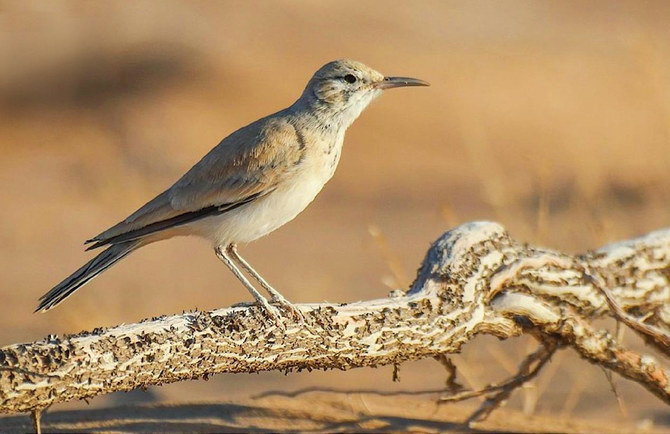
The reserve hosts diverse species, trees, plants and grasses crucial to ecosystem balance. (SPA)
2 / 3
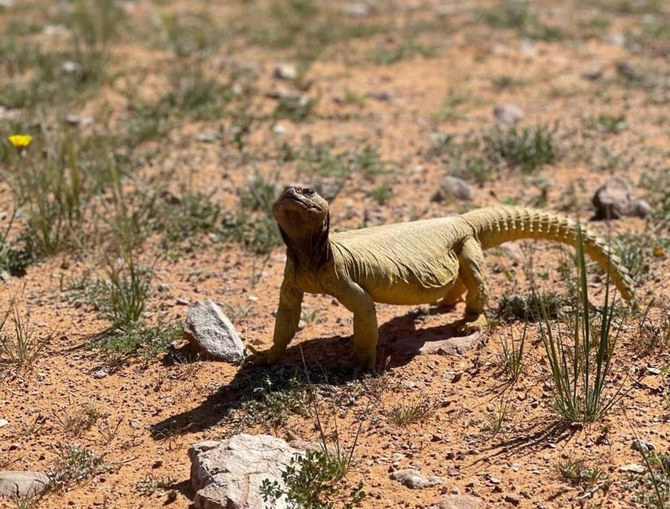
The reserve hosts diverse species, trees, plants and grasses crucial to ecosystem balance. (SPA)
3 / 3
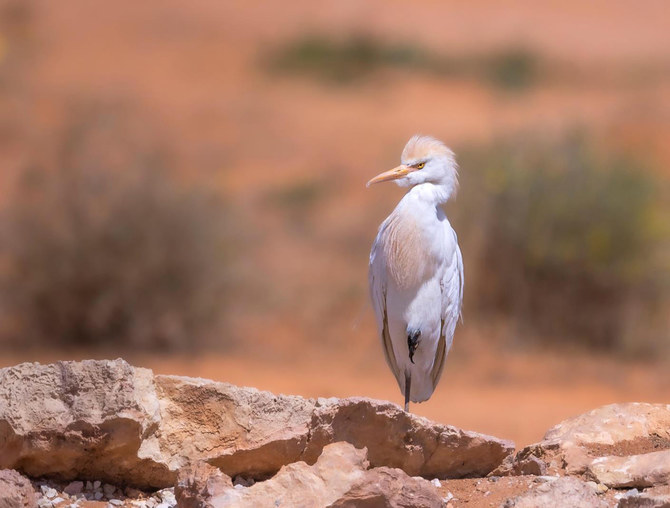
The reserve hosts diverse species, trees, plants and grasses crucial to ecosystem balance. (SPA)
Short Url
Updated 29 July 2024
Follow

Endangered species find new home at Imam Turki bin Abdullah Royal Reserve

  • Efforts to protect endangered animals such as the Arabian oryx, sand gazelle, houbara bustard and red-necked ostrich have led to significant population increases
  • The reserve has more than 179 plant species, including 113 seasonal and 66 perennial varieties

RIYADH: The development department at Imam Turki bin Abdullah Royal Reserve has restored natural wildlife in northeastern Saudi Arabia by resettling, breeding and increasing animal, bird and reptile populations, the Saudi Press Agency reported.

Over the past four years, efforts to protect endangered animals such as the Arabian oryx, sand gazelle, houbara bustard and red-necked ostrich have led to significant population increases after animals were released to thrive, restore their ecological roles and reproduce.

Aligned with Saudi Vision 2030 and the Saudi Green Initiative, which aims to improve quality of life and protect future generations, the reserve’s vegetation cover has also flourished.

Since 2018, vegetation cover has increased from 1.5 percent to 6.7 percent. This growth is the result of three successful desert afforestation projects completed in 2023, with more than 593,700 trees planted, the SPA reported.

Covering 91,500 sq. km, the reserve hosts diverse species, trees, plants and grasses crucial to ecosystem balance. It has more than 179 plant species, including 113 seasonal and 66 perennial varieties.

The vegetation cover has become a haven for a wide range of birds, which are vital to preserving the balance of the ecosystem by controlling insects, small rodents and carrion.

Bird-nesting activity has been observed, alongside a return of sand cats, wild cats, foxes, honey badgers and desert hedgehogs.

The reserve is also experiencing a resurgence of reptiles such as lizards and snakes, alongside a thriving insect population.


‘Cake not hate’ campaign becomes ‘Dates not hate’ in Madinah

“The Joshie-Man” and his father Dan Harris in the courtyard of the Prophet’s Mosque in Madinah. (Supplied)
Updated 02 February 2026
Follow

‘Cake not hate’ campaign becomes ‘Dates not hate’ in Madinah

  • Dan said he was very impressed by Saudi hospitality and that his family was warmly welcomed
  • He said being in Madinah exposed him to the true diversity of Islam

LONDON: A British autistic and non-verbal boy who has been visiting UK mosques and distributing cakes to promote solidarity amid an increase in far-right support in the country has taken his message of love to Madinah.

Joshua Harris, or “The Joshie-Man” as the 12-year-old is known to his social media fans, has handed out hundreds of his baked goods to worshipers at mosques in major British cities over the last few months.

The “Cake not hate” campaign came about after an Islamophobic attack on a mosque in his home city of Peterborough in October 2025.

Harris and his father visited Masjid Darassalaam, the mosque that was targeted, with cakes that the boy had baked and distributed them to the congregation soon after the attack. Since then, Harris has visited dozens of mosques in the UK.

On a recent trip to the Middle East, he and his father visited Madinah. In a local twist that pays tribute to the holy city’s famous date varieties including ajwa and ambar, Harris handed out dates to people in the courtyard of the Prophet’s Mosque. The “Cake not hate” campaign became “Dates not hate” for Saudi Arabia.

“He was greeted really, really warmly. There were some really touching moments where people were kissing his hands and his head. It was really lovely,” his father, Dan Harris, said.

Dan, the founder of global charity Neurodiversity in Business, said being in Madinah exposed him to the true diversity of Islam.

“We met people from all around the world. It was amazing. It’s like the United Nations there, you get people from different countries and it just goes to show you that the Muslim community, or the Ummah more generally, is not a homogeneous group,” he said.

“We saw people from Tajikistan and Uzbekistan and it was really interesting for us.”

Dan said his visit to Madinah, considered the second holiest city in Islam after Makkah for Muslims, was “profound and life-changing.”

He added: “I would say it’s my favourite city in the world due to the peace and tranquillity I felt there.”

Dan added that he was very impressed by Saudi hospitality: “Everywhere we went, people were taking down my number and insisting that we come for dinner, insisting they pick us up from the location. They were extremely attentive to Joshie as well, making sure his needs were met. We felt a great sense of welcome, something Saudi Arabia is known for.”