- Pakistan is recognized as one of the most vulnerable countries to climate change effects worldwide
- Sharif is in Kazakhstan for Shanghai Cooperation Organization to review regional economic cooperation
ISLAMABAD: Pakistan’s Prime Minister Shehbaz Sharif on Thursday called for “generous” financial and technological assistance for countries most vulnerable to the effects of climate change, describing the adverse impacts of climate a defining reality in today’s age at the Shanghai Cooperation Organization summit in Kazakhstan.
Pakistan is recognized as one of the most vulnerable countries to climate change effects. Unusually heavy rains and the melting of glaciers in June 2022 triggered flash floods across the country, sweeping away large swathes of crops, killing nearly 1,700 people and affecting 33 million people. Pakistan estimated losses from the catastrophic floods to be around $30 billion.
Pakistan has consistently called on developed nations to help vulnerable countries deal with the increasing loss and damage caused by global warming. The South Asian country joined hands with other developing nations in 2022 at the COP27, a major climate conference, to call for a global “loss and damage fund” to mitigate the impacts of climate-induced disasters.
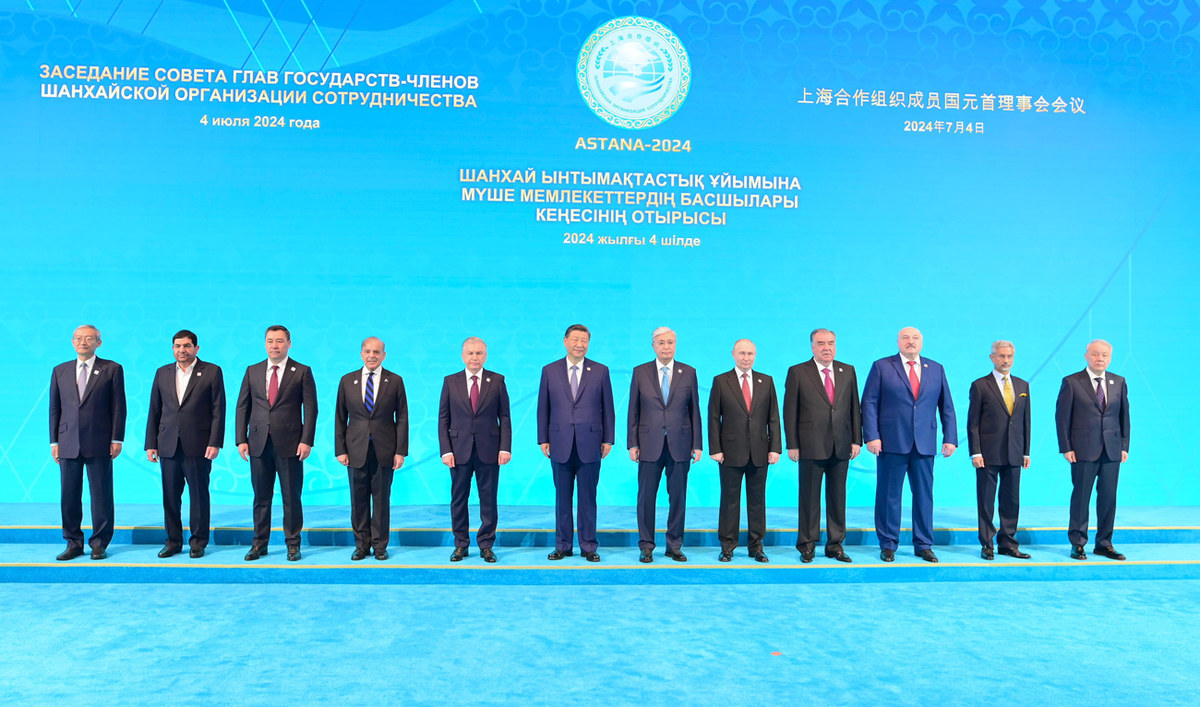
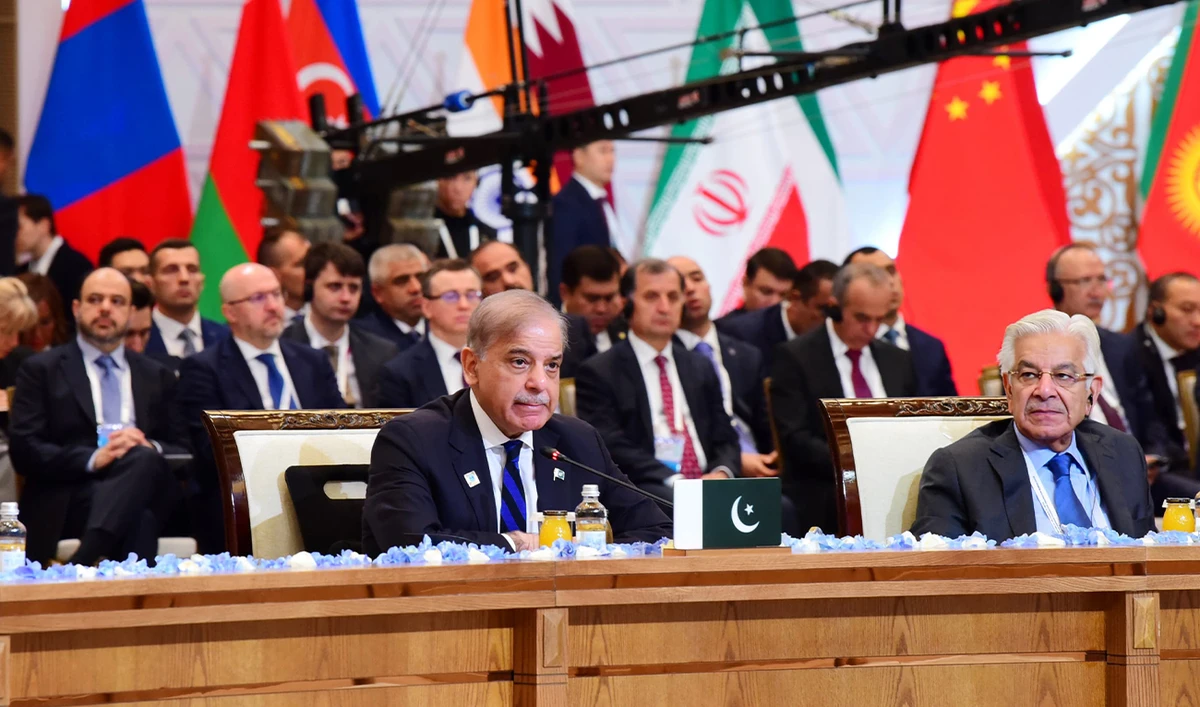
Sharif is in Astana to attend the SCO Plus One summit along with leaders and diplomats from China, India, Türkiye, Iran, Azerbaijan, Kyrgyzstan and other countries to review economic and security cooperation. Speaking on climate change, the Pakistani prime minister drew the world leaders’ attention to natural disasters triggered by climate change, saying it remains a “defining reality” of the current times.
“Generous financial and technological assistance to countries most vulnerable to climate change will enable them to rebuild from natural disasters and to adapt to the evermore frequent and ferocious climate impacts,” Sharif said.
The Pakistani premier said countries across the globe are struggling to cope with the socio-economic impacts of the coronavirus pandemic that triggered inequalities among states and within themselves.
The SCO Plus meeting included not only SCO member states but also observer nations and other invited guests. The expanded format aims to broaden the dialogue and cooperation beyond core member countries, engaging a wider range of nations in discussions on security, economic and cultural issues.
'IDEAL TRADE CONDUIT'
Earlier, Sharif spoke at a separate SCO Council of Heads of State summit in Astana where he highlighted the importance of Pakistan’s geographical location in the region, saying it could play a pivotal role to enhance economic connectivity in the neighborhood.
Sharif’s visit to the region comes at a time when his administration is trying to address a prolonged macroeconomic crisis faced by the country by seeking enhanced trade in the region.
The Pakistani prime minister held several meetings with the top leaders of different countries gathered at the occasion, promoting Pakistan as a trade and transit hub connecting the landlocked Central Asian Republics to the rest of the world via the Arabian Sea.
“Excellencies, SCO leaders have repeatedly underscored the importance of investing in the connectivity of the SCO region through efficient transport corridors and reliable supply chains,” he said while addressing the gathering. “It is time to put these words into action. Pakistan’s location makes it an ideal trade conduit for the entire region. The China-Pakistan Economic Corridor, the flagship project of Belt and Road initiative, supplements SCO vision of regional connectivity and economic interaction.”
He called for promoting the use of national currencies for mutual settlement within the SCO region, adding that it can help avoid international financial shocks.
“Pakistan also supports the proposal to create an SCO alternative development funding mechanism to give the needed impetus to various stalled development initiatives,” he said.
Reflecting on the global political situation, the prime minister urged the top SCO leaders to denounce Israel’s war on Gaza.
Sharif maintained the United Nations Security Council resolutions offered workable framework to resolve longstanding disputes, noting that failure to implement them had brought unimaginable suffering for people around the world.
“One of the worst examples is Palestine where over 37,000 innocent civilians, mostly women and children, have been killed and over two million have been displaced by Israel’s indiscriminate and unabated bombing,” he said.
“SCO must outrightly denounce this barbaric act and call for an immediate and unconditional ceasefire, leading to the implementation of a two-state solution which includes the establishment of Palestine as a viable, secure and contiguous state on the basis of pre-1967 borders with Al-Quds as its capital,” he said.
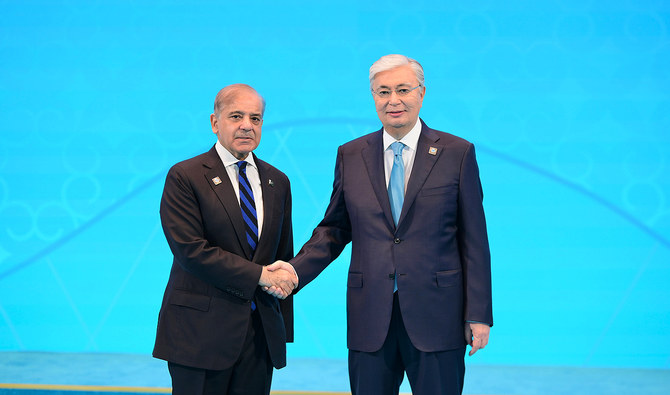
At the sidelines of the summit, Sharif met Belarus President Aleksandr Lukashenko, UN Secretary-General Antonio Guterres and also held talks with the presidents of Turkiye, Tajikistan, Kyrgyzstan and Azerbaijan. His interactions included discussions on matters of mutual interest between Pakistan and these countries, the Prime Minister’s Office (PMO) said.