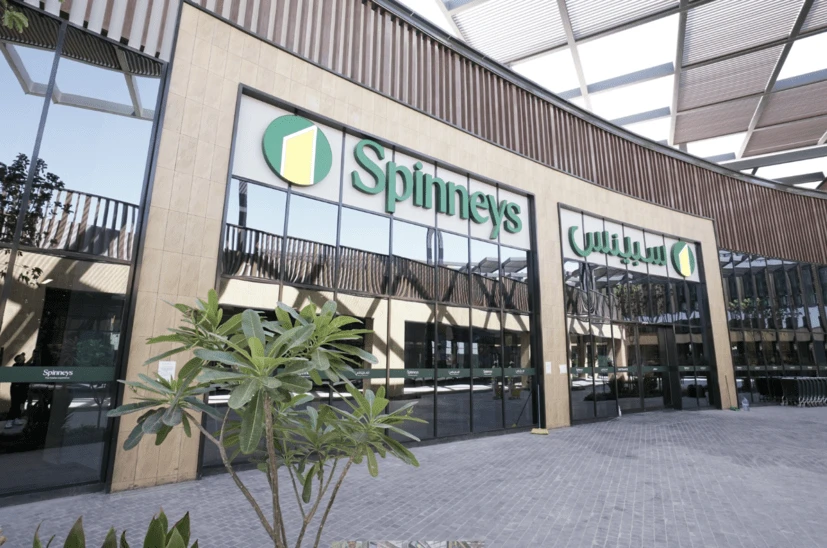
RIYADH: Dubai-based supermarket chain Spinneys has made its debut in Saudi Arabia by launching its first store in Riyadh’s La Strada Yard.
The 43,520 sq. ft. flagship outlet in Riyadh’s emerging mixed-use development marks the beginning of Spinneys’ expansion strategy in the capital city and Jeddah, aiming to cater to the increasing preference for high-quality grocery choices across the Kingdom.
The company said its first store aims to deliver a “premium shopping experience” with a wide range of imported goods, locally sourced products, international brands, and an exclusive private label selection.
This comes as Spinneys’ initial public offering on the Dubai Financial Market, initially priced at $375 million, was oversubscribed 64 times, reaching $19.33 billion last month.
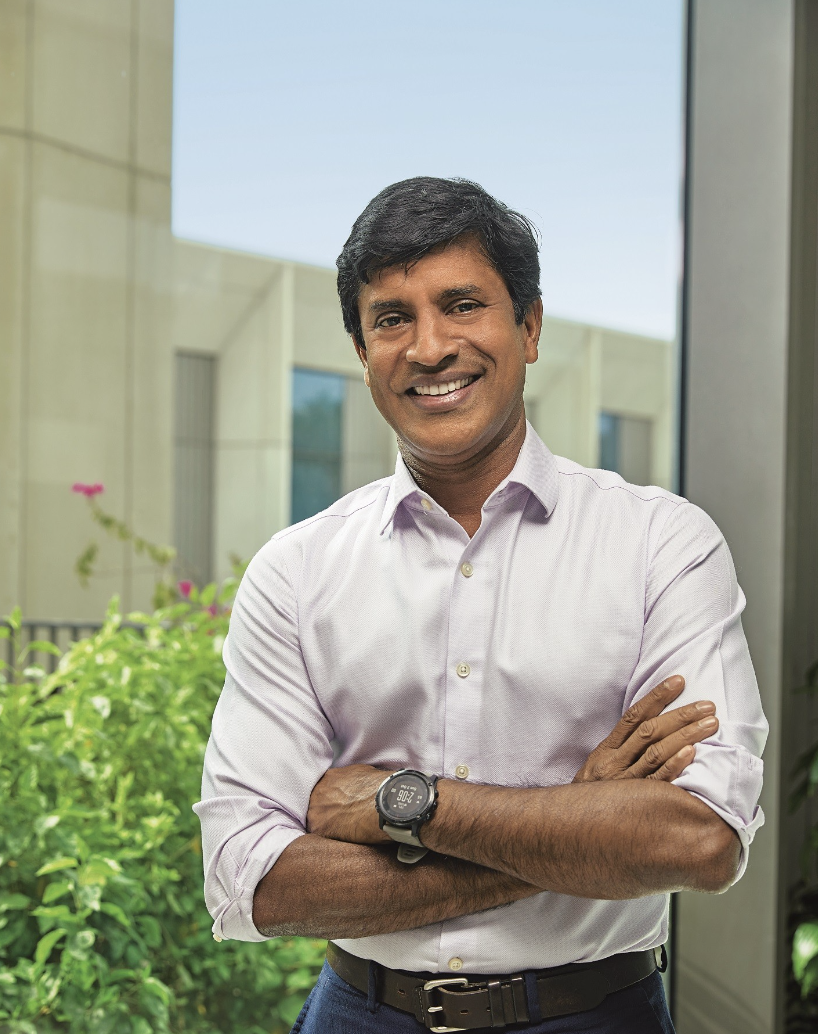
“At the time of our IPO, we were explicit about our ambitions in the Kingdom, and these are now coming to fruition. We see a massive whitespace opportunity in Saudi Arabia, with sectoral growth supported by favorable macroeconomic and consumer trends,” Sunil Kumar, CEO of Spinneys, told Arab News.
He emphasized that the local grocery market is experiencing rapidly increasing demand for a fresh, high-quality offering that squarely fits their expertise.
“By entering Saudi Arabia now, we believe that we are gaining an early mover advantage in establishing Spinneys as the pre-eminent premium grocer,” he said.
Kumar revealed that the company has ambitious targets for its inaugural store, aiming to achieve performance levels similar to those of one of its key community stores in the UAE.
“As our first store, we expect Spinneys La Strada to benefit from drawing customers from a broader geographic base than it would in a city where we have an existing footprint,” the CEO said.
He added: “Our immediate goals are to offer customers in these areas a truly differentiated shopping experience, with a focus on premium fresh food, convenience and outstanding service.”
He highlighted the company’s on-site production capabilities at La Strada, which are set to enhance economies of scale and are crucial for its fresh food offerings and profitability.
“These facilities will have an important role in supplying fresh food to other Riyadh locations as we expand across the city,” Kumar added.
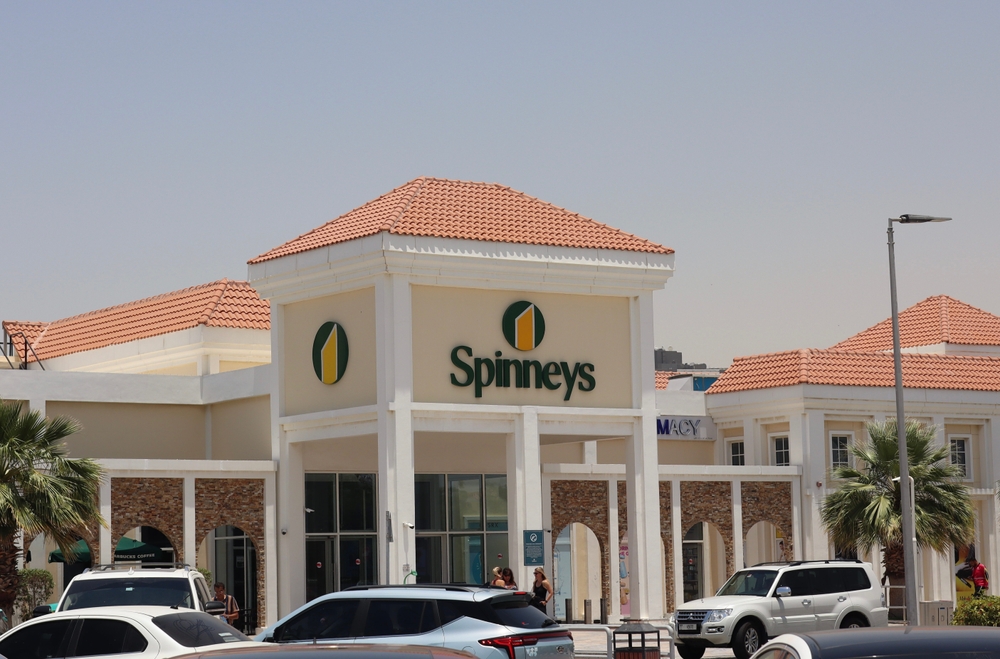
Spinneys operates a total of 79 stores across Saudi Arabia, the UAE, and Oman, with a combined sales area of 880,000 sq. ft. across all markets.
The company aims to open three additional locations in Riyadh and Jeddah by year-end, positioning itself to operate up to 12 stores in Saudi Arabia by 2028.
Following the flagship La Strada Riyadh location, Spinneys’ next project will be an 11,636 sq. ft. store in the King Abdullah Financial District in Riyadh.
The company is also targeting opening 25 new stores in the UAE between 2024 and 2028, with recent launches and expansions underway.
Kumar explained that their strategy includes like-for-like store growth, exploiting white space opportunities, and introducing the Kitchen by Spinneys concept, as well as expanding their hyperlocal e-commerce channel, Spinneys Swift, and optimizing operational efficiencies.
Saudi market
In terms of locations, Spinneys wants to concentrate on establishing a robust presence in Saudi Arabia’s most affluent and populous cities, namely Riyadh and Jeddah.
“There are a few reasons for this. First off, these are economic powerhouses and population hubs, with Riyadh comprising 27 percent of the national population and Jeddah 25 percent,” Kumar said.
He further highlighted the significant expatriate population in the Kingdom, currently at 42 percent and projected to reach 50 percent by 2040, which he sees as an “important factor” for Spinneys’ market proposition.
“Secondly,” he continued, “the disposable income levels in Riyadh and Jeddah are compelling, around $13,300 and $12,250 per capita respectively as of 2022.”
He added: “With a projected 6.4 percent CAGR for the Kingdom’s affluent population between 2022 and 2028, and particularly in view of our premium positioning, the purchasing power of families and individuals is important.”
Looking at the Saudi market more broadly, Kumar noted that disposable incomes are rising, inflation is relatively low, and transformative initiatives like Saudi Vision 2030 are driving long-term diversification.
“All of this creates a very attractive environment for business growth,” said the CEO.
With its leadership in the UAE, Spinneys plans to replicate and adapt its offerings in the Kingdom’s burgeoning premium grocery segment. “Our core store concepts won’t deviate radically from other GCC (Gulf Cooperation Council) markets, but we have carefully tailored the in-store experience and product assortment to align with distinct Saudi preferences,” explained Kumar.
The company asserts that it has done in-depth market research to understand unique Saudi tastes, consumer behaviors, and cultural traditions, which will be reflected in its stores. Kumar stated that the goal is to offer “a truly localized shopping experience” that combines global sourcing with authentic local flair.
Supply chain
The UAE-based firm recognizes the importance of establishing a robust supply chain infrastructure and local production capability. It aims to leverage its “vertically integrated” sourcing model, which Kumar notes has been a key competitive advantage in other GCC markets.
“We are already ensuring it plays the same role for our Saudi business,” Kumar said.
The facilities at La Strada will supply other stores in Riyadh as they open, and Spinneys plans to establish in-house production facilities in Jeddah as well. “Our local production model enables us to optimize our supply chain, reduce food miles, and maintain the exceptional freshness and quality standards our brand is known for,” said the CEO.
The company has “well-established” relationships with over 870 suppliers in 44 countries, facilitated through its own subsidiaries in major sourcing hubs such as the US, the UK and Australia. “Our Saudi customers will benefit from this supply chain in the same way that our customers in the UAE and Oman have done,” Kumar explained.
Spinneys insists that its diverse global network, along with its proximity to producers, enables significant cost efficiencies. “It’s also a key driver of our sustainability commitment, minimizing food waste while adhering to the highest environmental and social standards. Replicating the Spinneys supply chain model in Saudi Arabia is essential to maintaining our competitive edge,” he emphasized.
White space opportunity
Spinneys sees a significant white space opportunity in the Saudi grocery market, which Kumar describes as “too compelling to ignore.”
Citing third-party research, Kumar highlighted that the Kingdom’s overall grocery retail white space is set to reach 86 million sq. ft. by 2033, adding: “To put that into perspective, this is equivalent space for almost 1,200 Spinneys stores. As of today, we’re opening a much smaller number of stores than that, but we have a good deal of headroom in what we see as a vast, underpenetrated market that is ripe for a genuinely premium offering.”
Kumar emphasizes that it’s not just about white space; he points to a powerful confluence of structural tailwinds driving growth in the Saudi retail landscape. “The affluent population that belongs to our “target market” is forecast to expand at a 6.4 percent CAGR through 2028. This means that Spinneys’ target market is growing at a rate that outpaces the wider grocery market,” he said.
In Riyadh and Jeddah, Spinneys anticipates its target market will grow at a CAGR of 6.7 percent from 2022 to 2028, outpacing the broader Saudi grocery market, which is expected to grow at a CAGR of 4.8 percent over the same period.
Spinneys outlets in Saudi Arabia are operated through a joint venture formed in 2022 with Abdul Mohsen Al Hokair Holding Group.
Kumar emphasized: “Our respective interests are closely aligned, and we share the same ambition to make the Spinneys brand a champion in Saudi Arabia’s premium grocery segment.”
He added that their partner plays a crucial role in navigating the local business and regulatory landscape, as well as in identifying and securing the most attractive locations to open stores.
“This is a partnership we are very excited about, and we have every expectation that it will continue to flourish in the years to come,” Kumar concluded.