



RIYADH: Saudi Arabia is using artificial intelligence technologies to enhance traffic management and alleviate congestion in Makkah during the annual Hajj season, ultimately providing a more secure and seamless pilgrimage experience.
Having hosted 1,845,045 pilgrims in the 2023 season, according to Saudi Arabia’s General Authority of Statistics, efficient traffic control measures are more important than ever.
By implementing AI-powered solutions, such as real-time traffic monitoring and adaptive signal control systems, Saudi Arabia aims to streamline the flow of vehicles and pedestrians, reducing bottlenecks and ensuring smoother movement throughout the city.
Col. Talal bin Abdulmohsen Al-Shalhoub, security spokesperson at the Ministry of Interior, told Arab News there are several new AI applications for this Hajj season, including new algorithms for surveillance cameras to analyze the number of vehicles on the city’s streets.
“We have supplied advanced digital equipment for data, artificial intelligence, and cutting-edge technology to assist field officials and incorporate AI into operational systems,” Al-Shalhoub said.

“We are utilizing AI technologies to enhance traffic control in Makkah by leveraging the collaboration between the Civil Defense and the Saudi Data and AI Authority.”
This partnership will offer digital solutions to assist security personnel in monitoring and analyzing data during Hajj operations.
“The cooperation between these authorities allowed us to establish an integrated advanced technology system during this year’s Hajj season, where operations centers are equipped with smart platforms built with national artificial intelligence algorithms to serve the pilgrims during their performance of Hajj rituals,” Al-Shalhoub added.
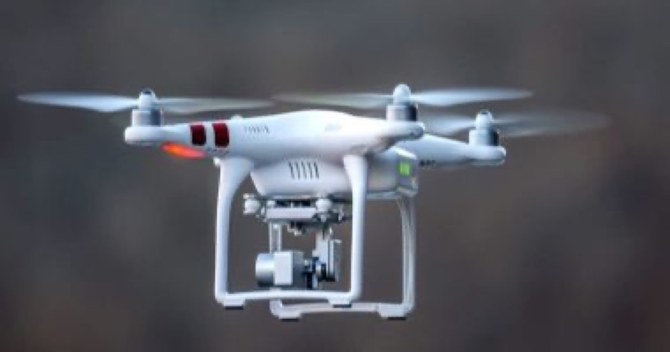
Saleh Al-Jasser, the Kingdom’s minister of transport and logistics, recently announced the rollout of new technologies designed to manage traffic during Hajj this year, including the use of drones for road network inspection and evaluation using thermal scanning.
Meanwhile, the Virtual Glasses Initiative is revolutionizing transport monitoring by equipping field monitors with augmented reality glasses to supervise activities and ensure compliance.
With a target to cut inspection times by 600 percent, from 60 seconds to just 10 seconds, it is hoped that this innovative technology will streamline operations and significantly improve efficiency.

“Cameras, intelligent systems, and sophisticated data dashboards, like the Sawaher platform, offer advanced services for identifying and analyzing the flow of vehicles and pilgrims, as well as for detecting violations in different areas,” Al-Shalhoub said.
By improving monitoring quality and easing congestion, the initiative is providing a more seamless transport experience for passengers.
The initiative is currently being tested on a fleet of 100 buses to assess its effectiveness.
The Ministry of Health will also be using drones to quickly and efficiently transport blood and laboratory samples between hospitals around the holy sites to help cut waiting times for transfusions and test results.
Compared with the existing system of making deliveries by road, drones will reduce the time needed to transport blood from an average of two and a half hours to just two minutes.
Opinion
This section contains relevant reference points, placed in (Opinion field)
The Public Transport Authority has also launched the “Enseeyab” initiative, first introduced during Hajj season 2023, using drones connected to an AI program to measure the real-time movement of pilgrims to the holy sites by bus.
The authority aims to provide safe means of travel using new technologies, including AI, to measure their effectiveness. These technologies will ensure pilgrims can perform rituals in comfort and with ease.

Another way authorities will be managing traffic congestion during Hajj is through micro-mobility options, such as electric scooters, which will be available at the holy sites to facilitate movement.
By providing designated paths for these electric scooters, planners have allowed pilgrims to travel more efficiently and reduce the overall congestion in high-traffic areas.
Some of the key routes that could benefit from the use of electric scooters include Route No.1 from Arafat to Muzdalifah border, which is 4,000 meters in length, and the 1,200m pedestrian road bridge entering and exiting Jamarat.
These technology-driven solutions reflect the country’s commitment to use innovations to optimize the Hajj experience for all participants.

Through the integration of AI into traffic management systems, Saudi Arabia can adapt to changing conditions and address issues quickly.
This proactive stance helps to alleviate congestion and enhance the overall efficiency of transport networks during Hajj.


