ISLAMABAD: Pakistan will detail major socio-economic achievements of the outgoing fiscal year in the Economic Survey 2023-24 document released today, Tuesday, a day before the South Asian nation announces the budget for the next fiscal year.
Pakistan’s coalition government is expected to lay out ambitious fiscal targets in the 2024-25 budget on Wednesday that will help strengthen its case for a new bailout deal with the International Monetary Fund. Pakistan is in talks with the lender for a loan estimated to be anything between $6 billion to $8 billion to avert a default for an economy that is growing at the slowest pace in the region.
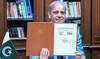
“Finance Minister Senator Muhammad Aurangzeb will launch Economic Survey 2023-24 in a ceremony [in Islamabad],” the finance ministry said in a statement on Monday.
The survey will include details about performance and economic trends of various sectors, including agriculture, industry, services, energy, information technology and telecom, capital markets, health, education, transport and communications.
Annual trends of major economic indicators regarding inflation, trade and payments, public debt, population, employment, climate change, and social protections are also part of the economic survey document released each year a day before the budget.
On Monday, Pakistan’s top economic body approved various proposals for the upcoming budget, particularly with regards to the inclusion of China-Pakistan Economic Corridor (CPEC) and foreign investment projects in the development plan.
“The federation will ensure consultation with provinces and stakeholders so that decisions are made through collective wisdom and consensus for economic revival of the country,” Prime Minister Shehbaz Sharif said at a meeting of the country’s National Economic Council (NEC) in Islamabad.
Pakistan narrowly averted default last summer thanks to a short-term IMF bailout of $3 billion over nine months.
While its fiscal and external deficits have been brought under control, it came at the expense of a sharp drop in growth and industrial activity as well as high inflation, which averaged close to 30 percent in the last financial year and 24.52 percent over the last 11 months.
The growth target for the upcoming year is expected to be higher at 3.6 percent compared to 2 percent this year and economic contraction last year.


![]()

Pakistan unveils Economic Survey 2023-24 ahead of annual budget

Short Url
https://arab.news/9fztc
Pakistan unveils Economic Survey 2023-24 ahead of annual budget
- The survey will include details about performance and trends of various sectors in outgoing fiscal year
- Pakistan’s coalition government expected to lay out ambitious fiscal targets in the budget on Wednesday
Latest updates



© 2026 SAUDI RESEARCH & PUBLISHING COMPANY, All Rights Reserved And subject to Terms of Use Agreement.