- With $500 million pledged, this is the biggest contribution that a sovereign country has ever given to the polio eradication program
RIYADH: The Bill and Melinda Gates Foundation and the Saudi aid agency KSrelief have announced a joint push to eradicate polio, improve global health, and alleviate poverty.
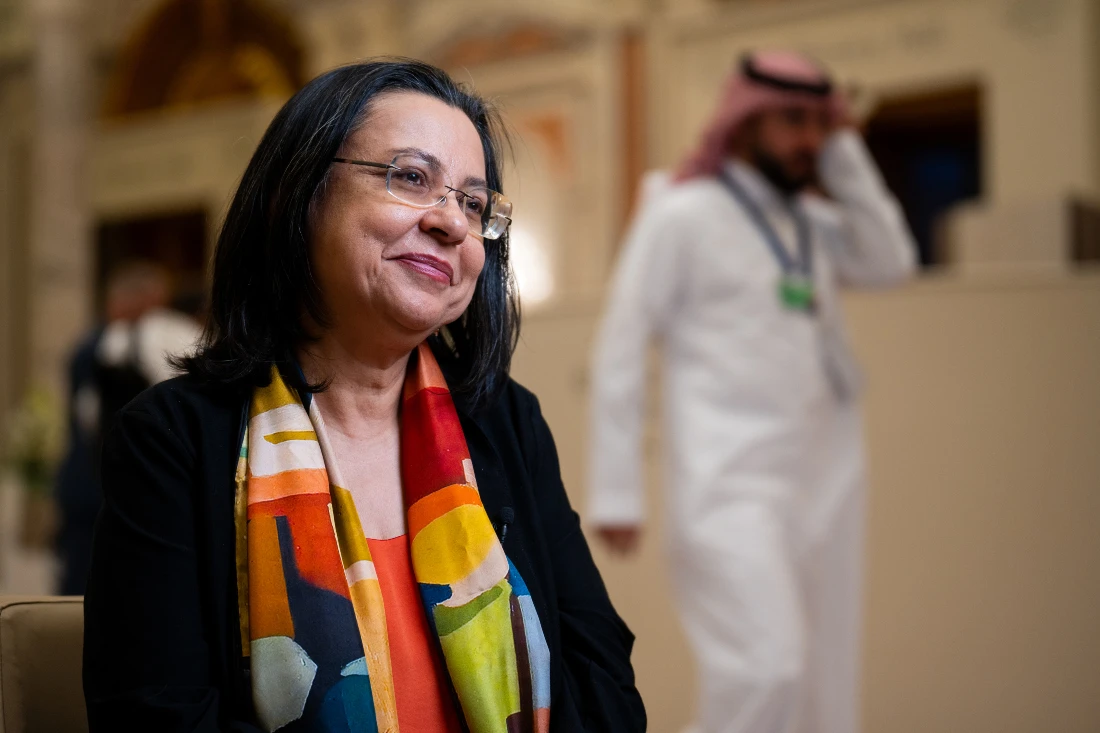
At the World Economic Forum’s special meeting in Riyadh, Anita Zaidi, president of the foundation’s gender equality division, told Arab News: “This is a really momentous occasion for us to really expand our partnership with the Kingdom of Saudi Arabia.
“It’s the biggest contribution that a sovereign country has ever given to the polio eradication program, and it’s really a signal for how governments in the Middle East, like the Kingdom of Saudi Arabia and other Gulf countries, are really stepping up to play their part in global health and development.”
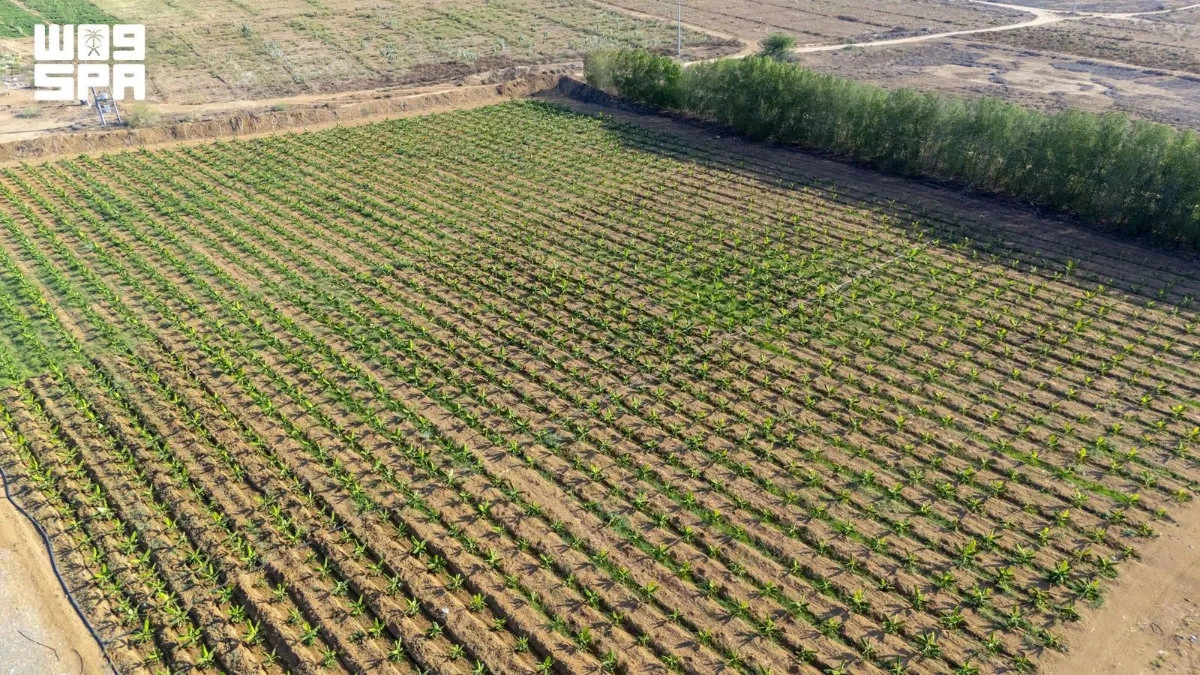
Saudi Arabia will contribute $100 million to support the Lives and Livelihoods Fund, the largest multilateral development initiative in the Middle East. The fund aims to lift the poorest people out of poverty in 33 Islamic Development Bank member countries through investments to strengthen primary healthcare, eliminate preventable infectious diseases, support smallholder farming and rural agriculture, and improve basic infrastructure.
Both parties are also allocating $4 million as a relief grant in response to the humanitarian crisis in Gaza, which is profoundly affecting women and children. The grant, to be distributed through UNICEF, aims to provide health interventions and access to basic water and sanitation services.
Saudi Arabia has pledged $500 million over the next five years to the Global Polio Eradication Initiative, which will help to deliver vital health services and polio vaccines to underserved populations through the World Health Organization and UNICEF.
The Kingdom and the Gates Foundation have pledged $3 million and $15 million respectively over three years to support the Polio Legacy Challenge administered by the IsDB, with contributions from Saudi Arabia, the UAE and Qatar under the patronage of the WHO Regional Office for the Eastern Mediterranean’s subcommittee for polio eradication and outbreaks.
To implement the programmes, the Gates Foundation will establish a regional office in Riyadh — in Mohammed bin Salman Nonprofit City — in partnership with the Mohammed bin Salman Foundation to support youth engagement and effectiveness of the third sector.
The partnership between Saudi Arabia and the Gates Foundation has been in the works for several months, and as the WEF meeting for the first time since the pandemic takes place outside Davos, the urgency of announcing the cooperation became evident, Zaidi said.
The announcement also coincides with the IsDB’s 50th anniversary this week.
This new commitment from Saudi Arabia is the largest multi-year pledge by a sovereign donor to the current GPEI strategy, ensuring that essential health services are provided to hundreds of millions of children each year.
When Africa became free of wild polio in 2020, it left Pakistan and Afghanistan as the only countries where wild polio is endemic.
“There is a special relationship between these countries and Saudi Arabia, so that thought partnership and those relationships, (you ask:) how do you work with these countries? How do you partner more deeply? All of that is important for polio eradication,” Zaidi said.
The direct engagement of countries in the Middle East, including Saudi Arabia, has helped drive the number of polio cases in those countries down from more than 300 in 2014 to 12 in 2023. The GPEI will continue to need resources until polio case numbers reach zero and the world is certified polio-free.
Global health is hugely reliant on women, who comprise 70 percent of the sector’s workforce. But women in senior roles, those who have worked on the ground to understand the eradication process of such diseases, are still lacking.
“We are really trying to change, to hear more women’s voices,” Zaidi said. “And that was part of the program in Pakistan where, for the first time, we surveyed the frontline health workers and asked: what is it that you face in your daily work that is keeping you from doing your best work? What ideas do you have for convincing people whose families are refusing polio vaccination? How do you best communicate the message? All of that has really led to so many better changes in the program,” she added.
One of the foundation’s key focuses is the lack of progress in women’s health, including stagnant maternal mortality rates in the past 10 years — 200,000 women die every year as a result of childbirth. The foundation funded a McKinsey report published at January’s WEF session that highlighted the economic cost of women in poor health.
“We really need to invest in training and retention of the frontline health workers around the world. But the other part is all the new ideas and the new innovations that we can get out to women,” Zaidi said.
Now there are innovations that measure postpartum blood loss, an annual single-injection iron IV for anemia, and ultrasounds facilitated by artificial intelligence awaiting investment and implementation. “These (are) really exciting things that we can now do to really bring down deaths during pregnancy and delivery,” she said.
Zaidi noted that global health intersects with other sectors and industries as the WEF becomes the backdrop for these essential correlations.
“Having a forum like WEF to really talk about these issues is key. And that’s why we launched the Global Health Alliance, a global alliance for women’s health as well, which is bringing in a lot of different types of thinkers who understand this issue to really solve it,” she said.