BEIRUT: Lebanon’s parliament on Thursday delayed municipal elections for a third time in two years, state media reported, as militants in the country’s south exchanged near-daily fire with Israel for over six months.
The powerful Iran-backed Hezbollah group has been trading fire with Israeli forces across the border since the day after its Palestinian ally Hamas carried out a deadly attack on Israel on October 7, triggering the ongoing war in the Gaza Strip.
Lebanon is supposed to hold municipal elections every six years, but cash-strapped authorities last held a local ballot in 2016.
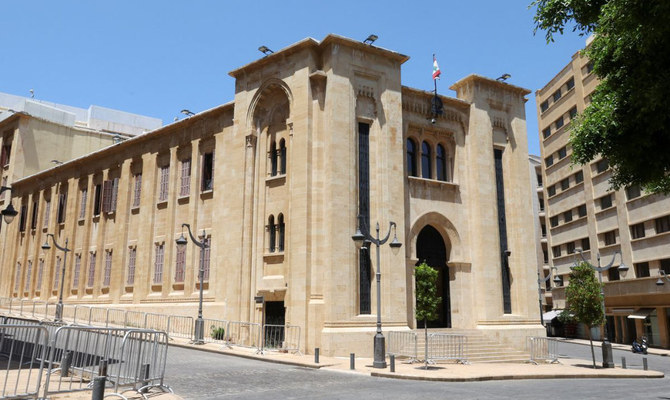
Parliament approved “extending the existing municipal and elective councils’ mandate until a date no later than May 31, 2025,” despite objections from lawmakers opposed to Hezbollah, said the official National News Agency.
The bill cited “complex security, military and political circumstances following the Israeli aggression on Lebanon” and especially its south, near the border, as reasons for the delay.
Lawmakers did not set a new date for the elections, initially scheduled for 2022.
Local councils help provide basic services to residents, but their role has declined as state coffers ran dry after Lebanon’s economy collapsed in late 2019.
Parliament Speaker Nabih Berri had previously said southern Lebanon could not be excluded from any upcoming ballot, after the Christian Lebanese Forces, the main party opposing Hezbollah, insisted on holding the polls on time.
More than 92,000 people have been displaced from their homes in Lebanon due to the violence, as have tens of thousands of residents of Israeli communities across the border.
Since violence began along the Israeli border on October 8, at least 380 people have been killed in Lebanon, including 72 civilians, according to an AFP tally.
Israel says 11 soldiers and eight civilians have been killed on its side of the border.
In April 2023, the Lebanese parliament had already postponed municipal elections as the deputy speaker warned holding them was “almost impossible” for the cash-strapped country after years of economic meltdown.
Lebanon has faced the prolonged financial crisis and months of border clashes essentially leaderless, without a president and headed by a caretaker government with limited powers amid deadlock between entrenched political barons.


![]()

Lebanon postpones local elections again as violence rocks south
Short Url
https://arab.news/vrngk
Lebanon postpones local elections again as violence rocks south
- Lebanon is supposed to hold municipal elections every six years
- Parliament approved “extending the existing municipal and elective councils’ mandate until a date no later than May 31, 2025,” despite objections from lawmakers opposed to Hezbollah


Latest updates


Recommended


© 2026 SAUDI RESEARCH & PUBLISHING COMPANY, All Rights Reserved And subject to Terms of Use Agreement.