

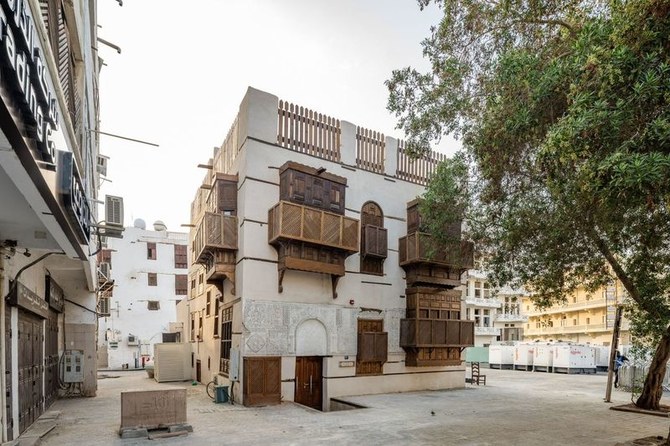

Jeddah: Nawaf Alfadly, the projects manager of the heritage assets restoration department for the Jeddah Historic District Program, emphasized the initiative’s goal of revitalizing heritage buildings to enhance the experience of visitors and residents, aiming to transform the area into a prominent tourist destination.
In an interview with Arab News, Alfadly highlighted the importance of safeguarding Saudi Arabia’s historical heritage, citing Crown Prince Mohammed bin Salman’s 2018 project to preserve 56 heritage buildings in Al-Balad as evidence of commitment to this cause.
The historic significance of Jeddah’s buildings lies in their spiritual and material value, serving as a cultural hub and pilgrimage gateway due to the city’s unique location and commercial role. To this end, the crown prince allocated SR50 million ($13.3 million) from his personal funds to strengthen and preserve 56 heritage buildings in Al-Balad, underscoring the commitment to safeguarding the Kingdom’s architectural and cultural legacy.

The restoration program aims to not only repair the buildings but also repurpose them for hotels, residences, and cultural spaces. (Supplied)
The program seeks to enrich the experiences of visitors and residents alike while preserving the Kingdom’s historical heritage. With the engagement of local and international specialists, the program ensures the preservation of buildings’ historical authenticity and architectural identity.
Alfadly said: “The Jeddah Historic District Program aims to preserve the historical significance of Al-Balad’s ancient buildings, covering an area of approximately 2.5 sq. km.”
The restoration program not only focuses on restoring the structural integrity of these buildings but also aims to repurpose them for hotels, residences, and cultural spaces. By revitalizing these heritage buildings, the program seeks to enhance the experience of visitors and residents, making the area a major tourist attraction while safeguarding the Kingdom’s historical heritage.
“In general, the program involves restoring 650 historic buildings through specialized studies and detailed planning, followed by comprehensive structural and architectural restoration. These buildings are then repurposed for hotel, residential, and cultural uses, aligning with the overall plan for Historic Jeddah,” Alfadly said.
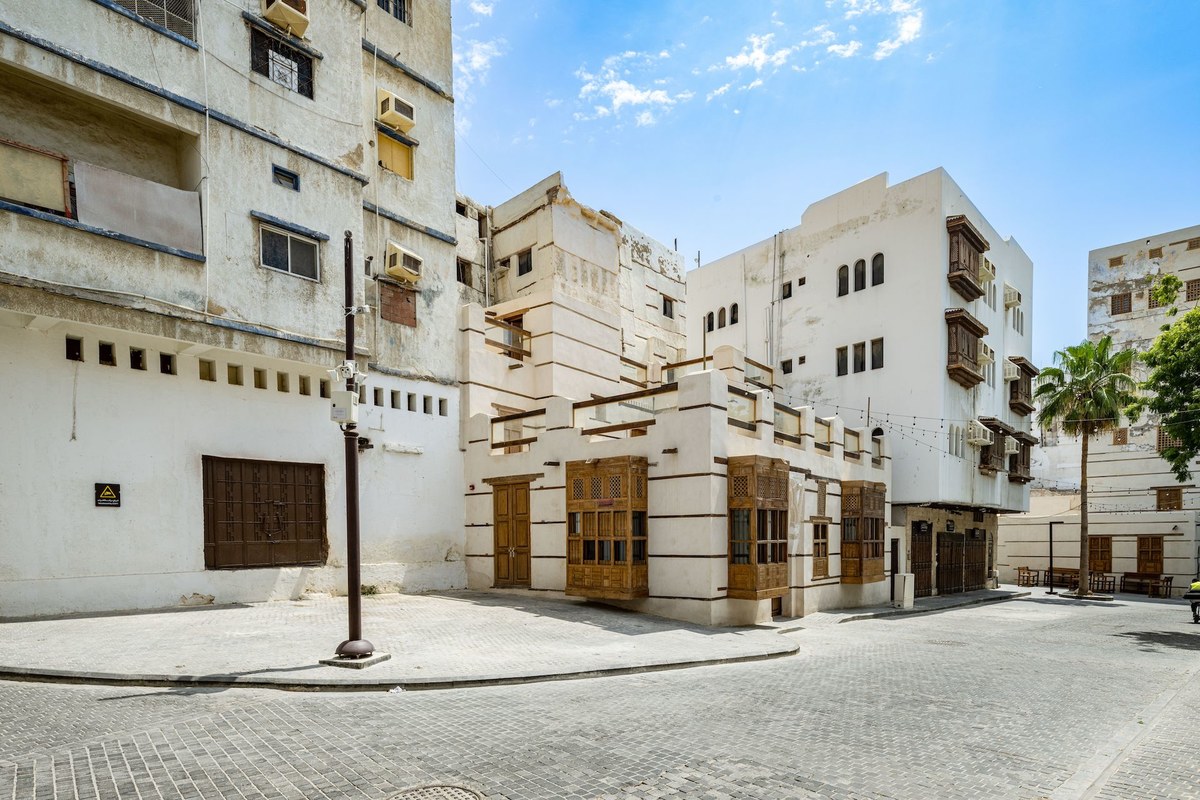
Jeddah Historic program aims to enrich the experiences of visitors and residents, making the area a major tourist attraction while safeguarding the historical heritage of the Kingdom. (Supplied)
The Historic Jeddah area gained UNESCO World Heritage Site status in 2014. Consequently, all activities there adhere to charters and guidelines set by international organizations, notably UNESCO. Restoration of these houses involves collaboration among specialists, utilizing both local and international expertise to preserve their historical authenticity and architectural identity.
Anoud Al-Shaikh, assistant director of heritage and preservation at the Jeddah Historic District Program, said: “One of the main challenges encountered during the restoration of heritage buildings in the Historic Jeddah area is preserving the historical value of the building. Restoration, reinforcement, and rescue efforts not only focus on restoration but also prioritize the preservation of architectural features.”
Under the crown prince’s direction, the Ministry of Culture formed teams for restoring Jeddah’s historic buildings, prioritizing preservation of its unique architectural heritage.
In 2021, the crown prince initiated the Revitalization of Historic Jeddah project to develop the area into a business and cultural hub while safeguarding its charm. Several buildings, some dating back 500 years, were preserved with a focus on architecturally significant structures including mosques, marketplaces, and squares.
The district boasts over 600 buildings, including 36 mosques and five historical markets, significant to Muslim pilgrims. Besides the alleys and squares, the old waterfront, a crucial pilgrimage route, will be reconstructed to narrate the history of pilgrimage to Historic Jeddah visitors.


