

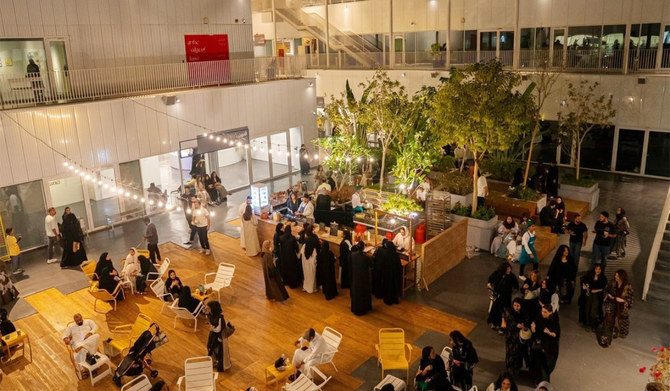


JEDDAH: The inaugural Ramadan Nights at Jeddah’s Hayy Jameel cultural center features a range of activities including workshops, film screenings, dining experiences, and shopping options.
Highlighting the importance of community, culture, and well-being, the event will take place every Wednesday to Saturday over 14 nights during Ramadan catering for all ages and backgrounds.
Ramadan Nights takes place every Wednesday to Saturday over 14 nights during Ramadan catering to all ages and backgrounds. (Instagram/hayyjameel)
Ramadan Nights includes local artisanal crafts, books, organic seasonal produce, accessories, clothing, and gifts at Hayy Markets. The platform provides the creative community with a space to exhibit their products, engage with customers, and raise awareness about local initiatives that champion sustainability, well-being, and artistic practices.
Rahma Al-Harbi, founder of Sigo and a first-time participant at Hayy Markets, told Arab News: “I am selling souvenirs that are locally authentic and reflect the rich culture of Saudi Arabia and its various cities.
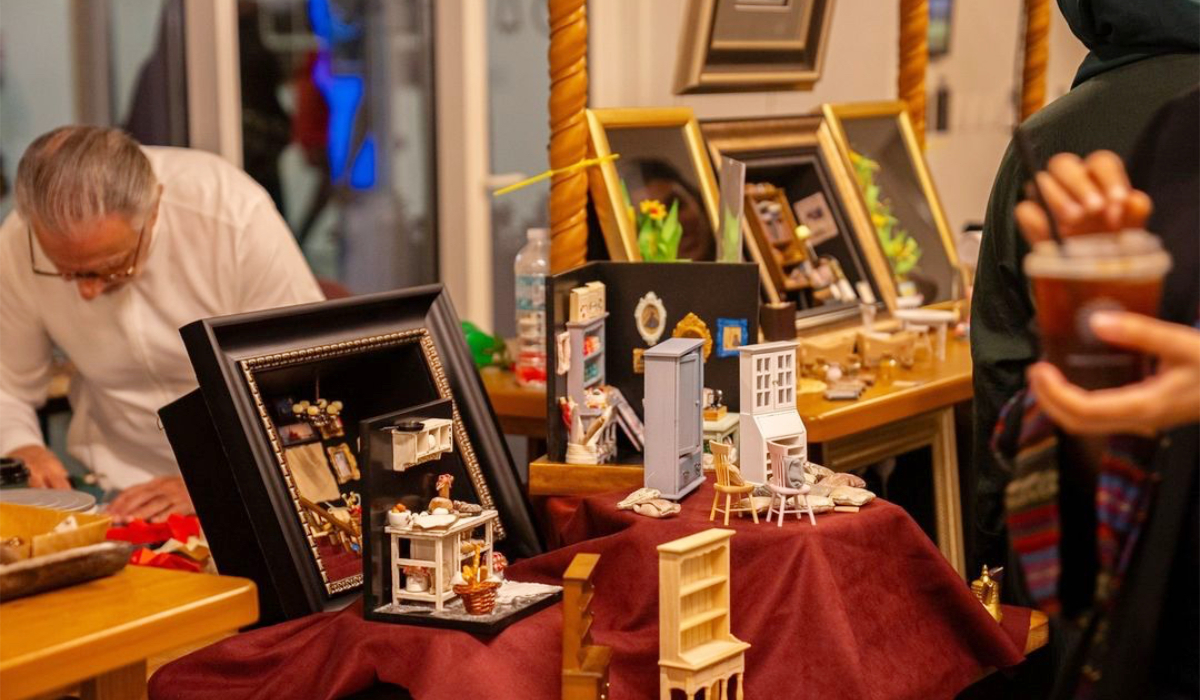
Ramadan Nights takes place every Wednesday to Saturday over 14 nights during Ramadan catering to all ages and backgrounds. (Instagram/hayyjameel)
“We also offer traditional games that have been reimagined in a modern style, each representing different aspects of cities such as Diriyah and AlUla. The interaction with customers is truly unique, and we manage to sell all our products every week.”
Samar Allarakia, an artist and designer, said: “I create limited-edition abayas by painting and printing on fabrics exclusively for Hayy Jameel. Each time I sell out, I restock.
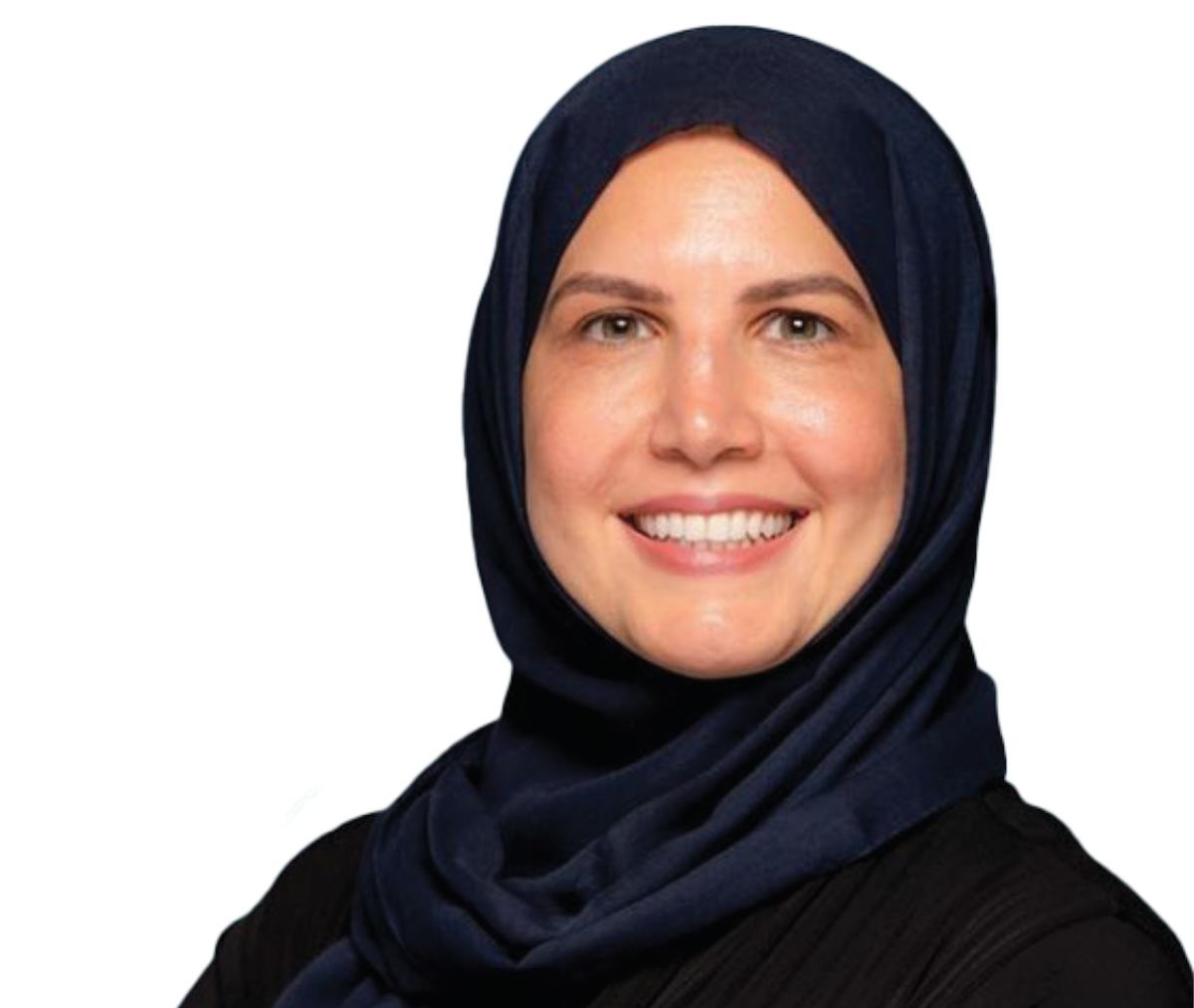
Hadeel Al-Abbasi, Qanaateer founder
“I also offer handmade items specifically for this bazaar. The response has been incredible, and customers have shown great love for my work. I look forward to collaborating further with Hayy Jameel.”
Raghad Bawazir, the founder of FouZentric, said: “Our brand features 100 percent handmade abayas, dresses, and bags in a boho style. The crowd’s response has been incredible, and people truly appreciate our trendy boho designs.”
I am thrilled to be a part of this initiative and to share Islamic and cultural traditions with children.
Hadeel Al-Abbasi, Qanaateer founder
Carlota Martin, founder of Root Spain and Kids at the Patio, said: “We are showcasing two unique brands at this market. The Root specializes in gourmet Spanish food, including exceptional products like extra virgin olive oil, artisanal flower petal jams, and marron glace (candied chestnuts).
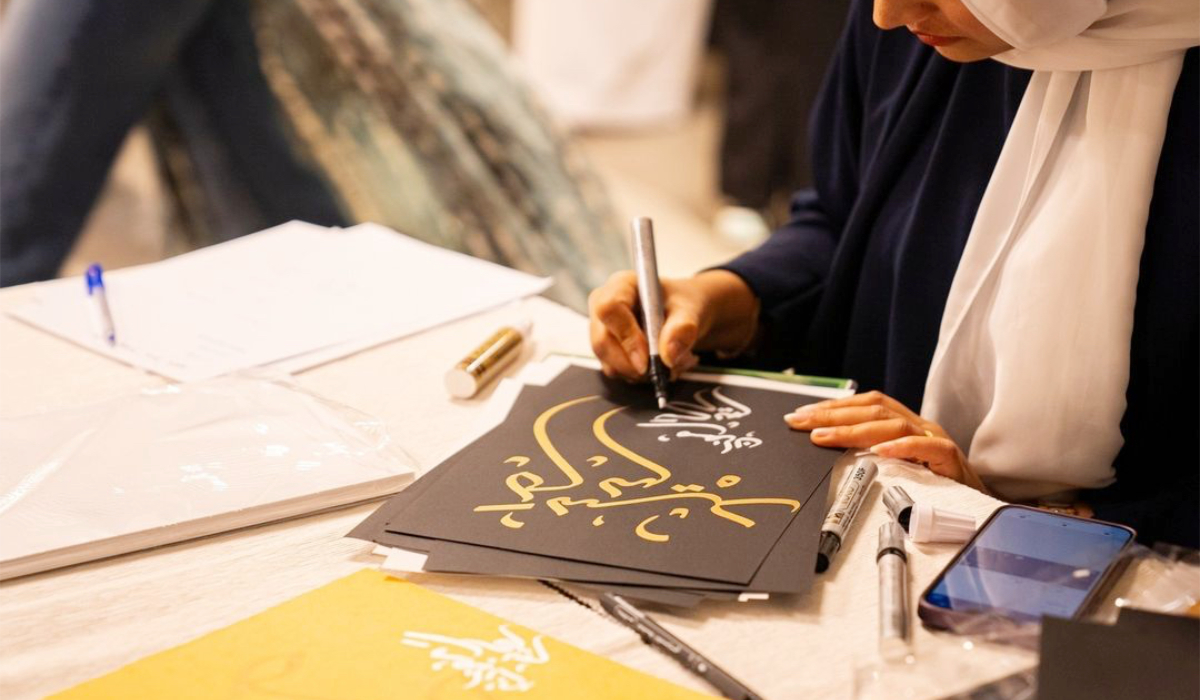
Ramadan Nights takes place every Wednesday to Saturday over 14 nights during Ramadan catering to all ages and backgrounds. (Instagram/hayyjameel)
“We also offer elegant marble bowl and spoon hampers to complement our offerings.
“Our kids’ brand features stylish clothing for newborns to children, catering to both boys and girls. Visitors are loving our products and are eager to learn more. I am grateful for the invitation from Hayy Jameel.”
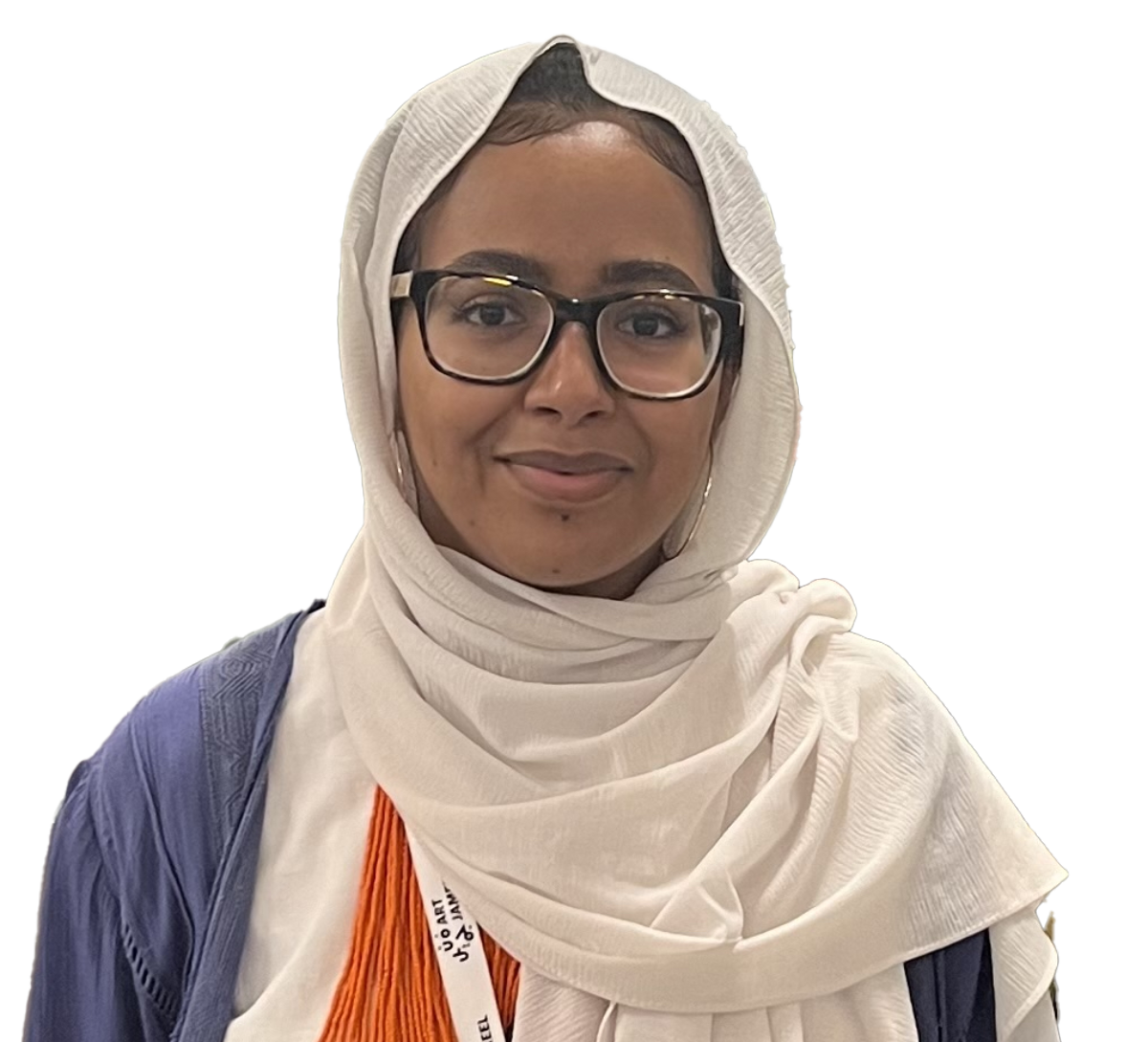
Eiman Elnaiem, Hayy Jameel public programs manager
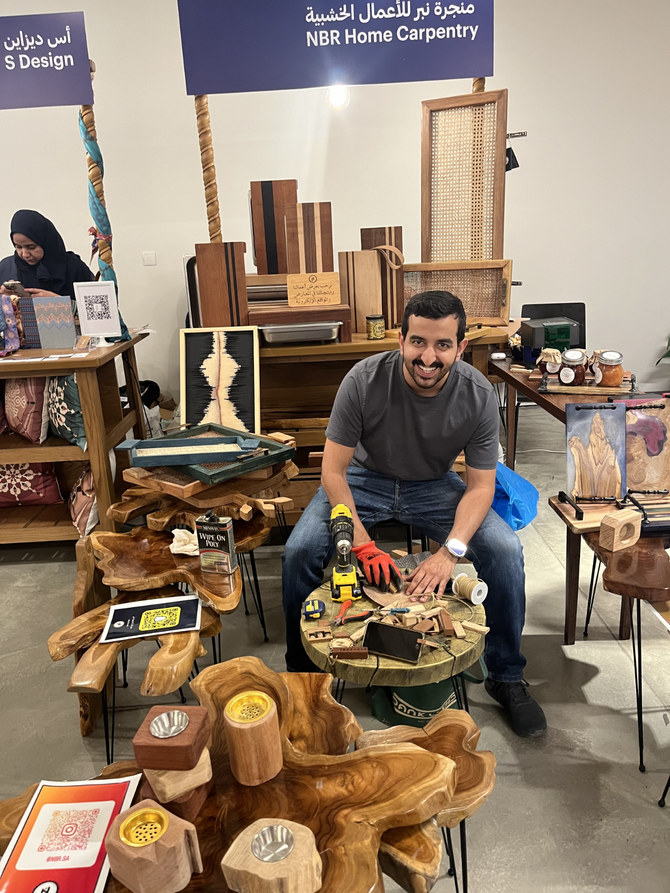
Abdullah Alsilani, a carpenter and the founder of NBR Carpentry, presents wood-carving sessions. He said his business focused on creating custom designs based on requests and its product range included tables, candle stands, kitchen items, and keychains.
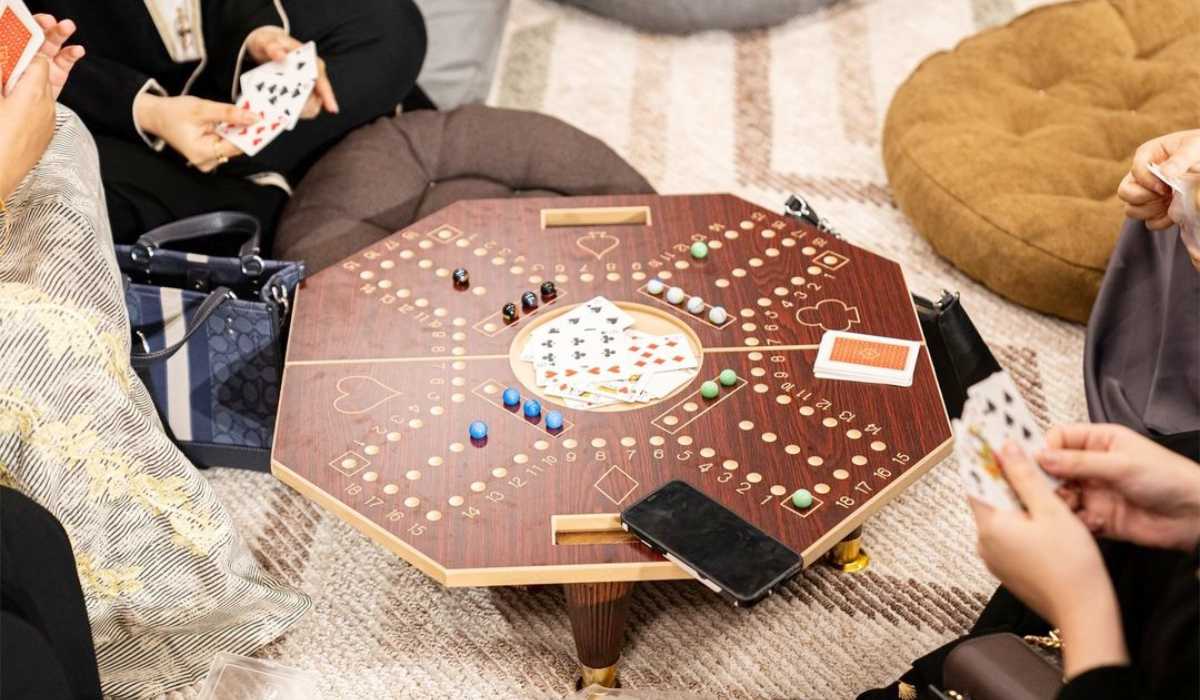
Anas Bukhari and Kholoud Faqih, the founders of JED Board Games who frequently collaborate with Hayy Jameel. Faqih said: “We provide a diverse array of challenging board games, offering over 150 options for this Ramadan Nights program.
Ramadan Nights has community at the heart of it all … and it is incredible to see Hayy Jameel buzzing at every corner.
Eiman Elnaiem, Hayy Jameel public programs manager
“Our community has been thriving as we aim to educate individuals about the world of board games. By spreading awareness and knowledge about these games, we hope to encourage more people to step away from electronic devices.
“During Ramadan, it’s a perfect opportunity for families and friends to come together, spend quality time, and enjoy the experience of playing board games.”
During Ramadan, Hayy Cinema presents a selection of local and international films, offering the opportunity to unwind and relax after iftar until midnight.
The program also features Hayy Explorer which provides children with a chance to dig into Islamic arts, participate in games, and discover culinary traditions from different regions in Saudi Arabia.
Hadeel Felemban, who oversees Hayy Explorer, said: “We have storytellers sharing tales of food from Baha and Aseer. We’ve partnered with Akwan to host a fun games night for kids, featuring memory card games for Ramadan and activities to build Arabic alphabets.
“Kids can also enjoy hands-on activities like making mamoul (dates cookies), drawing sessions, and art projects. Each session lasts for one hour and can accommodate up to 20 children.”
The Arabic language institute, Qanaateer, has been highlighting the traditions and history of the Arabian Peninsula through art, stories, and culture for kids.
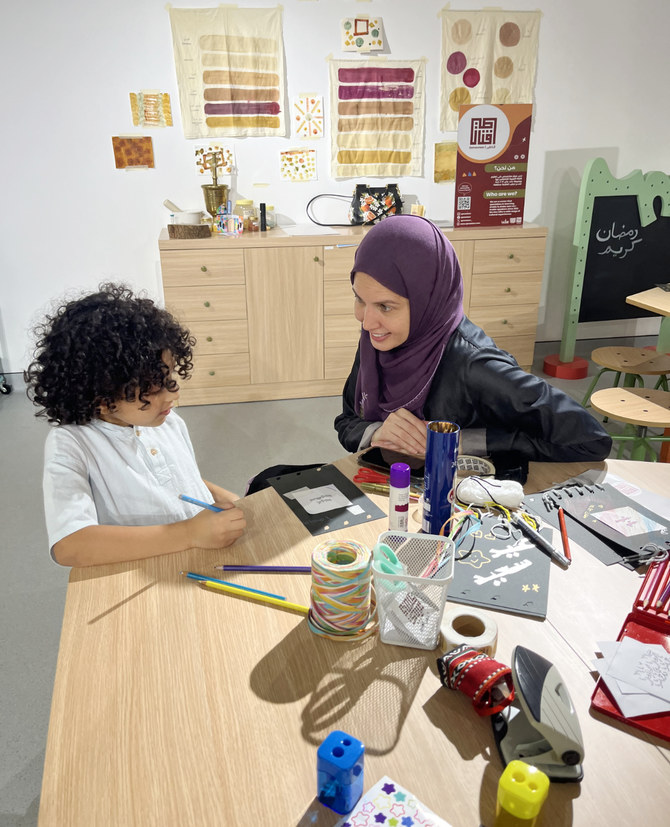
Qanaateer founder, Hadeel Al-Abbasi, said: “We are collaborating on weekends to teach artwork, Arabic fonts, creating Eid carpets, crafting Ramadan lanterns with wishes and prayers, and more.
“Everything is thoughtfully organized at Hayy Jameel. I am thrilled to be a part of this initiative and to share Islamic and cultural traditions with children.”
At a session hosted at Project Space by Hayy Learning’s teaching artists Nayla Attar and Sahrish Ali, participants explored the Holy Qur’an, and shared stories, recipes, and memories.
Maria Alem, senior manager at Hayy Jameel’s learning program, said: “For Ramadan Nights, we immersed ourselves in discussions about the fruits mentioned in the Qur’an, expressing gratitude for their blessings. This was followed by a creative printmaking session where participants crafted prints inspired by these fruits.
“They also reflected on personal recipes that hold special meaning, translating them into beautiful lino prints.”
Regarding a workshop on making a sobia blend using sourdough and dates, a healthier alternative to the staple Hejazi drink, Maram Murad, from Health in a Jar, said: “I came to Saudi Arabia with an idea to revive the art of fermented foods and started Health in a Jar six years ago, specializing in fermented food.
“We conduct workshops on fermented foods like sourdough, kombucha, kimchi, and during Ramadan, we focus on sobia.
“Collaborating with Hayy Jameel, we offered a healthy version of sobia during Ramadan with dates, raisins, and sourdough bread. It’s amazing to see the community’s growing interest in learning the process of making sobia is truly inspiring.”
Public programs manager, Eiman Elnaiem, said that the inaugural cultural Ramadan program was all about celebrating togetherness, community spirit, and well-being.
“The program has been developed with something for anyone and everyone in mind — from Hayy Markets and its selection of artisanal crafts, books, design, gifts, and local produce by entrepreneurs and creatives from across Saudi Arabia to film screenings at Hayy Cinema, children’s activities centered on storytelling, games, and reminders of the meaning of Ramadan and reflective and inspiring talks, workshops, live calligraphy, and performances celebrating tradition, customs, and shared values,” Elnaiem added.
She also noted the variety of food and beverage options available across Hayy Jameel.
“Ramadan Nights has community at the heart of it all. It is for the community, by the community, and it is incredible to see Hayy Jameel buzzing at every corner, including those curious to explore our current exhibition ‘At the Edge of Land’ in Hayy Arts, as well as Hayy residents in their spaces.
“The Ramadan program has been such a success, introducing us and bringing new audiences to Hayy Jameel. We hope it continues to grow and become the place to be each and every Ramadan for the years to come.
“We feel proud at Hayy Jameel to work with and support local collaborators and participants through the program, allowing them to share their passion, creativity, and connect with the wider community,” Elnaiem said.

keywords


