RIYADH: The month of Ramadan, with all its social gatherings, is a time for Saudis to update their wardrobes with traditional and contemporary fits for iftar and sahoor events.
Many abaya designers seize the opportunity to produce collections for Ramadan which they showcase on social media or at bazaars. Abaya fashion designer Jana Khojah created a collection of clothing for people aged 45 to 60 in an effort to broaden her brand’s appeal.
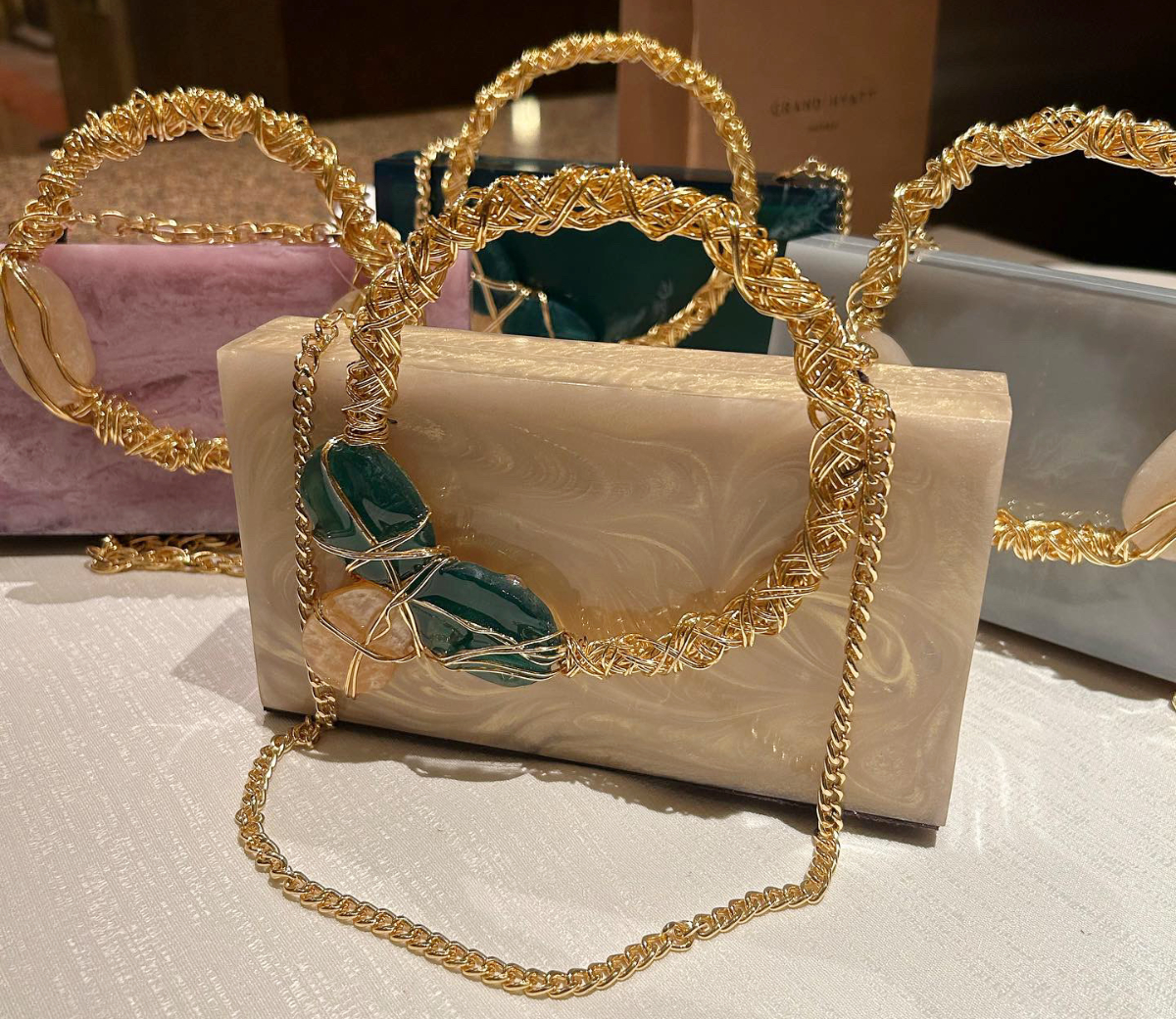
Jana Khojah’s handmade bags for her brand’s ramadan collection. (Supplied)
“We wanted our work to be all handmade with Ramadan pieces, and, of course, we used Swarovski for all our collections. This year we designed handmade bags to suit the atmosphere of Eid and Ramadan,” Khojah told Arab News.
The designer said that her sales surge by up to 90 percent during Ramadan and Eid, and that some items sell out fast.
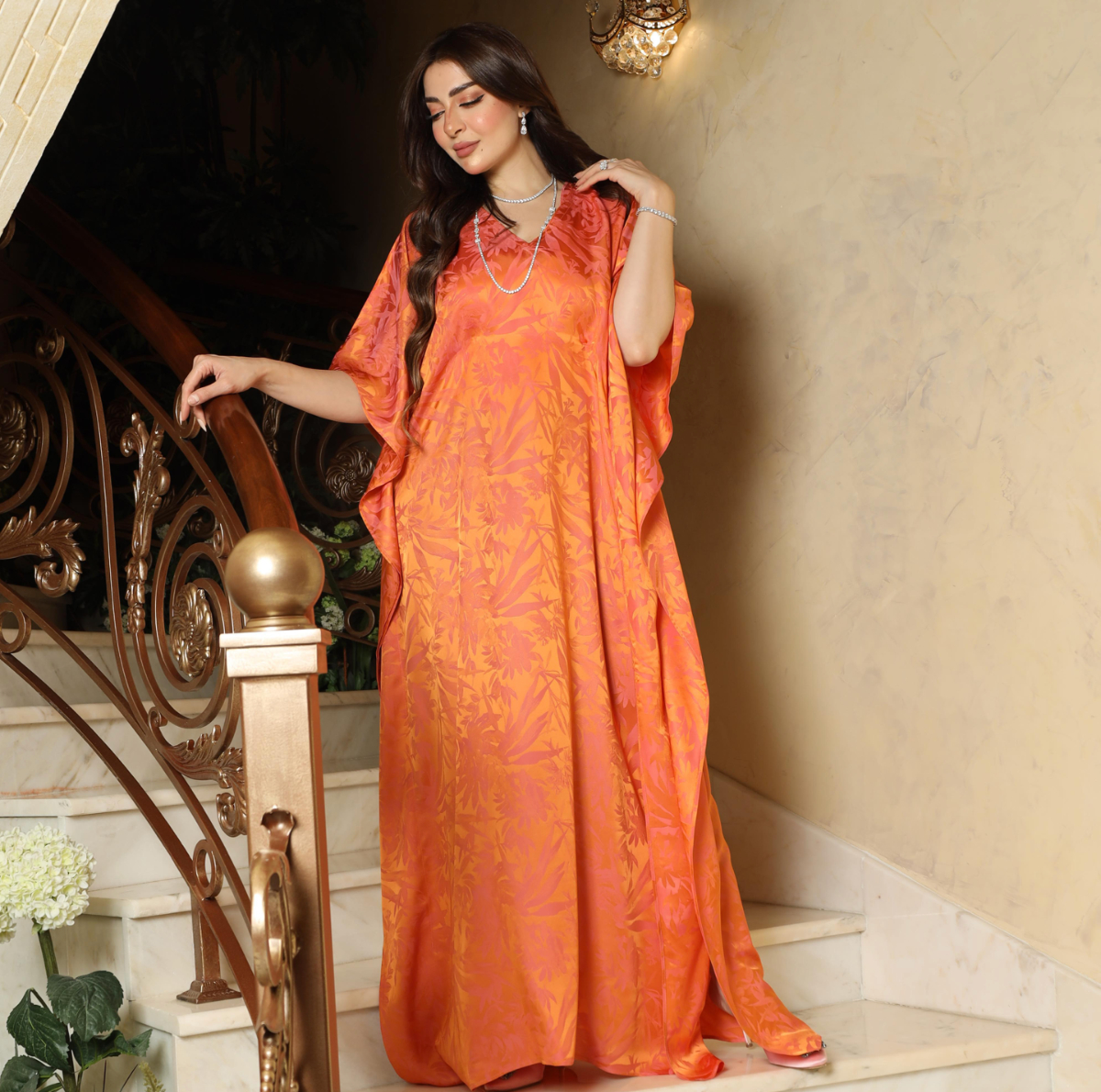
Ghaim Collection, the Saudi designer brand, always ensures that their Ramadan collection is unique and original to symbolize Arab culture and identity, as well. (Supplied)
Sahar Seen, another designer, said that her collection’s unique selling point is that it reflects the “grace and sophistication” of Saudi women’s fashion.
“This year is special for me because it’s my first time participating in Ramadan after a 12-year break and pursuing my passion for design and fashion,” she added.
HIGHLIGHTS
• Designers are experimenting with colors and designs of the jalabiya due to the demand for the traditional garment, a popular and comfortable clothing item for Ramadan.
• Saudi designer Sahar Seen says that her collection’s unique selling point is that it reflects the ‘grace and sophistication’ of Saudi women’s fashion.
• Ghaim Collection, designed by Saudis, launched a Ramadan collection that symbolizes local identity and Arab civilization.
Designers are also experimenting with colors and designs of the jalabiya due to the demand for the traditional garment, a popular and comfortable clothing item for Ramadan.
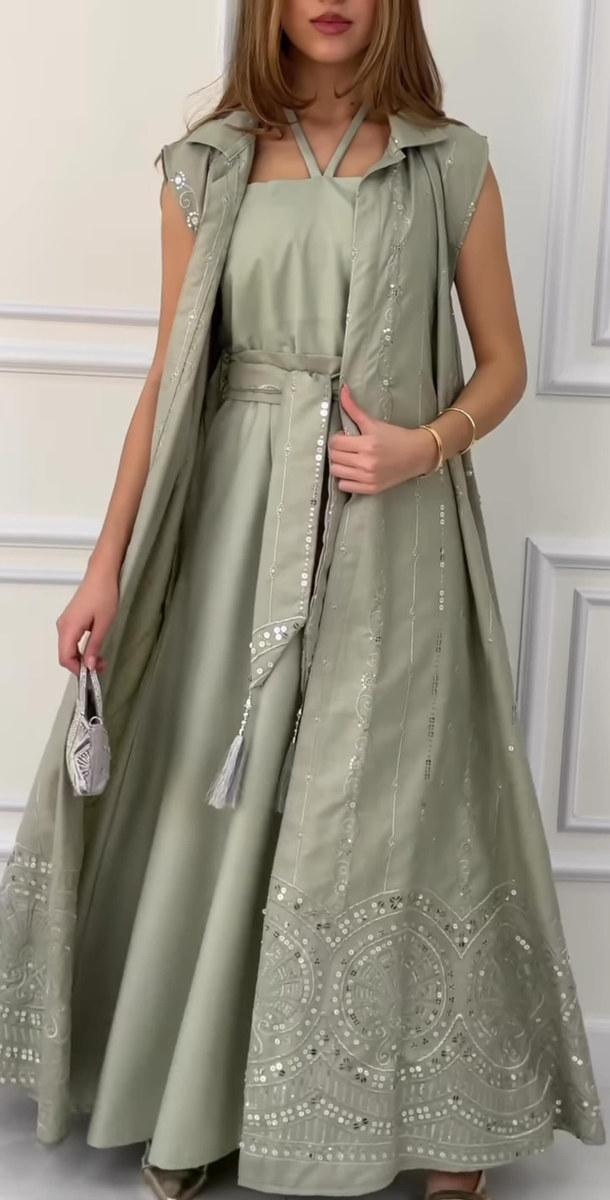
Abaya designer Sahar Seen says the collection's unique selling point is that it represents Saudi women's fashion as a model for the world. (Supplied)
The concept of Bashayer Al-Qounaibet’s Ramadan collection is “azimah,” which translates to “invitation” in Arabic, as the holy month is a time for get-togethers and invitations.
The classical designs prioritize sustainability, and Al-Qounaibet places a high value on the fabric and stitching used in each piece. Additionally, because each piece is made to order, there are no set sizes for her creations.
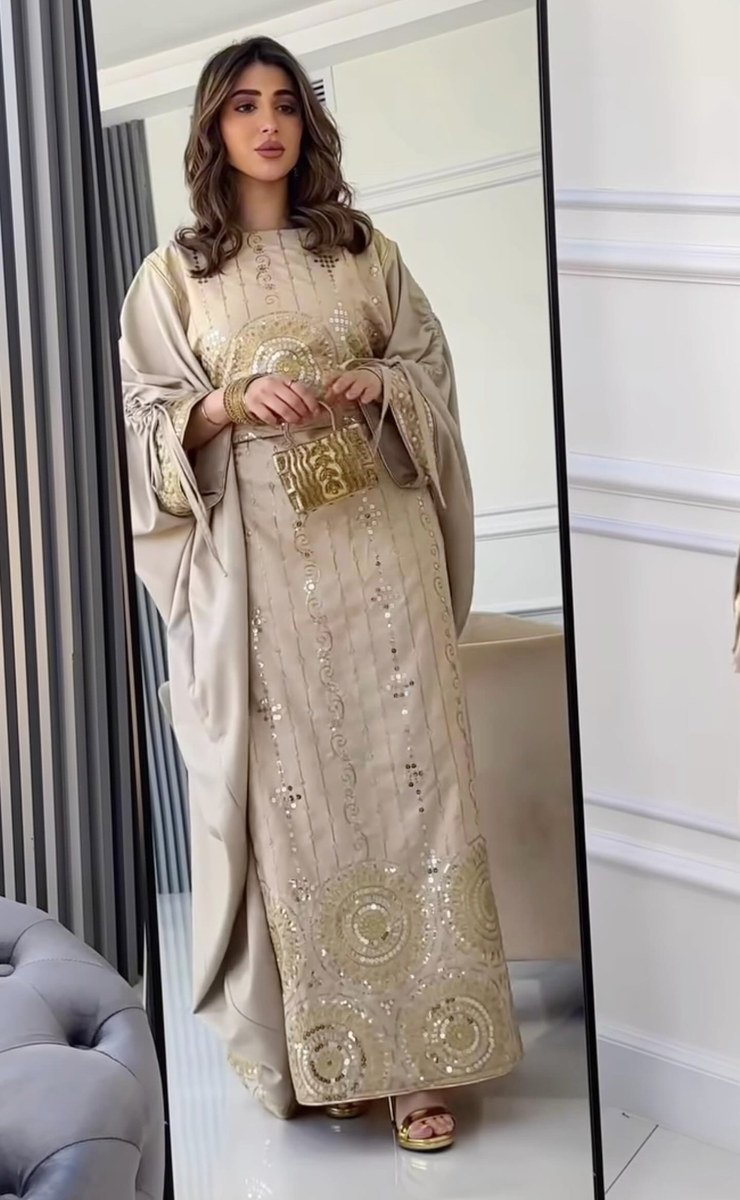
Abaya designer Sahar Seen says the collection's unique selling point is that it represents Saudi women's fashion as a model for the world. (Supplied)
“The pieces are suitable for the Saudi client and can be worn over and over without the fear of losing the trend because the pieces are timeless and they are modest.”
Ghada Al-Nuaman’s collection for Ramadan this year includes a trouser jalabiya, a dress and a skirt, to deviate from the traditional style of the garment. It is made in a variety of colors and from fabrics such as Indian linen, silk, cotton and tulle.
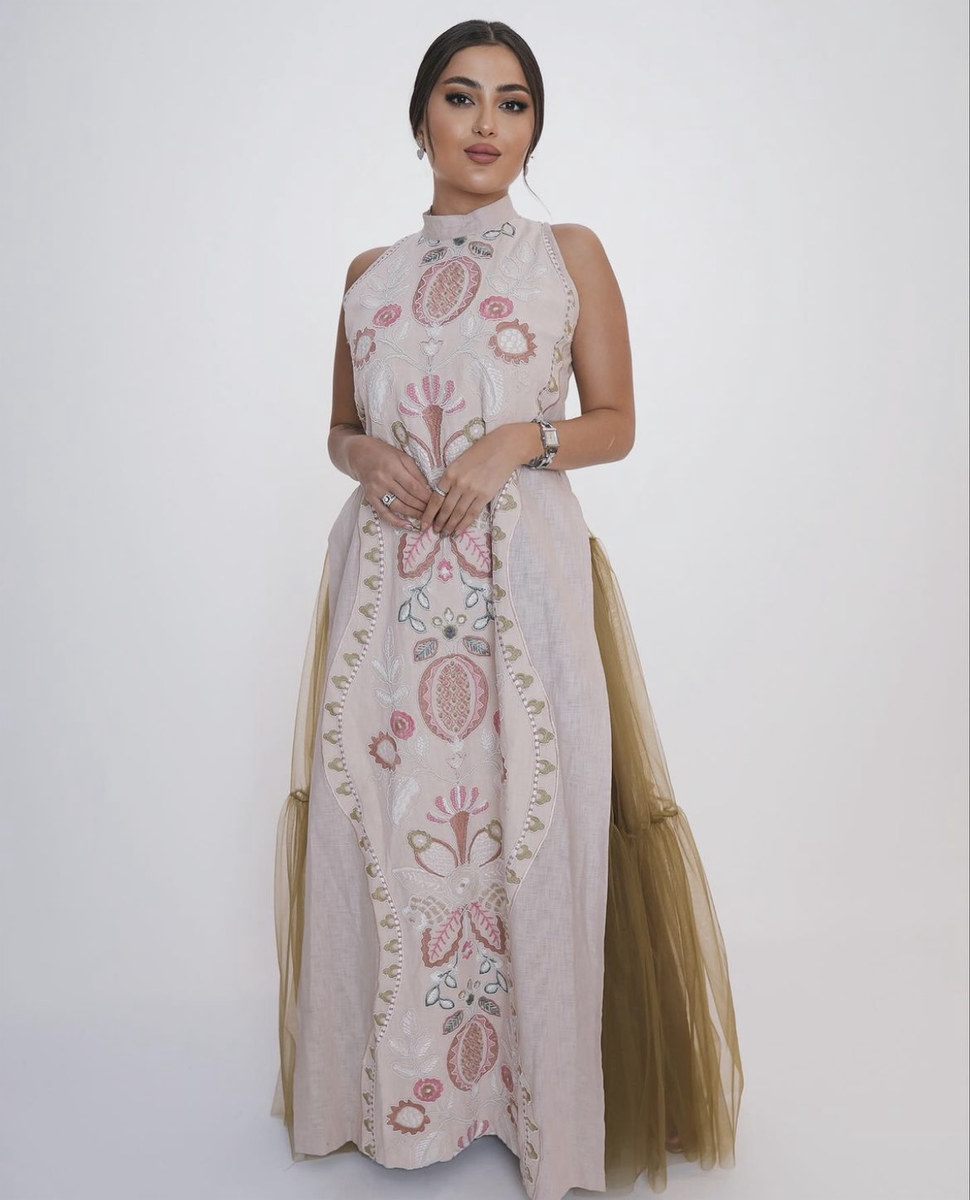
Ghada Al-Nuaman's Ramadan 2024 collection stood out for its different designs, which included the trouser Jalabiya, the dress, and the skirt, which deviated from the traditional Jalabiya, as well as a variety of fabrics and colors (Indian lenin, silk, cotton, and tulle). (Supplied)
“Our goal is to provide an ideal product that increases the elegance of Saudi and Gulf women,” said Al-Nuaman.
“The Ramadan collection is different from the rest of the year, because Gulf women focus on wearing jalabiyas during the month of Ramadan, and now with the increasing number of female designers, it requires me as a designer to provide the best product in terms of quality and elegance of design, and this in turn creates my identity,” she added.
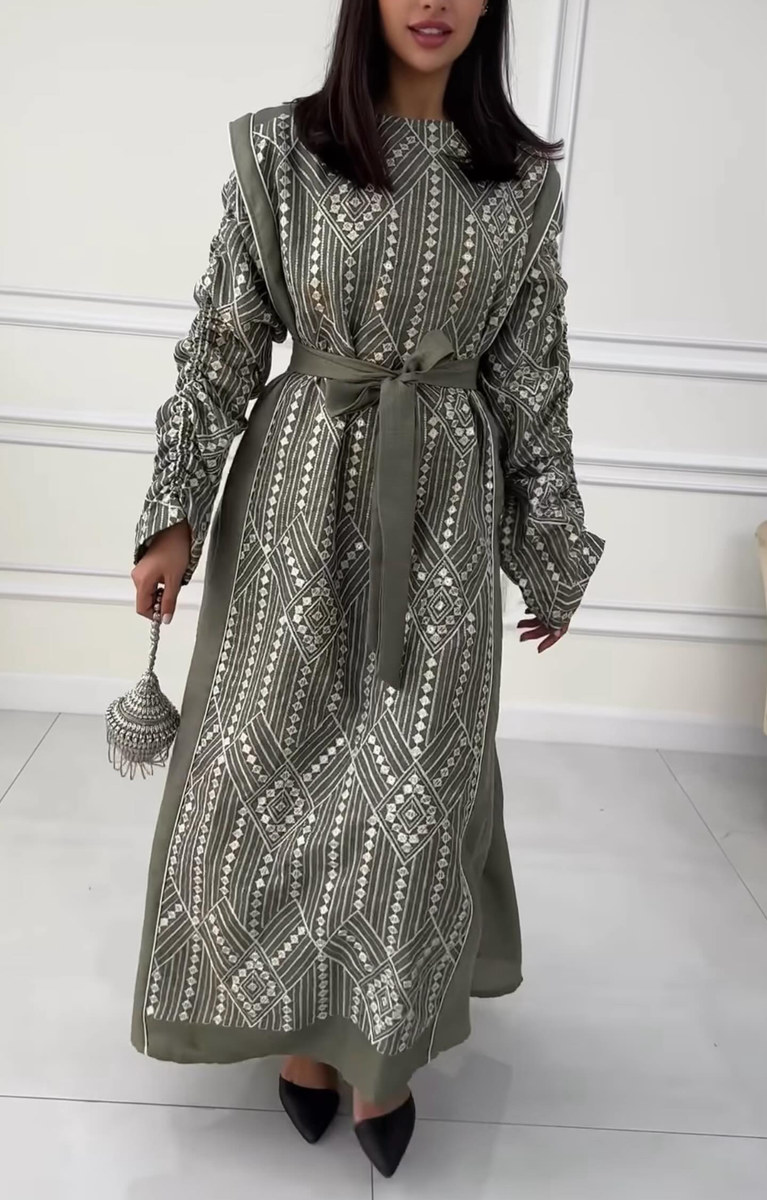
Abaya designer Sahar Seen says the collection's unique selling point is that it represents Saudi women's fashion as a model for the world. (Supplied)
Although there are many designers around the Gulf region, there has been a rise in Saudi female designers, Al-Nuaman said: “The Fashion Commission’s support for Saudi female designers by holding Ramadan exhibitions and allowing us to participate has contributed to the emergence of the Saudi designer and getting to know her more.”
Ghaim Collection, designed by Saudis, launched a Ramadan collection that symbolizes local identity and Arab civilization.
Stitch Label, a Saudi brand known for its creativity in stitching, created a collection called Gharza that features elegant designs that reflect the elevated style of Arab women.
“The month of Ramadan witnesses many social occasions, such as iftar, ghabgas and social visits which require special clothing appropriate to these occasions,” said Sara and Muneera Al-Yumna, the owners of the brand.
“Ramadan is an important month for us as Muslims and Arabs, and it has a special character. Launching special collections for the month of Ramadan is an opportunity to express creativity and add Arab touches that leave a positive impact on the local fashion industry, and enhance its position in the global market,” they added.
The Fashion Commission is eager to promote traditional clothing by organizing several events all year long and unique bazaars during Ramadan, like the Tashkeela exhibition.