RIYADH: One of the region’s leading optical retail chains, Magrabi Retail Group, reported double-digit growth in 2023, highlighting its adaptability in a rapidly evolving market landscape.
The company witnessed a 15 percent surge in total sales compared to the previous year, and a 30 percent increase in like-for-like sales under its Doctor M banner, surpassing previous expectations.
Yasser Taher, the company’s CEO attributed this growth to the expansion and development of the group’s property portfolio.
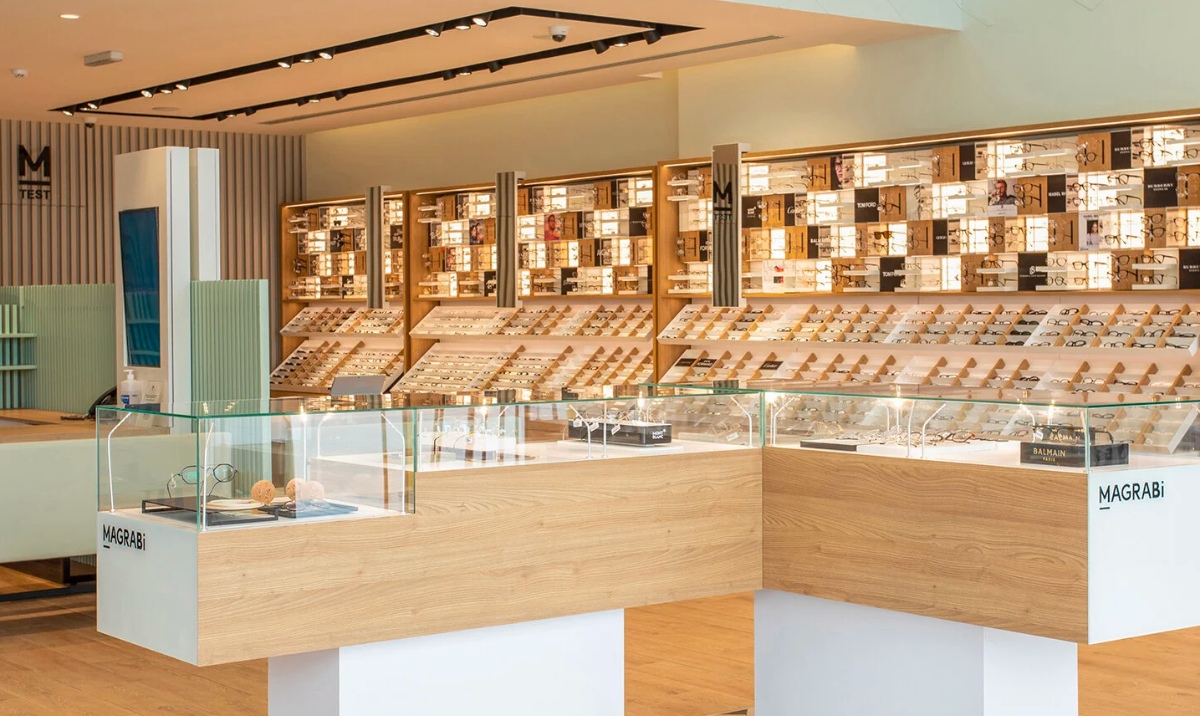
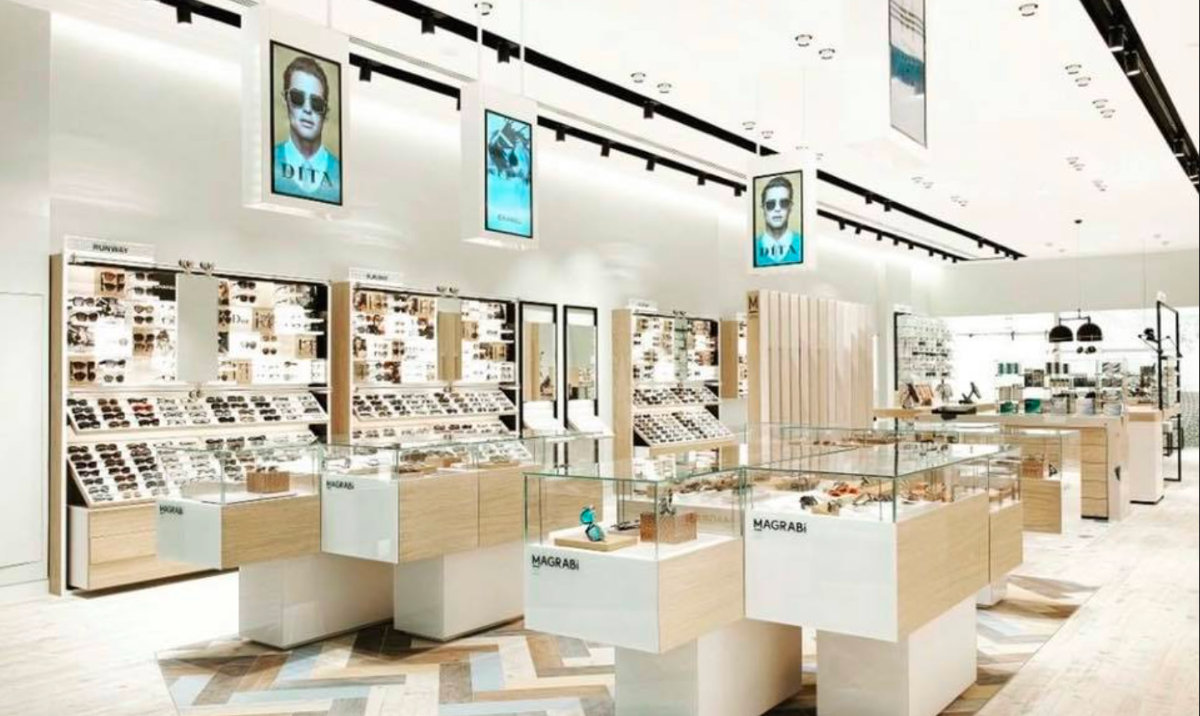
“We opened new stores for both our luxury banner Magrabi and the lifestyle banner Doctor M, including refurbishments, upgrades, and strategic store relocations,” Taher told Arab News.
This strategic expansion not only enhanced the group’s market presence but also contributed to higher average order values and increased foot traffic.
Digital dominance
In addition to its physical footprint, the group has made significant strides in the digital sphere, experiencing a 225 percent growth in online sales in 2023.
This growth can be attributed to its focus on enhancing the online customer experience through various initiatives, including virtual try-on features and swift delivery enhancements such as same-day delivery.
Taher highlighted the enhancements made to last-mile delivery services, including the introduction of same-day and express options within 90 minutes in the UAE.
These initiatives reduced delivery times and helped meet the evolving expectations of customers in an increasingly digital landscape.
The executive emphasized the importance of removing service frictions, adding: “Our focus in 2023 centered on enhancing the end-to-end customer experience and removing service frictions.”
Taher went on: “These improvements boosted our conversion rate, and we intend to continue this trajectory in 2024.”
He also revealed the approach taken to address key gaps and introduce innovative features.
“We identified and addressed 52 gaps, improved website content quality, and introduced features like virtual try-on,” Taher disclosed.
Strategic investments
In 2023, the group invested SR115 million ($30.66 million) in new store openings, refurbishments, and transformation projects, laying a foundation for future growth and scalability.
Outlining the strategic rationale behind these investments, Taher stated: “Expanding our network by opening new stores significantly impacts our future top line. We are adding more stores in both banners and continuing to upgrade the Magrabi banner to a luxury one.”
He also disclosed the group’s strategy to introduce shipping services to Qatar, Egypt, and Kuwait and adopt a new approach, transitioning from cross-border shipping to establishing local hubs in each target country.

Our focus in 2023 centered on enhancing the end-to-end customer experience and removing service frictions.
Yasser Taher, Magrabi Retail Group CEO
“Egypt has been live since January 2024, with the creation of a fulfillment center. We are now preparing for Kuwait and Qatar, expected to be operational by September 2024. This expansion is integral to our growth in 2025, providing convenience and an omnichannel experience to our customers. It’s transforming the customer experience, adding depth to our relationships, and enhancing convenience for our customers.”
Looking ahead
The retail group has outlined a roadmap for 2024 containing strategic priorities and initiatives to build upon the successes of the previous year.
“In 2024, our primary focus is on marketing and communications,” Taher affirmed. The group aims to reinforce its position as the leader in luxury eyewear retailing through targeted campaigns and brand positioning strategies.
The executive also underscored the importance of continued investment in brand evolution and expansion initiatives.
“We’re directing our attention to a second campaign for Doctor M, launching Concept 3.0,” Taher said.
This milestone marks a pivotal moment for the Doctor M brand, with the rollout of new stores and enhanced customer experiences.
In addition to marketing and brand initiatives, Taher places a strong emphasis on operational excellence.
“Operationally, we’re prioritizing CRM (customer relationship management) activations and clienteling,” Taher explained, highlighting the importance of personalized customer experiences and relationship management.
By leveraging data-driven insights and technology solutions, the Group aims to enhance customer engagement and drive repeat business.
Furthermore, Magrabi Retail Group is committed to investing in data capability and digital transformation, including a substantial project on supply chain end-to-end optimization. By optimizing processes and leveraging technology, the Group seeks to enhance efficiency and agility across its operations, ultimately delivering greater value to customers.
As part of its strategic vision for 2024, the group has initiated an environmental, social, and governance strategy and framework development. “Furthermore, we’ve initiated our ESG strategy and framework development, which we plan to communicate in Q4 this year,” Taher disclosed.
New leadership
Taher, the first non-family CEO of Magrabi Retail Group, discussed the implementation of key improvements to the company’s overall strategy.
These changes included the establishment of a new board of directors aimed at elevating corporate governance standards within the organization.
“The significant change we’re implementing on the board is majority independent and equal voting decisions, creating best-in-class corporate governance,” stated Taher.
This restructuring underscores the company’s commitment to fostering transparency and accountability at all levels.
The revamped board structure has already shown promising results, with Taher noting the implementation of thorough reporting mechanisms and structured board agendas.
“The disciplined approach and active board engagement support strategy formulation and mitigate risk,” Taher remarked, highlighting the board’s role in identifying potential blind spots and driving overall growth.
In 1981, Magrabi Optical opened its first store in Jeddah and since then it has expanded across Saudi Arabia, Egypt, and Kuwait, as well as Qatar and the UAE.
This expansion made it one of the largest eyewear and sunglasses retail chains in the Middle East and North Africa.
The group has also set ground-breaking targets for gender equality and fair practices, including the ambitious goal of 50:50 gender equality throughout, from board to shop floor, by 2025.
The company is already making huge strides forward in this regard, with the executive team, senior leadership team, and board already gender-balanced.