- Sepoy who belonged to paramilitary Frontier Corps Balochistan killed in the operation
- Latest assault comes less than week after militants attacked strategic Gwadar port
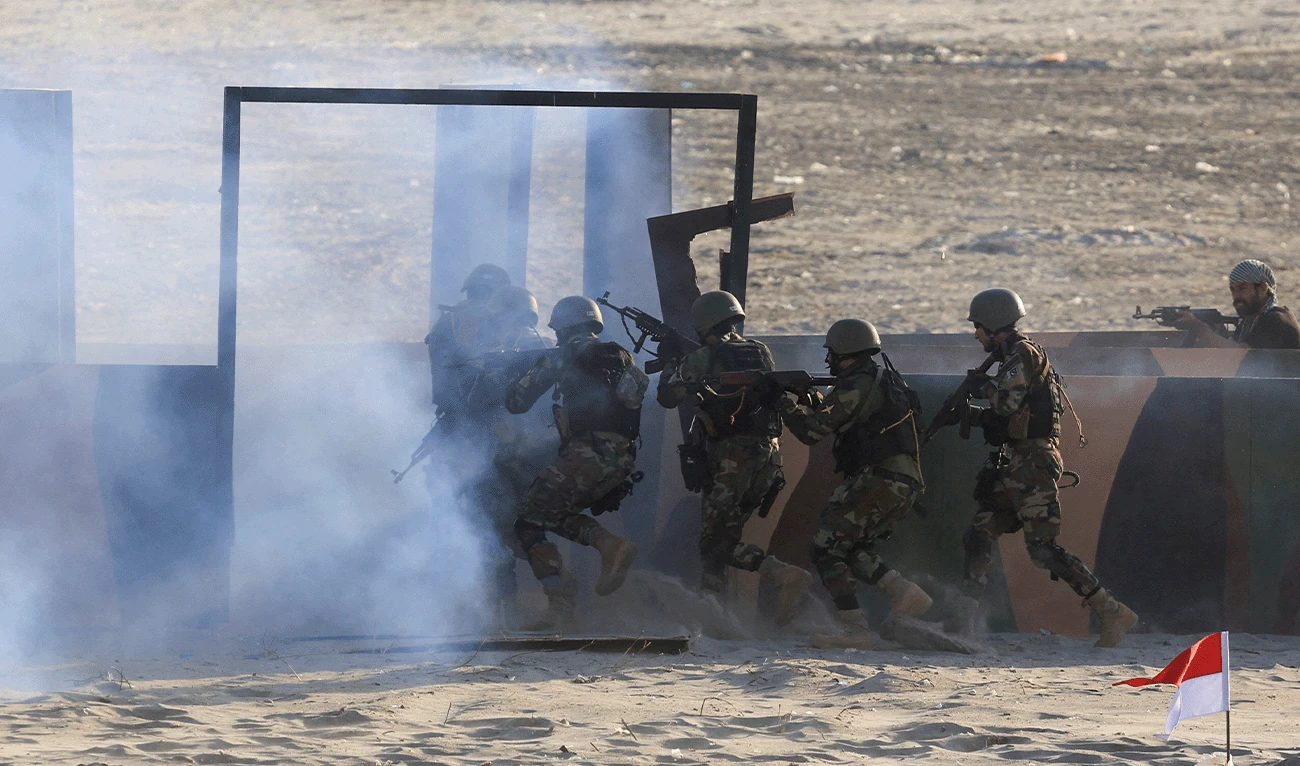
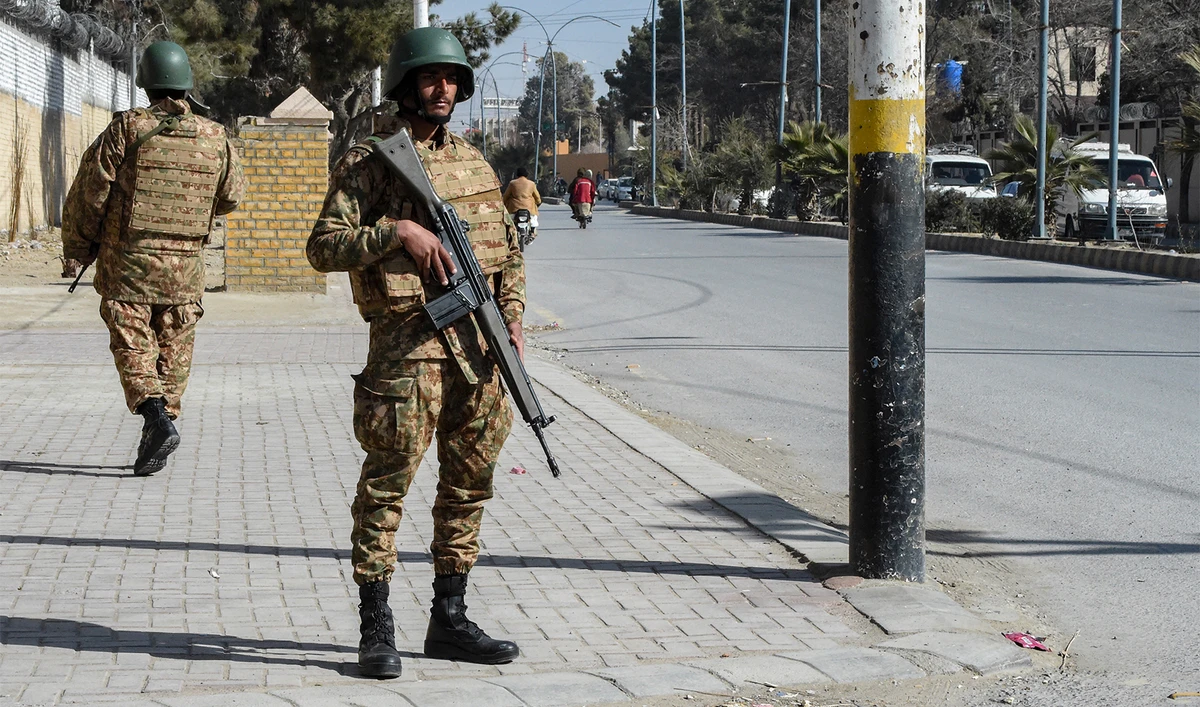
QUETTA: Pakistani security forces on Tuesday repulsed an attack by militants on the country’s second largest naval base located in the southwestern Balochistan province, with all four militants and one paramilitary soldier killed in the operation, the army said.
The latest assault on the naval facility in Turbat, a district in Balochistan, comes less than a week after two soldiers were killed as militants launched a gun and bomb attack on a complex outside the strategic port of Gwadar. The Pakistan army said all eight militants involved in that attack were killed.
The Pakistan army said militants attempted to attack Pakistan Naval Base, PNS Siddique in Turbat, on the might of Mar. 25-26, which “was thwarted due to the swift and effective response by the troops ensuring the safety and security of personnel and assets.”
“Security forces in the vicinity were immediately mobilized to support the naval troops,” the army’s media wing said in a statement. “Synergetic and effective response by the armed forces enabled killing of all four terrorists in ensuing joint clearance operation.”
The military said one sepoy, Noman Fareed, a 24-year-old resident of Muzaffargarh who belonged to the paramilitary Frontier Corps Balochistan, was killed in the operation.
Turbat Deputy Superintendent of Police Chakar Hayat told Arab News four gunmen attempted to storm Turbat Airport where the base is located but were blocked by security forces, resulting in a heavy exchange of gunfire.
“Four terrorists were killed in the attack on Turbat airport and a security clearance operation is going-on to clear the area,” Hayat said early on Tuesday morning, adding that the attack had been foiled.
The banned separatist group, the Baloch Liberation Army (BLA), claimed responsibility for the assault, saying it had attacked the naval air base in Turbat at 10pm and killed over a dozen “enemy personnel.”
Balochistan is the site of a long-running insurgency by separatist militants and the BLA and other groups have previously been involved in attacks on Pakistani and Chinese interests in the region and elsewhere.
China has invested heavily in impoverished but mineral-rich Balochistan, including developing Gwadar port, despite the decades-long separatist insurgency. The province is also home to a mining project at Reko Diq, one of the world’s largest underdeveloped copper-gold areas, in which Canadian Miner Barrick Gold Corporation is investing $10 billion.
Last week, newly elected Prime Minister Shehbaz Sharif directed authorities to ensure security of workers at the multi-billion-dollar copper and gold project.
“Due to a prompt and effective response by the security forces, terrorists were sent to hell, thus saving the country from a big damage,” Sharif was quoted as saying by his office after the latest attack in Turbat.
“The entire nation is standing with their brave security forces and pays tribute to them.”