ISLAMABAD: Prime Minister Shehbaz Sharif said on Wednesday that Pakistan will not tolerate “terrorism” from across the border, days after the South Asian country conducted airstrikes in neighboring Afghanistan to take out alleged militant targets.
Pakistan confirmed this week it had conducted airstrikes during the wee hours on Monday in the “border regions inside Afghanistan” to target militants of the Hafiz Gul Bahadur Group. Islamabad says militant outfits attack Pakistani security forces and civilians from sanctuaries in Afghanistan, a charge Kabul denies.
Afghanistan said eight people, including five women and three children, were killed in the airstrikes. The Taliban government said its border forces had fired on their Pakistani counterparts with heavy weapons in retaliation.
The operation, the sharpest escalation in already deteriorating ties between the neighbors, came after a suicide bomber rammed his explosive-laden truck into a military post in northwest Pakistan on Saturday, killing seven soldiers. The Pakistan Army, defense minister and president vowed retaliation in separate statements.
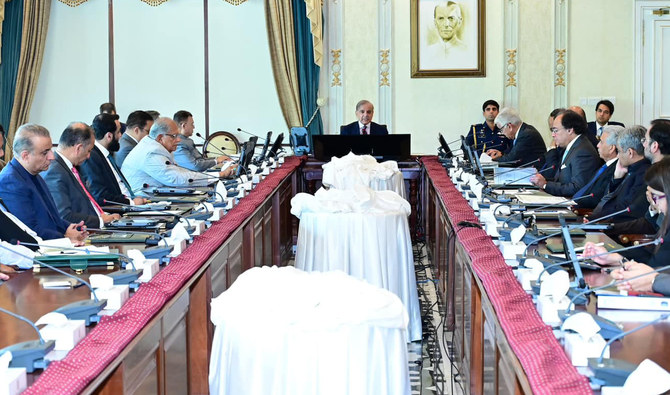
“Terrorism that is taking place from across the border, we cannot tolerate it anymore,” Sharif told members of the cabinet in a meeting. “Pakistan’s borders are a red line against terrorism.”
Sharif clarified that Pakistan wants peaceful relations with its neighbors and to promote bilateral trade and business relations with them.
“But unfortunately if the neighboring country’s soil will be used for terrorism, then this is not acceptable,” he said.
Sharif urged neighboring countries to formulate a joint strategy with Pakistan to combat militancy, adding that it would help establish regional peace and eliminate poverty.
Militant attacks have risen sharply in Pakistan in recent months, many of them claimed by the Pakistani Taliban or the Tehreek-e-Taliban Pakistan (TTP). The TTP are a separate group but are allies of the Afghanistan Taliban, who seized power in Afghanistan in 2021 as the US and NATO troops were in the final stages of their pullout. The Taliban takeover in Afghanistan has emboldened TTP, Pakistan says, whose top leaders and fighters are hiding in Afghanistan.
Pakistan’s Army on Monday said the recent wave of militancy in the country had the “full support and assistance” of Afghanistan.
“With the help of the Afghan Taliban and the supply of modern weapons, there has been an increase in the incidents of terrorism in Pakistan,” the army said in a statement.


![]()

Pakistan says won’t tolerate cross-border ‘terrorism,’ days after airstrikes on Afghanistan
Short Url
https://arab.news/2w3fp
Pakistan says won’t tolerate cross-border ‘terrorism,’ days after airstrikes on Afghanistan
- Pakistan conducted airstrikes against alleged militant targets in Afghanistan earlier this week
- Sharif invites neighboring countries to formulate joint strategy to combat “terrorism” in region
Latest updates


© 2026 SAUDI RESEARCH & PUBLISHING COMPANY, All Rights Reserved And subject to Terms of Use Agreement.