

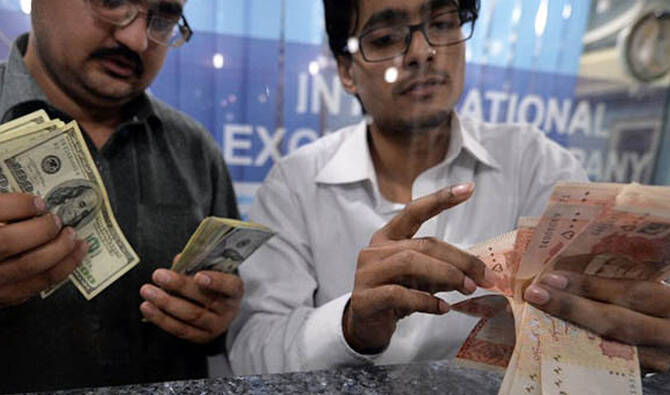

KARACHI: Pakistan’s interior and finance ministers on Tuesday agreed to intensify a nationwide crackdown on money laundering and informal money transfer networks, an official statement said, targeting businesses and individuals using illegal channels to move funds abroad.
Pakistan remained on the Financial Action Task Force’s “grey list” for increased monitoring from 2018 to 2022, during which it introduced a series of reforms to address weaknesses in its financial system that could be exploited for money laundering and terrorism financing.
As part of these efforts, authorities intensified crackdowns on informal money transfer systems such as hundi, an unregulated network that allows funds to move across borders through brokers outside the banking system.
While the global watchdog removed Pakistan from the list after it addressed key deficiencies, officials have said the process requires continued monitoring and further measures.
“The government has decided to launch a full-scale crackdown against money laundering and hundi mafia, and no leniency will be shown to large businesses and individuals involved in illegal transfers of funds abroad,” said a statement after Interior Minister Mohsin Naqvi and
Finance Minister Muhammad Aurangzeb held a meeting on the issue.
The statement added funds could only be sent abroad through banking and other legal channels, while the process of transferring money through exchange companies would be streamlined to ensure transparency.
The ministers said authorities would “tighten the noose” around major money launderers and discourage all illegal channels at every level, adding that the hundi business would not be tolerated under any circumstances.
The meeting also decided to form a joint working group comprising officials from the State Bank of Pakistan and the Federal Investigation Agency to regularly review progress and oversee implementation of measures.
Hundi, widely used for its speed and low cost, has long been associated with tax evasion and illicit financial flows.
It also deprives the country of a significant source of revenue amid the government’s efforts to boost remittances through formal channels and offer incentives for documented transfers.


