

Diriyah offers rich cultural experiences during Ramadan

1 / 7
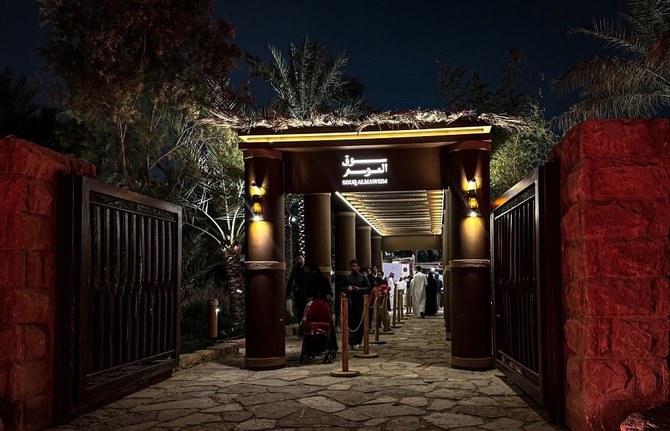
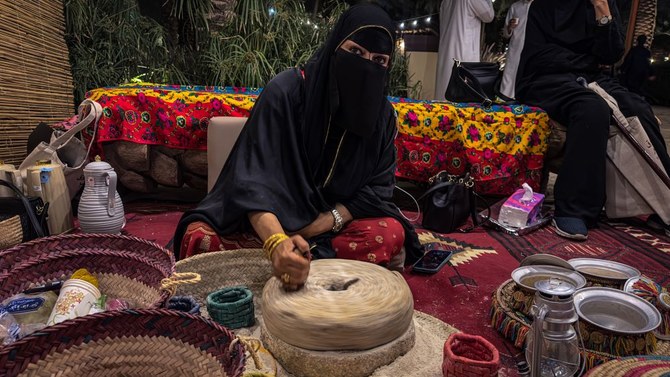
Souq Al-Mawsim is back for a second season in Diryah from March 11 to April 11. (AN Photo/Huda Bashatah)
2 / 7
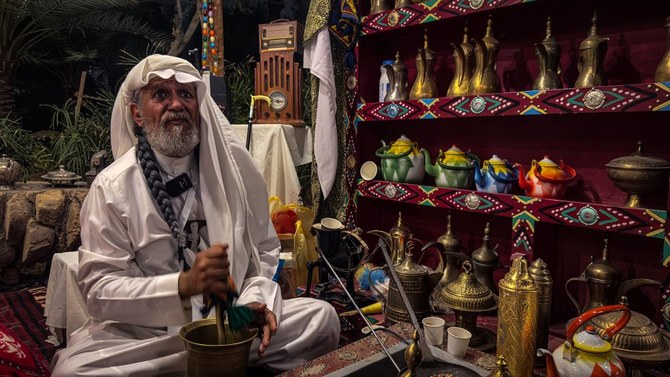
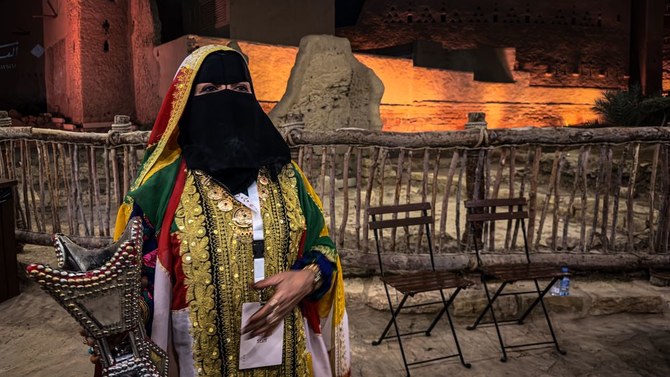
Souq Al-Mawsim is back for a second season in Diryah from March 11 to April 11. (AN Photo/Huda Bashatah)
3 / 7
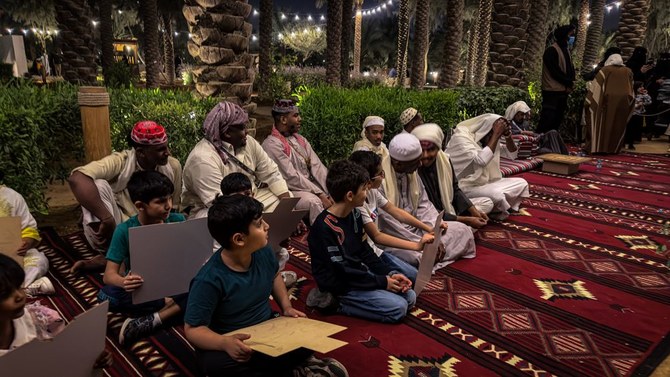
Souq Al-Mawsim is back for a second season in Diryah from March 11 to April 11. (AN Photo/Huda Bashatah)
4 / 7
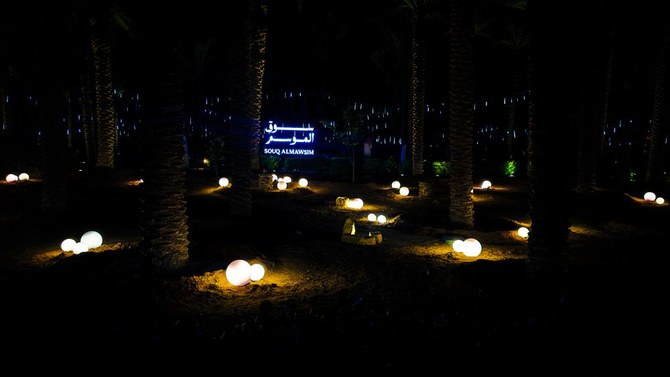
Souq Al-Mawsim is back for a second season in Diryah from March 11 to April 11. (AN Photo/Huda Bashatah)
5 / 7
Souq Al-Mawsim is back for a second season in Diryah from March 11 to April 11. (AN Photo/Huda Bashatah)
6 / 7
Souq Al-Mawsim is back for a second season in Diryah from March 11 to April 11. (AN Photo/Huda Bashatah)
7 / 7
Souq Al-Mawsim is back for a second season in Diryah from March 11 to April 11. (AN Photo/Huda Bashatah)
Short Url
Updated 19 March 2024
Follow

Diriyah offers rich cultural experiences during Ramadan

  • Array of eating choices close to UNESCO world heritage site
  • Najdi-style architecture evokes images of country’s rich past

RIYADH: During Ramadan at Bujairi Terrace, starry nights with exceptional views of UNESCO World Heritage Site At-Turaif ensure unforgettable experiences for the whole family. 

Bujairi Terrace is inspired by Najdi architecture to evoke images of the past. There are over 20 eateries, including several fine dining choices such as Chez Bruno, Tatel, Hakkasan and Long Chim.

Khaled Abdelazim Hassan, head of trade finance at Finance House, told Arab News that his visit was “nothing short of enchanting, offering a delightful fusion of tradition, flavor, and hospitality.”

He added that he was “greeted by an atmosphere buzzing with life. The terrace seemed to come alive with the laughter of families and friends, mingling with the gentle melodies of traditional music. It was a scene straight out of a cultural tapestry, where tradition met modernity in perfect harmony.” 

“Nestled in the heart of Diriyah, this cultural hub beckoned with promises of culinary adventures and immersive experiences,” said Hassan.

Hassan and his family dined at Maiz, a contemporary fine dining restaurant, because the authentic Saudi Arabia cuisine “stole the show.”

He added: “The mandi was a mixture of flavors and textures. The tender, succulent meat, marinated to perfection and slow-cooked until it practically melted in my mouth, was a revelation. Paired with fragrant saffron rice and traditional Saudi sauces, it was a culinary experience like no other.” 

“As I savored each bite, I couldn’t help but marvel at the richness of Saudi culture and cuisine. Maiz not only satisfied my hunger but also fed my soul, offering a glimpse into the traditions and flavors of a distant land.” 

Hassan said that the venue provides a haven for those seeking to break their fast in a welcoming and culturally rich environment.

“From the vibrant ambiance to the tantalizing flavors, it was a celebration of culture, cuisine, and community. Whether you’re craving a culinary adventure or seeking a place to gather with loved ones during Ramadan, Bujairi Terrace offers an experience that will leave a lasting impression,” he said.

Visitors can walk over a bridge after dining at the Bujairi Terrace to visit the recently restored ruins of the original seat of the Al-Saud dynasty, taking the same steps as the country’s rulers did centuries ago.

Meanwhile, Souq Al-Mawsim is back for a second season at Diriyah. It began in the historic district of At-Turaif on March 11 and will end on April 11. It is open from 9:30 p.m. to 2:30 a.m. throughout Ramadan. 

Organized by the Diriyah Gate ‍Development Authority, the event showcases traditional markets, workshops and arts and crafts.

Abdulrahman Alsaigh, a storyteller at the souq, said: “I lived during the time of King Faisal. We lived in mud houses and life was great. We used to know all of our neighbors.”

Local brands are on sale including traditional Saudi Arabia dishes, clothes, essential oils and oud.


Amr Moussa: Saudi Arabia and Egypt must lead Arabs for true peace

Updated 5 sec ago
Follow

Amr Moussa: Saudi Arabia and Egypt must lead Arabs for true peace

RIYADH: Amr Moussa, former Arab League secretary-general, has called for the establishment of an effective Arab leadership led by Saudi Arabia and Egypt, in partnership with Jordan, to unify regional positions and negotiate on the Palestinian cause and broader regional future.

During a panel discussion at the King Fahd National Library in Riyadh on Thursday evening, Moussa stressed this was “both vital and achievable” and emphasized the primary goal should be the establishment of a fully sovereign and effective Palestinian state: “True peace is only that which protects all parties … we need genuine peace, not a facade or a superficial justification,” he said.

Such a state must be “responsible for security and peace in the Middle East alongside its neighbors,” rather than a fragile entity, he added.

Moussa underlined that achieving this objective first requires the Arab world to demonstrate the capacity for unified and decisive action. “Are we as Arabs truly capable of being ‘we,’ or has that moment passed?” he asked.

He said the firm positions taken by Saudi Arabia and Egypt in rejecting forced displacement and calling for an end to aggression “underscore that it is possible to assert ‘no’ when the Arab stance is justified.”

Warning of the severe consequences of maintaining the status quo, he added: “If things continue this way … there will inevitably be something akin to October 7 again, because injustice breeds resistance.”

He placed full responsibility on Israel, saying it “bears complete responsibility for the chaos and destruction.”

On a practical mechanism to implement a unified Arab stance, Moussa proposed that Saudi Arabia and Egypt take the lead in establishing a diplomatic baseline, representing their “yeses and noes” in consultation with other Arab states. This framework, he said, would counter any attempts to impose unjust solutions under labels such as the new international “Peace Council,” which might “demand Palestinian concessions on Palestinian land.”

On whether peace was possible with the current Israeli government, which he described as “not committed to peace,” Moussa said: “There are other Israelis who speak the language of peace.” He urged efforts to “identify and support them to create a political alternative within Israel.”

He said the first thing Palestinians should do is hold comprehensive Palestinian elections as soon as possible, utilizing technology to ensure all Palestinians took part, including those in Jerusalem, to select a new leadership “with strong negotiating legitimacy.”

Moussa also warned that the challenges “are not limited to Palestine,” saying the Arab world faces interconnected crises in Syria, Yemen, Sudan, Lebanon and Libya, alongside shifts in the international order and the race for space.

“The issue of our future (requires) reviving a new Arab world,” capable of actively shaping that future rather than being marginalized, the former secretary-general concluded.