

Egypt sees trade deficit rise 17.8% amid export decline, import fluctuations

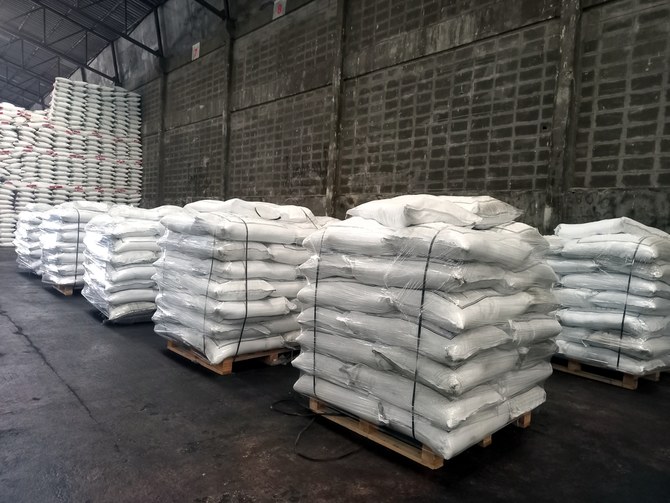
Egypt saw a decline in 48.8 percent reduction in the export value of fertilizers. Shutterstock
Short Url
Updated 13 March 2024
Follow

Egypt sees trade deficit rise 17.8% amid export decline, import fluctuations

RIYADH: Egypt’s annual trade deficit rose by 17.8 percent in December due to a decline in the value of key commodities such as fertilizers and petroleum products.

According to the report from the Central Agency for Public Mobilization and Statistics, the North African nation registered a trade deficit of $3.03 billion in the final month of 2023, up from $2.57 billion in December 2022. 

The report indicated a 23 percent year-on-year decline in export value, totaling $3.48 billion. Imports also decreased by 8.2 percent over the same period, reaching a total of $6.51 billion.

The decline in exports is primarily attributed to the reduced value of certain commodities, including a 48.8 percent reduction in fertilizers, a 46.8 percent decrease in petroleum products, and an 88.1 percent drop in natural and liquefied gas.

Additionally, plastics in their primary forms also experienced a 35.5 percent fall in export value during the period. 

However, despite these declines, the export revenue of specific commodities increased during the same month compared to the previous year. Ready-made clothes saw a 24.9 percent increase, fresh fruits rose by 3.6 percent, and crude oil experienced a growth of 60.2 percent. Meanwhile, pastries and various food preparations also witnessed a similar growth, increasing by 5 percent. 

The decline in the value of imports was primarily due to a diminished value of certain commodities, such as organic and inorganic chemicals by 8.2 percent, plastics in their primary forms by 17.2 percent, soybeans by 14.7 percent, and wood and its products by 40.5 percent.  

Furthermore, imports of certain commodities increased during the month compared to the corresponding period in 2022. This includes petroleum products by 24.7 percent, raw materials of iron or steel by 80.2 percent, medicines and pharmaceutical preparations by 5.8 percent, as well as, wheat by 20.7 percent. 

Meanwhile, Egypt has made significant strides in reducing its budget deficit by selling real estate and securing a support package with the International Monetary Fund, according to its finance minister as reported by Reuters on Sunday.

Egypt’s primary budget surplus will rise to above 3.5 percent in the fiscal year that will begin in July, Finance Minister Mohamed Maait told a news conference on Sunday.

The primary surplus does not include interest payments, which in the seven months to end-January accounted for well over half of all expenditures and have kept Egypt deeply in deficit.

The finance ministry last month forecast a primary general budget surplus equal to 2.5 percent of gross domestic product for the current fiscal 2023/24 year.


Saudi POS spending jumps 28% in final week of Jan: SAMA

Updated 06 February 2026
Follow

Saudi POS spending jumps 28% in final week of Jan: SAMA

RIYADH: Saudi Arabia’s point-of-sale spending climbed sharply in the final week of January, rising nearly 28 percent from the previous week as consumer outlays increased across almost all sectors. 

POS transactions reached SR16 billion ($4.27 billion) in the week ending Jan. 31, up 27.8 percent week on week, according to the Saudi Central Bank. Transaction volumes rose 16.5 percent to 248.8 million, reflecting stronger retail and service activity. 

Spending on jewelry saw the biggest uptick at 55.5 percent to SR613.69 million, followed by laundry services which saw a 44.4 percent increase to SR62.83 million. 

Expenditure on personal care rose 29.1 percent, while outlays on books and stationery increased 5.1 percent. Hotel spending climbed 7.4 percent to SR377.1 million. 

Further gains were recorded across other categories. Spending in pharmacies and medical supplies rose 33.4 percent to SR259.19 million, while medical services increased 13.7 percent to SR515.44 million. 

Food and beverage spending surged 38.6 percent to SR2.6 billion, accounting for the largest share of total POS value. Restaurants and cafes followed with a 20.4 percent increase to SR1.81 billion. Apparel and clothing spending rose 35.4 percent to SR1.33 billion, representing the third-largest share during the week. 

The Kingdom’s key urban centers mirrored the national surge. Riyadh, which accounted for the largest share of total POS spending, saw a 22 percent rise to SR5.44 billion from SR4.46 billion the previous week. The number of transactions in the capital reached 78.6 million, up 13.8 percent week on week. 

In Jeddah, transaction values increased 23.7 percent to SR2.16 billion, while Dammam reported a 22.2 percent rise to SR783.06 million. 

POS data, tracked weekly by SAMA, provides an indicator of consumer spending trends and the ongoing growth of digital payments in Saudi Arabia.  

The data also highlights the expanding reach of POS infrastructure, extending beyond major retail hubs to smaller cities and service sectors, supporting broader digital inclusion initiatives.  

The growth of digital payment technologies aligns with Saudi Arabia’s Vision 2030 objectives, promoting electronic transactions and contributing to the Kingdom’s broader digital economy.