In pictures: Pakistani women candidates who emerged victorious in elections 2024

A combination of file photos of female Pakistani politicians, left to right: Shazia Marri, Zartaj Gul and Maryam Nawaz Sharif. (Photo courtesy: AFP/Wikipedia)
Short Url
Updated 14 February 2024
Follow

In pictures: Pakistani women candidates who emerged victorious in elections 2024

  • Pakistani women polled thousands of votes across the country in last week’s general elections 
  • In conservative Pakistan, women often face difficulties in accessing health, educational opportunities

ISLAMABAD: Over twenty women candidates across the country’s national and provincial constituencies emerged victorious after the results of last week’s general elections, in conservative Pakistan where women often face difficulties in accessing health and education facilities. 

Hundreds of women candidates contested elections across Pakistan on Feb. 8. Pakistan’s constitution reserves seats for women in the provincial and national assemblies but parties rarely allow women to contest outside that quota.

Showing resilience in a conservative country where many women are barred from voting by the male members of their family, these 27 women pushed for change and emerged victorious after polling thousands of votes. 

Maryam Nawaz Sharif – Pakistan Muslim League-Nawaz

Maryam Nawaz is the political scion of Muhammad Nawaz Sharif, supremo of the Pakistan Muslim League-Nawaz (PML-N) party and three-time prime minister. She won the National Assembly seat from NA-119 Lahore and a provincial PP-159 seat.
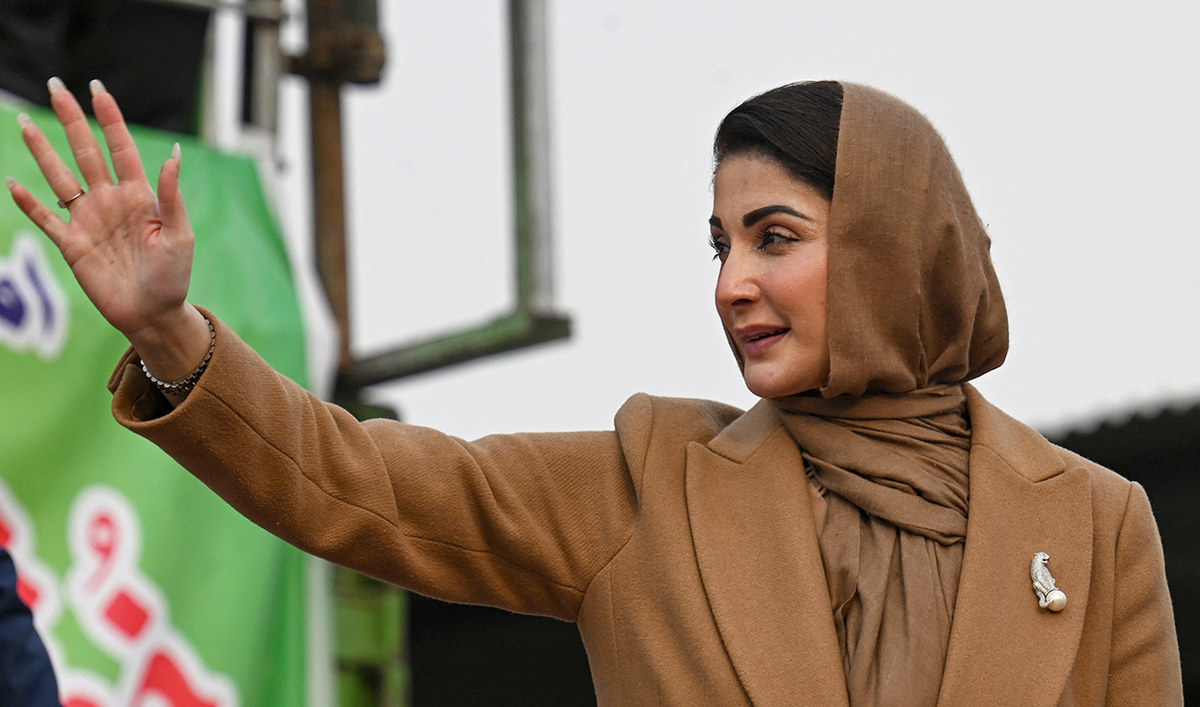
Shazia Marri – Pakistan Peoples Party

Shazia Marri is a former federal minister and won the NA-209 Sanghar seat for the third time in the 2024 general elections.
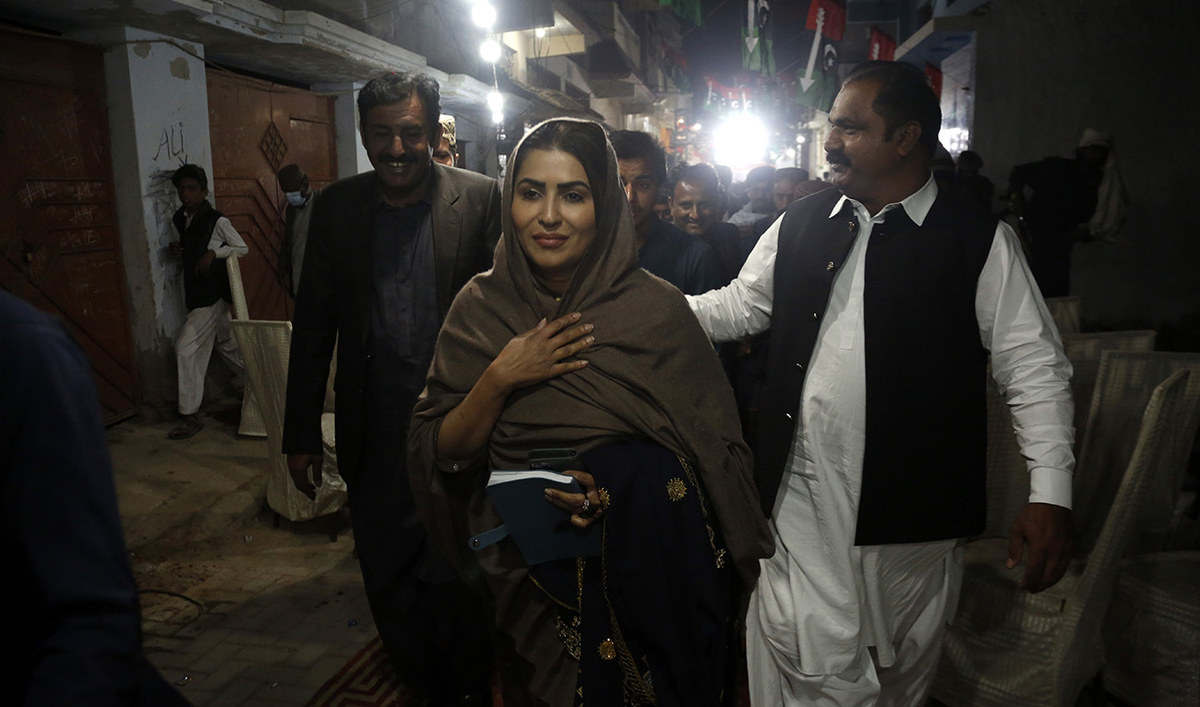
Zartaj Gul Wazir– Independent Candidate

Former minister for climate change bagged NA-185 Dera Ghazi Khan seat in Feb. 8 general elections.

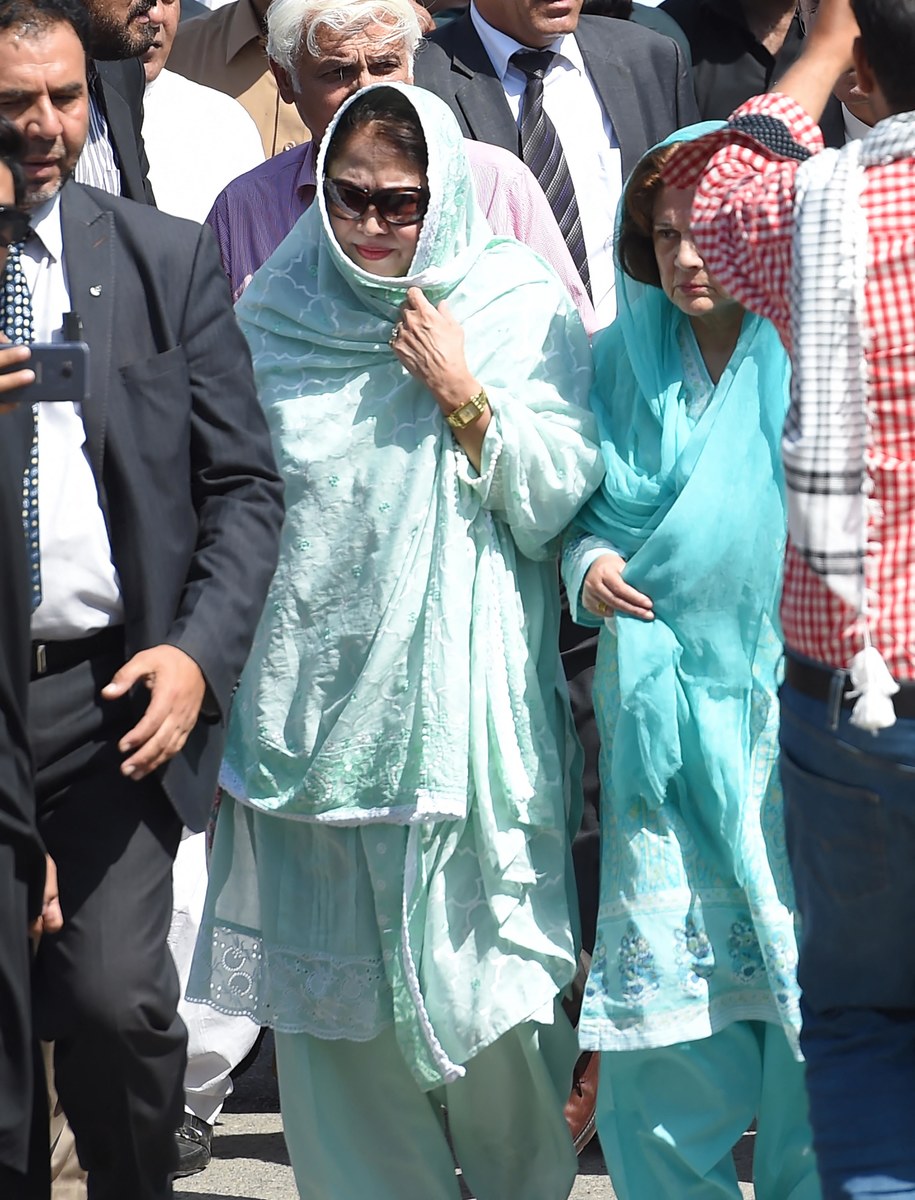
Faryal Talpur – Pakistan Peoples Party

Faryal Talpur is the sister of former president Asif Ali Zardari and won a provincial seat from PS-10 Larkana.
Shandana Gulzar Khan – Independent Candidate

Shandana Gulzar Khan won the NA-30 Peshawar seat, becoming the first fe­male to be elected on a general seat from Khyber Pakhtunkhwa province. She has served as deputy minister and parliamentary secretary in Pakistan's commerce ministry. 
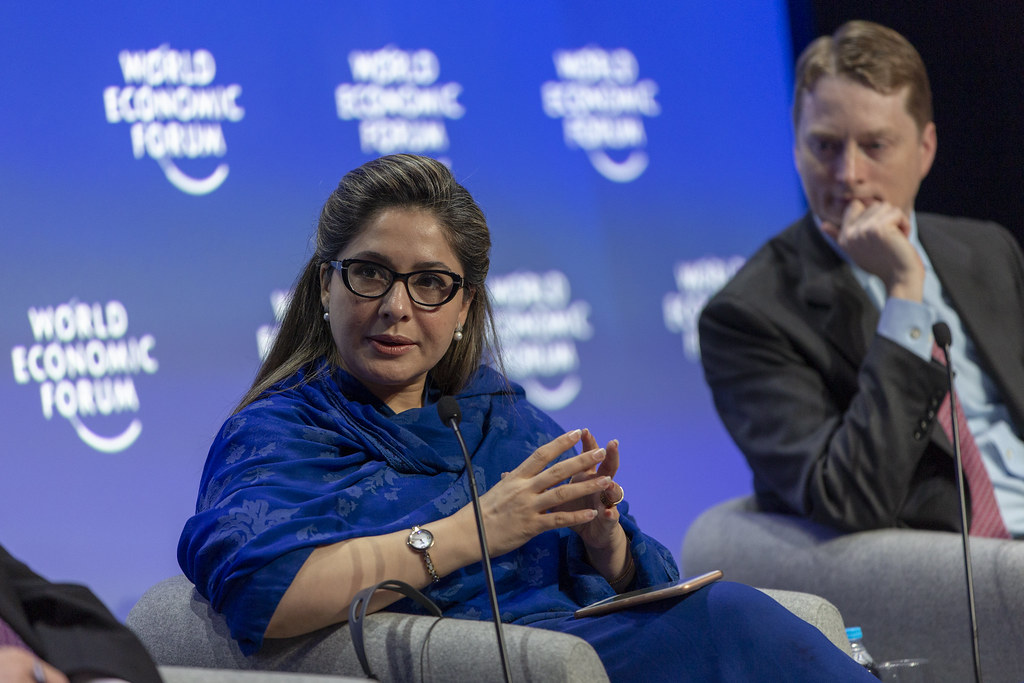
Nafisa Shah – Pakistan Peoples Party

Shah won the NA-202 Khairpur seat in the Feb. 8 elections. Pakistani lawmaker Nafisa Shah is the daughter of Qaim Ali Shah who has served as a federal minister, a senator, and thrice the chief minister of Sindh. 
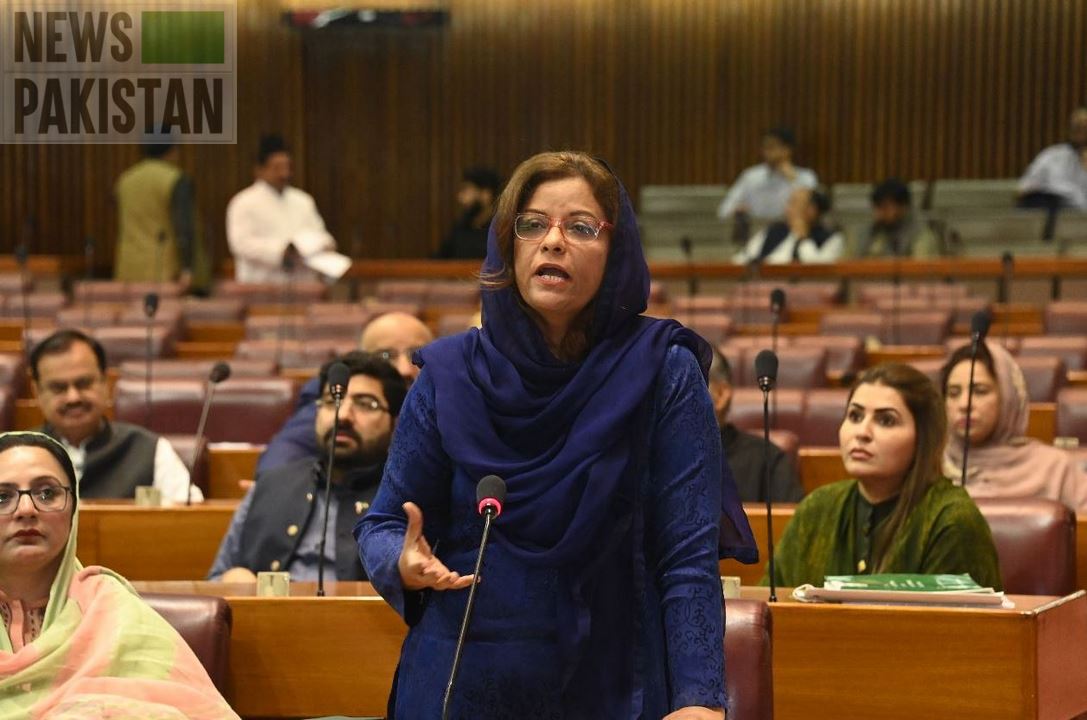
Shezra Mansab Kharal – Pakistan Muslim League-Nawaz

Shezra Mansab Kharal is a winning candidate from NA-112 Nankana Sahib and is the daughter of Pakistani politician Rai Mansab Ali Khan.
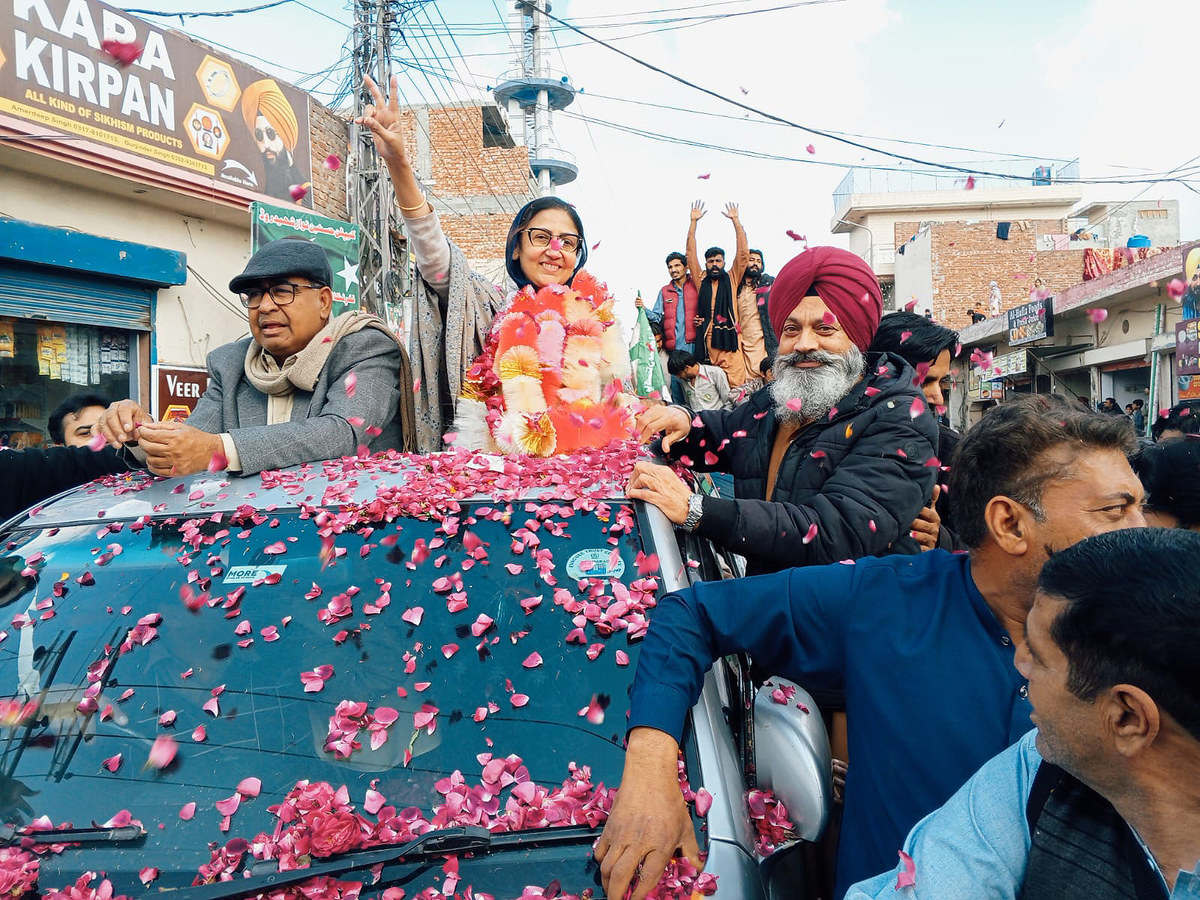
Ayesha Nazir Jatt – Independent Candidate

Jatt is another Pakistan Tehreek-e-Insaf-backed candidate who won from NA-156 Vehari. 
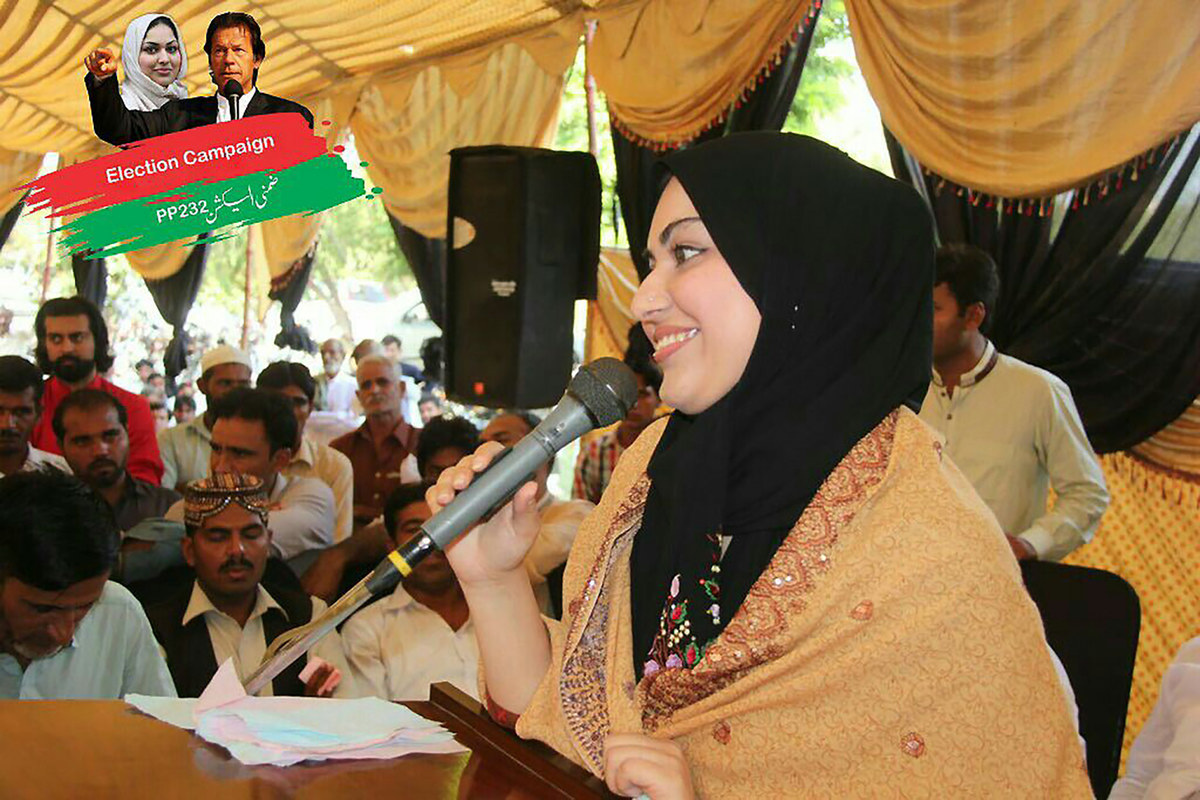
Tehmina Dultana – Pakistan Muslim League-Nawaz

Clinching NA-158 Vehari's seat in the Feb. 8 polls, Daultana became a member of the Pakistani parliament; for the first time in 1993.
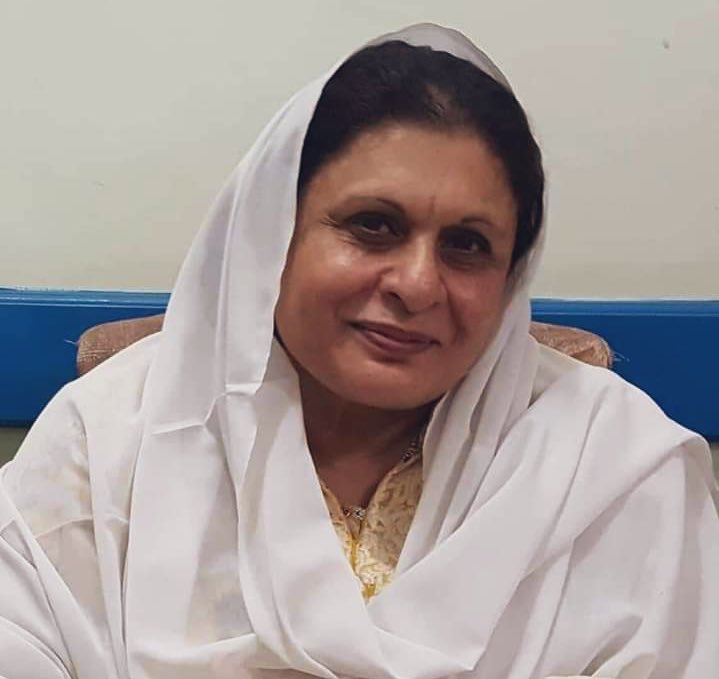
Syeda Nosheen Iftikhar – Pakistan Muslim League-Nawaz

Iftikhar won the NA-78 Lahore seat on a PML-N ticket. Her husband and father have both served as Pakistani lawmakers

Aasia Ishaque Siddiqui – Muttahida Qaumi Movement – Pakistan

Siddiqui emerged victorious from NA-232 Karachi.

Suraya Bibi – Independent Candidate

PTI-backed Suraya Bibi won PK 1 Chitral – Upper.
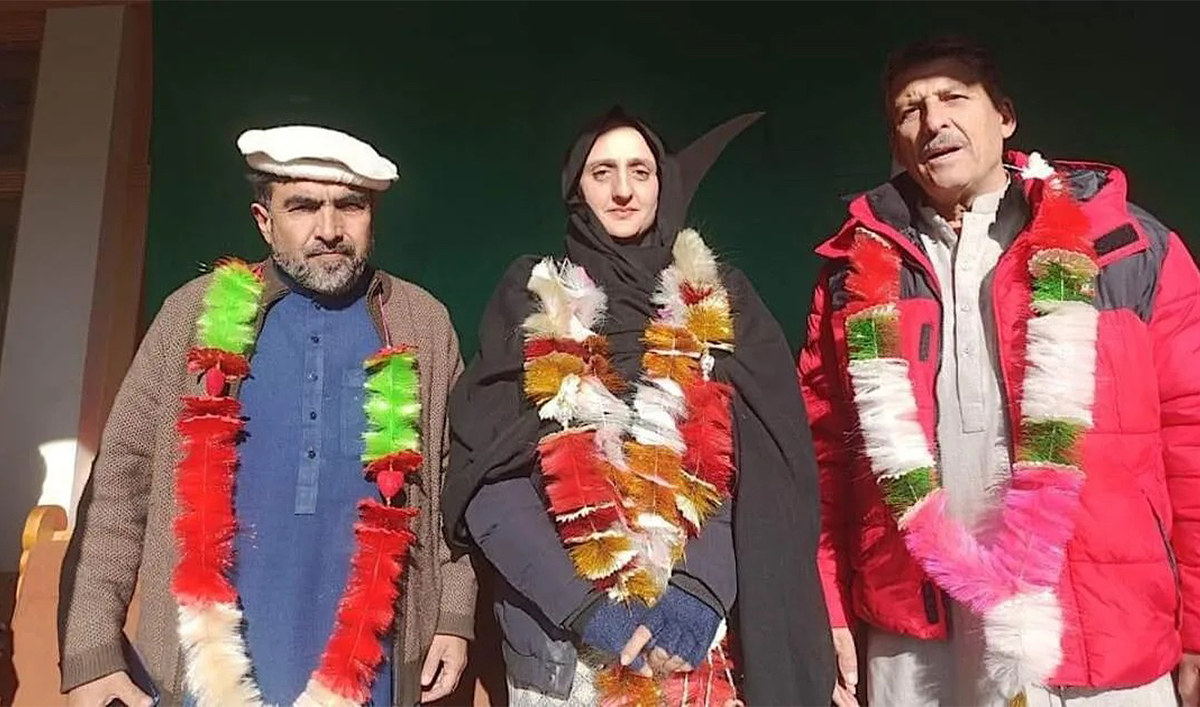
Makhdoma Syeda Sonia Ali Raza Shah – Independent Candidate

Shah has clinched a provincial seat second time after emerging victorious from PP-123 Toba Tek Singh. She served as Parliamentary Secretary for Youth Affairs, Sports and Archaeology from 2018-2023.
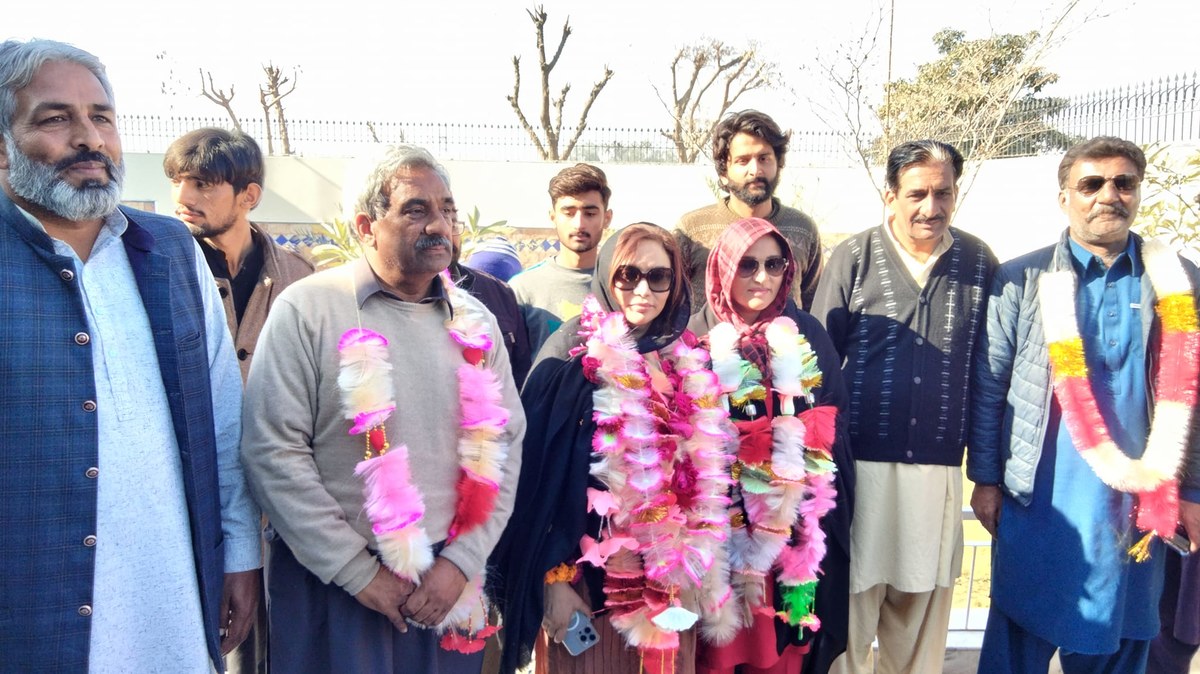
Ashifa Riaz Fatyana – Independent Candidate

Riaz is a seasoned politician and agriculturist. She served as a member of the Punjab Assembly from 2002 to 2007 and in 2018 held the portfolio of Minister for Women Development & Human Rights. Her father, Mian Mohammad Afzal Wattoo, was a prominent politician, and her husband, Mohammad Riaz Khan Fatyana, won a seat in NA-123 seat. Continuing her family's legacy, Riaz won the PP-123 seat from Toba Tek Singh.
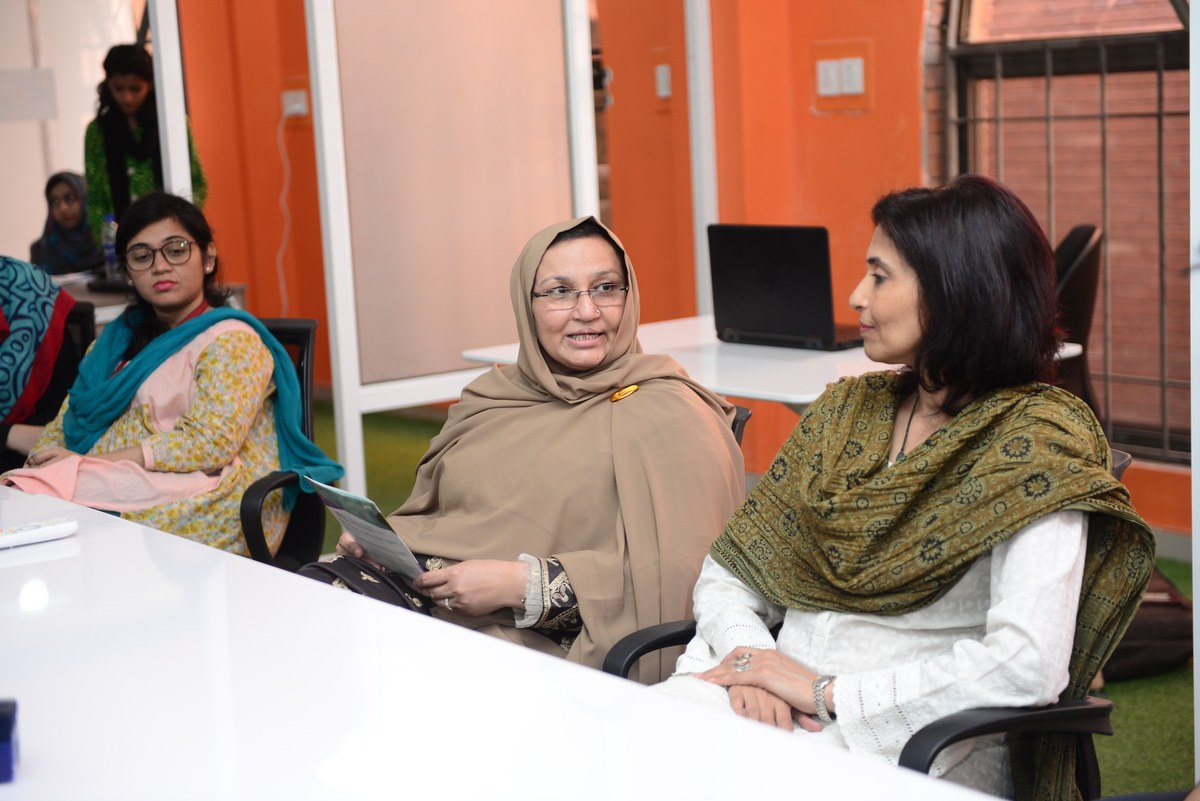
Azra Fazal Pechuho – Pakistan Peoples Party

Pechuho, a winner from PP-36 Shaheed Benazirabad, has served as a health minister in Sindh during her last stint in the Sindh Assembly.


Pakistan saw up to 17% drop in cross-border attacks after Afghan border closure — think tank

Updated 5 sec ago
Follow

Pakistan saw up to 17% drop in cross-border attacks after Afghan border closure — think tank

  • CRSS calls 2025 the deadliest year in a decade with 3,417 violence-linked fatalities nationwide
  • Violence remained concentrated in the western provinces as security forces killed 2,060 militants

ISLAMABAD: Pakistan recorded a sharp decline in cross-border militant attacks and violence-linked fatalities in the final months of 2025 after it closed its border with Afghanistan in October, even as the country endured its deadliest year in a decade overall, according to an annual security report released by a local think tank on Wednesday.

Pakistan has frequently accused Afghanistan of sheltering proscribed armed factions, such as the Tehreek-e-Taliban Pakistan (TTP) and the Balochistan Liberation Army (BLA), in the past, while also pointing a finger at the Taliban administration in Kabul for “facilitating” their attacks against Pakistani civilians and security forces.

The Center for Research and Security Studies (CRSS) said in its report that terrorist attacks fell by nearly 17% in December, following a 9% decline in November, after Pakistan shut the border on Oct. 11. It noted that violence-linked fatalities among civilians and security personnel also declined in the final quarter of the year, falling by nearly 4% and 19% respectively in November and December.

“Pakistan recorded a significant drop in cross-border terrorist attacks and violence-linked fatalities after it closed down the border to Afghanistan,” CRSS said.

Despite the late-year decline, the think tank said 2025 “went by as the most violent year for Pakistan in a decade,” with overall violence surging nearly 34% year-on-year.

Fatalities rose from 2,555 in 2024 to 3,417 in 2025 — an increase of 862 deaths — extending a five-year upward trend in violence that coincides with the Taliban’s return to power in Afghanistan in 2021, the report said.

“2025 marked another grim year for Pakistan’s security landscape,” it added, noting that violence has increased every year since 2021, with annual surges of nearly 38% in 2021, over 15% in 2022, 56% in 2023, nearly 67% in 2024 and 34% in 2025. 

REGIONAL CONCENTRATION

Violence remained heavily concentrated in Pakistan’s northwestern Khyber Pakhtunkhwa (KP) and southwestern Balochistan provinces, which together accounted for more than 96% of all fatalities and nearly 93% of violent incidents nationwide.

KP was the worst-hit region, recording 2,331 fatalities in 2025 — a 44% increase from 1,620 deaths in 2024 — accounting for more than 82% of the net national rise in violence.

Balochistan saw fatalities rise from 787 to 956, an increase of nearly 22%.

In contrast, Punjab and Sindh recorded relatively low levels of violence, together accounting for less than 3% of total casualties, which CRSS said pointed to “relative containment of violence despite the provinces’ large populations.”

The report also flagged the spread of violence into previously calmer regions, with Azad Jammu and Kashmir recording 15 fatalities in 2025 after reporting no violence a year earlier.

MILITANT DEATH TOLL

CRSS said 2025 was also the deadliest year in a decade for militant groups, with outlaws accounting for more than 60% of all fatalities.

“2025 turned out to be the deadliest year for outlaws in a decade,” the report said, with 2,060 militants killed during at least 392 security operations, surpassing the combined fatalities of civilians and security personnel.

Security forces, however, remained the primary targets of militant groups.

The army and Frontier Corps recorded 374 fatalities, including 22 officers, while police suffered 216 casualties.

The TTP claimed responsibility for the largest share of attacks on security personnel, followed by the BLA, the Baloch Liberation Front (BLF) and Daesh’s regional chapter.