



Klaija Festival sees desserts, handicrafts in the spotlight in Saudi Arabia’s Qassim

1 / 4
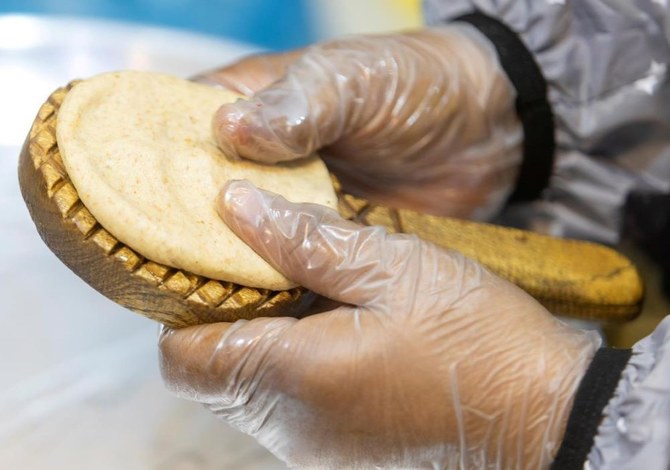
The 15th Klaija Festival is taking place at the King Khalid Cultural Center in Buraidah. (SPA)
2 / 4
The 15th Klaija Festival is taking place at the King Khalid Cultural Center in Buraidah. (SPA)
3 / 4
The 15th Klaija Festival is taking place at the King Khalid Cultural Center in Buraidah. (SPA)
4 / 4
The 15th Klaija Festival is taking place at the King Khalid Cultural Center in Buraidah. (SPA)
Short Url
Updated 13 February 2024
Follow

Klaija Festival sees desserts, handicrafts in the spotlight in Saudi Arabia’s Qassim

  • Popular klaija dessert is a hot seller at festival
  • Event extended to Feb. 27 by Qassim governor

RIYADH: The ongoing 15th Klaija Festival at the King Khalid Cultural Center in Buraidah has helped local producers sell their products and ensure the event’s success, the Saudi Press Agency reported on Tuesday.

Organized by the Qassim Chamber of Commerce, there are participants from the Gulf countries, and include 217 families and 20 craftsmen specializing in handicrafts.

More than 700 young men and women from various organizations are supporting the festival’s programs, SPA reported.

In response to the increased demand and attendance, Qassim Gov. Prince Faisal bin Mishaal has extended the festival by 10 days until Feb. 27. He had earlier toured the festival with several officials.

Umm Youssef, a local producer, said she has been gratified by the increased attendance, which has allowed her to sell more of her products, including the klaija dessert.

Expert klaija crafter, Umm Khaled, said the festival was an opportunity to showcase her skills. She said her daily sales exceeds SR1,000 ($266).

The klaija dessert is one of the leading products of the region, and has helped to create jobs.

Klaija’s ingredients include wheat flour, sugar, lemon, cardamom, cinnamon, ginger and molasses. The dough is stuffed with some of the ingredients and baked to a crisp.

For more than 45 years, Umm Ahmed has been baking Klaija and is a regular at the festival. She said she makes over SR800 a day from her product.

Specially designated pavilions at the festival showcase a variety of klaija, traditional foods, sweets, and diverse handicrafts.

Several officials thanked Prince Faisal for his ongoing support of the Klaija Festival, including Mohammed Al-Hanaya, the secretary of the Qassim Chamber of Commerce, and Mayada Badr, CEO of the Culinary Arts Commission.

Badr emphasized the commission’s dedication to supporting the klaija industry, which is on the list of the National and Regional Dishes Narratives initiative, which seeks to celebrate Saudi Arabia’s cuisine.


Creators spotlight graphic novels as powerful literacy tools at Dubai literature festival

Updated 22 January 2026
Follow

Creators spotlight graphic novels as powerful literacy tools at Dubai literature festival

DUBAI: Comic creators Jamie Smart, John Patrick Green and Mo Abedin joined the Emirates Airline Festival of Literature in Dubai this week to discuss the growing role of comics in classrooms and how graphic novels are reshaping children’s relationship with reading.

Smart is the author of the bestselling “Bunny vs. Monkey” series, Green is known for his popular “The InvestiGators” books about crime-solving alligators, and Abedin is the UAE-based creator of the sci-fi graphic novel “Solarblader."


A post shared by @jamiefumboo

A key point shared by all three speakers was that comics should be valued as a complete art form rather than a stepping stone to prose. Abedin described comics as “a very high art form,” explaining that the medium taught readers how to process complex ideas such as emotion, empathy and culture through visual storytelling. 

He added that comics allowed readers to slow down and engage on their own terms because “the reader is also able to control the pace of the narrative.”

For Smart, the power of comics lies in the emotional connection they create. He spoke about how the word “comics” immediately takes him back to childhood, recalling being “eight years old and going down the newsagent” and spending hours reading. That sense of joy, he said, is what many reluctant readers respond to. He noted that parents often tell him, “My child would not read a book, a single book … until they picked up a comic,” adding that comics inform readers even when they are simply entertaining. “They can just be an emotional, heartfelt story,” he said.

Green focused on how comics function as a visual language that readers learn over time. He described them as “almost a separate language,” noting that some adults struggle at first because they are unsure how to read a page — whether to follow images or text. But that flexibility is what gives comics their strength, allowing readers to choose how they experience a story and giving them more agency than prose or film.

The panel also discussed re-reading as a powerful part of the comics experience. Children often race through a book for the plot, then return to notice visual details, background jokes and character expressions, building deeper comprehension with each reading.

By the end of the session, all three agreed that comics should be studied and respected as their own form of literature — one that welcomes readers of all levels, builds confidence and makes reading feel like discovery rather than obligation.