

Punjab interim chief minister unanimously elected chairman of Pakistan Cricket Board

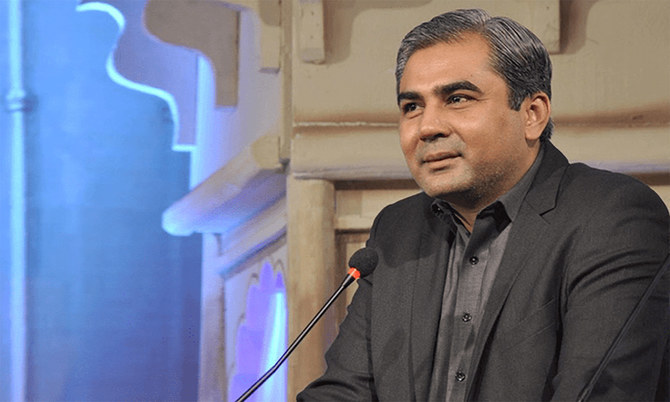
An undated file photo of Mohsin Naqvi. (Photo courtesy: social media)
Short Url
Updated 06 February 2024
Follow

Punjab interim chief minister unanimously elected chairman of Pakistan Cricket Board

  • Syed Mohsin Raza Naqvi became frontrunner for the post after Zaka Ashraf’s resignation in January
  • The leadership change comes amid intense criticism of Pakistan’s cricket performance in recent months

ISLAMABAD: Punjab Caretaker Chief Minister Syed Mohsin Raza Naqvi was unanimously elected as the 37th chairman of the Pakistan Cricket Board (PCB) for a three-year term on Tuesday, according to an official statement from the sport’s regulatory body.
Naqvi emerged as the frontrunner for the position after it became vacant with the resignation of former PCB chief Zaka Ashraf earlier in January.
The leadership change came against the backdrop the Pakistan men’s national cricket team’s performance in recent months, especially during last year’s Asia Cup and the 50-over One-Day International World Cup held in India.
“I am deeply honored and humbled to have been unanimously elected as the Chairman of the Pakistan Cricket Board,” the PCB statement quoted Naqvi as saying. “I am thankful for the trust and confidence reposed in me.”
“I am fully committed to upgrading the standard of the game in the country and bringing professionalism in the administration of cricket in Pakistan,” he added.
Naqvi, who will soon hand over his responsibilities as the interim chief minister to an elected Punjab administration after general elections on Thursday, also held a meeting with chief selector Wahab Riaz and PCB’s Chief Operating Officer Salman Naseer.

He is also the first elected PCB chairman in more than a year after Ramiz Raja, a former Pakistan Test cricketer, left the post in Dec. 2022.


Bodies of Pakistani nationals who died attempting illegal migration repatriated from Iran

Updated 4 sec ago
Follow

Bodies of Pakistani nationals who died attempting illegal migration repatriated from Iran

  • Pakistan’s envoy in Tehran warns youth against human smugglers after deaths in harsh weather
  • Pakistan reported sharp fall in illegal migration to Europe this year amid nationwide crackdown

ISLAMABAD: The bodies of two Pakistani nationals, who died near the Iran-Türkiye border after attempting to travel illegally to Europe, have been repatriated to the country, said a senior diplomat on Tuesday, reiterating warnings against human smugglers amid an intensified crackdown by authorities in Islamabad on illegal migration.

Pakistan says it has stepped up action against illegal immigration and human trafficking in recent years, reporting a 47% drop in illegal migration to Europe this year and the arrest of more than 1,700 suspected human smugglers, according to official figures.

However, people continue to attempt dangerous irregular journeys in search of work and better economic opportunities abroad.

“The mortal remains of Pakistani nationals Mr. Armanullah s/o Gul Rahman and Mr. Ihtasham s/o Mukhtar Gul, both residents of Nowshera, have been repatriated to Pakistan through Taftan border earlier today,” Pakistan’s ambassador to Iran, Muhammad Mudassir Tipu, said in a post on social media platform X. “Both had fallen victim to the greed of human smugglers and lost their lives in extremely harsh weather conditions near Iran’s border with Turkiye.”

“I once again request the youth back home not to be trapped by human smugglers and instead follow the legal path to travel abroad,” he added, thanking the government of the Balochistan province in Pakistan for arranging the transportation of the bodies and offering condolences to the victims’ families.

The issue illegal immigration has drawn heightened scrutiny since 2023, when hundreds of people, including Pakistani nationals, died attempting to cross the Mediterranean Sea in an overcrowded vessel that sank off the Greek coast, prompting Islamabad to launch nationwide investigations into human smuggling and trafficking networks.

Authorities have since arrested Pakistani and foreign nationals at airports with forged travel documents, highlighting the scale of document fraud linked to illegal departures.

In September, the Federal Investigation Agency (FIA) released a list of more than 100 of Pakistan’s “most wanted” human smugglers and identified major trafficking hubs across Punjab province and the capital, Islamabad.

Earlier this month, Pakistan announced plans to roll out an artificial intelligence-based immigration screening system at Islamabad airport from January, aimed at detecting forged documents and preventing illegal travel abroad, as part of broader efforts to curb human smuggling and unauthorized migration.