PARIS: Iranian dissidents living inside the Islamic republic and in exile Thursday went on hunger strike to protest the surge of hangings in Iran that included most recently a participant in the 2022 protest movement who activists say had mental health difficulties.
Led by jailed 2023 Nobel Peace Prize winner Narges Mohammadi, those going on the one-day hunger strike ranged from dozens of her cellmates in Tehran’s Evin prison to prominent campaigners living outside the country.
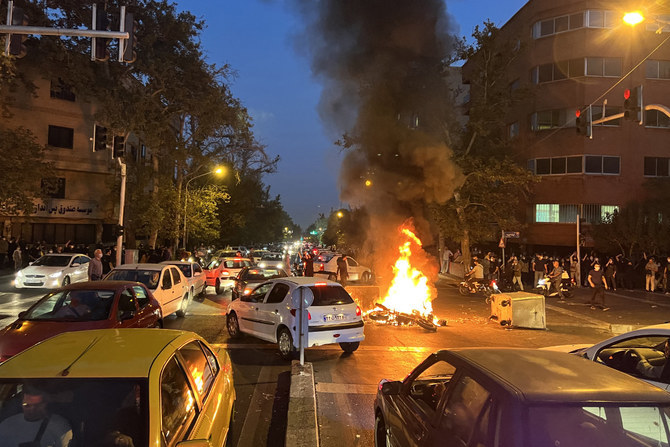
Concern over Tehran’s use of capital punishment has intensified following the hanging on Tuesday of Mohammad Ghobadlou, a 23-year-old sentenced to death over the fatal running down of a police officer during the protests, following a trial activists said was grossly unfair.
According to Norway-based NGO Iran Human Rights, he was one of at least 54 people executed by Iran so far this year.
Mohammadi, who throughout her career has campaigned against Iran’s use of the death penalty, said on the Instagram account run by her family that all 61 women “political prisoners” in Tehran’s Evin prison would be on hunger strike Thursday.
“The imprisoned women will resist to keep alive the names of those who have been executed and spare the lives of hundreds of people in the prisons of the Islamic republic awaiting execution,” her statement said.
The social media account of rapper Toomaj Salehi, who was re-arrested in November, less than two weeks after his release on bail following his detention over supporting the protests, said he would also be joining the hunger strikes.
Other prominent figures inside Iran who spent time in jail over the protests said they were also going on hunger strike, including the singer Mehdi Yarrahi and activist Hossein Ronaghi.
Mohammadi’s Instagram account also published a letter from 37 women who had previously been jailed in Evin, including the British-Iranian Nazanin Zaghari-Ratcliffe, saying they would be joining the hunger strike in solidarity with the jailed women.
“Having been in their place in the past and battling like them, we are aware of the cost this act might invoke,” the letter said.
“We will be their voice for the world to hear their message and end the death penalty in Iran.”
US-based dissident Masih Alinejad said she was also taking part in the hunger strike, warning that “solidarity is beautiful, but if we don’t take action... more people on death row will be executed soon.”
Ghobadlou was the ninth man executed by Iran in a case related to the protests, rights groups said, adding he suffered from bipolar disorder and was executed despite an order he should benefit from a retrial.


![]()

Iranian dissidents on hunger strike to protest hangings
Short Url
https://arab.news/5da3p
Iranian dissidents on hunger strike to protest hangings
- Led by jailed 2023 Nobel Peace Prize winner Narges Mohammadi, those going on the one-day hunger strike ranged from dozens of her cellmates in Tehran’s Evin prison
- Concern over Tehran’s use of capital punishment has intensified following the hanging on Tuesday of Mohammad Ghobadlou


Latest updates




Recommended


© 2026 SAUDI RESEARCH & PUBLISHING COMPANY, All Rights Reserved And subject to Terms of Use Agreement.