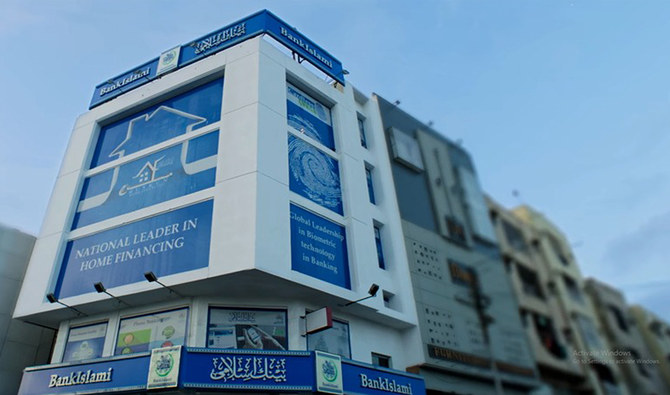
KARACHI: BankIslami Pakistan is charting new horizons as it contemplates venturing into the Gulf markets, targeting Saudi Arabia and the United Arab Emirates (UAE) for its overseas expansion, to become the first Islamic bank in the country operating on foreign shores, one of its top officials said on Tuesday.
The bank was established in 2005 and offers a range of Shariah-compliant banking products and services. With JS Bank as its majority shareholder, it has grown to become one of the leading Islamic banks in Pakistan.
Listed on the Pakistan Stock Exchange (PSX), BankIslami boasts a market capitalization of over Rs24 billion. According to financial results posted on the PSX website, it recorded a net profit of Rs3.3 billion in the quarter ending on September 30, 2023.
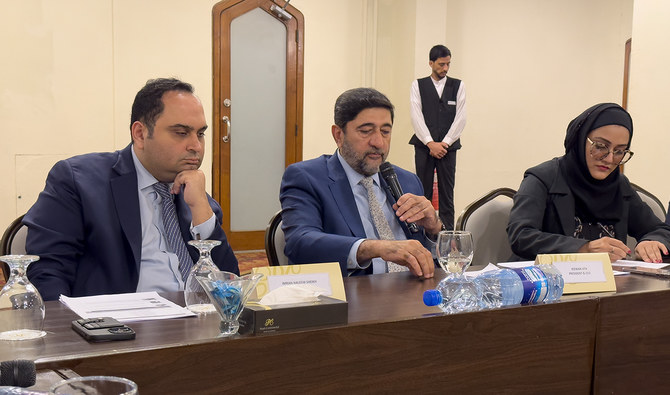
Rizwan Ata, President and CEO of BankIslami Pakistan, revealed on Tuesday the bank was planning both local and overseas expansions, with a primary focus on exploring opportunities in Saudi Arabia and other Gulf markets for expansion by next year.
“We are basically prioritizing Saudi Arabia first because most of the remittance from overseas Pakistanis, they come from Saudi Arabia,” he explained in an interview with Arab News on the sidelines of a meeting with journalists in Karachi. “The second market is the UAE, obviously second largest country from where Pakistanis send their remittances. So, it is our obvious second target.”
Ata added that Kuwait, Qatar, Oman and several other Middle Eastern states were also part of BankIslami’s overseas expansion plans.
“While other banks have international chains, but [BankIslami] as a Pakistan-based bank will be the first one, Inshallah [by the will of God], to do it,” he added.
The bank also plans to significantly expand its domestic presence by adding 100 more branches to its current network of over 400 branches by the end of the current year.
He informed that 60 percent of his bank’s operations were digital, adding it wanted to inaugurate an exclusive digital branch by the end of the year.
“Our full-fledged digital branch will be launched by the fourth quarter of 2024,” Ata informed, adding: “It will be a state-of-the-art digital branch in Pakistan that will be unmanned and issue cheque books, pay orders and even the ATM cards.”
Islamic banking has rapidly gained prominence in Pakistan, with market shares of assets and deposits reaching 19.6 percent and 22.5 percent, respectively, by the end of September 2023.
The Federal Shariat Court (FSC) ruling passed in April 2022 requires Pakistan to transition its entire banking system from interest-based to interest-free operations within five years.
The court set December 2027 as the deadline for the complete elimination of riba – or interest – from the country’s banking system.
BankIslami’s chief said he was hopeful the deadline would be honored, given the progress in Islamic banking across Pakistan.
“We are hoping for it because all banks are making the effort,” Ata noted, adding that most new branches were being established in the country on Islamic banking principles.


![]()
![]()

Pakistan’s key Islamic bank targets Gulf market expansion, set to operate beyond national borders
Short Url
https://arab.news/mudp5
Pakistan’s key Islamic bank targets Gulf market expansion, set to operate beyond national borders
- BankIslami chief eyes Saudi Arabia and the UAE to become first Pakistan-based Islamic bank to branch out internationally
- The bank plans to add 100 new branches to its local network, including a full-fledged digital branch by the end of this year
Latest updates


© 2026 SAUDI RESEARCH & PUBLISHING COMPANY, All Rights Reserved And subject to Terms of Use Agreement.