Kingdom’s new civil law ‘a quantum leap’ for legal system

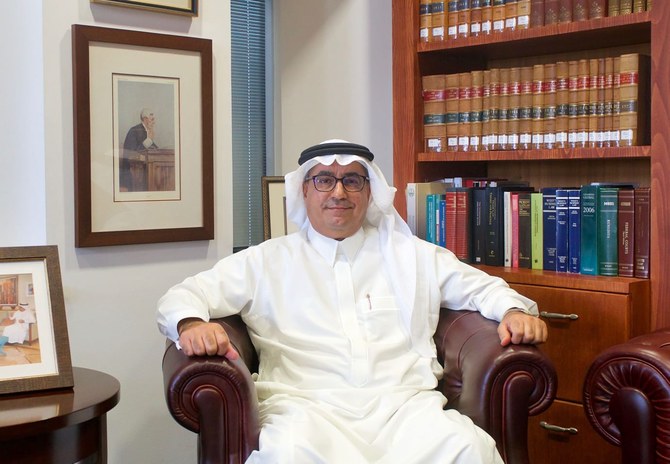
Lawyer Dr. Saud Al-Ammari. (Supplied)
Short Url
Updated 17 December 2023
Follow

Kingdom’s new civil law ‘a quantum leap’ for legal system

  • Legislation codifies ‘many Shariah principles,’ lawyer Saud Al-Ammari says
  • Civil Transactions Law was approved by Saudi Cabinet in June

RIYADH: Saudi Arabia on Sunday implemented its new Civil Transactions Law, in what one expert described as a “quantum leap” in the nation’s legal system.

The groundbreaking legislation, which was approved by the Saudi Cabinet in June, is a key component of the Vision 2030 reform plan and seeks to ensure the Kingdom has a clear, fair and transparent legal system amid a period of rapid development.

Written to reflect Islamic values, the law covers such areas as the regulation of financial transactions, and compensation for damage caused to property or persons. It also sets out definitions for contracts, including their validity, termination and all aspects of ownership.

Lawyer Dr. Saud Al-Ammari, who manages a law firm and has trained in both Saudi Arabia and the US, said the new legislation was part of a significant upgrading of the Kingdom’s judicial system and introduced a wide-ranging set of laws and regulations.

“This marks a milestone as the first codification of civil law in the Kingdom,” he said. “Previously, civil law matters in Saudi Arabia were governed by courts’ interpretations of Shariah-based guidelines and principles.”

Its introduction was as “a quantum leap in the Saudi legal system,” he said.

“While the civil law does not violate Shariah, the codification of many Shariah principles enhances the judicial system’s consistency and predictability. Specifically, the new law focuses on contractual and property rights, tort and other commercial and personal injury matters,” Al-Ammari said.

“It stabilizes transactions, reduces the causes of contract invalidation and termination, and expands contractual freedom. In addition, it speeds up the process of resolving disputes and reduces variation in judicial rulings.”

He added that the law would provide both domestic and foreign investors with a clear, consistent and modern legal framework for conducting business in the Kingdom.

“In addition to guiding the way to proper contract drawing, it limits causes of contract invalidation and speeds up the process of resolving contractual disputes,” he said.

“As for dispute resolution, the law encourages alternative dispute resolution, including mediation and arbitration, to resolve disputes efficiently and amicably. The Saudi Center for Commercial Arbitration has distinguished itself globally with best in class institutional arbitration rules for handling mediation and resolving disputes via arbitration.”

Al-Ammari, who with colleague Amnah Kidwai prepared a research paper for Chambers and Partners on the new law, said that a significant feature of the new legislation was “good faith, which requires the parties to act honestly, reasonably and with integrity when fulfilling their contractual obligations.”

“As for the application of this law in courts, there should be no issues whatsoever. I know that Saudi judges and lawyers are well trained and can readily adapt to the application of the new law.”


Taif festival inspires readers of all ages

Updated 5 sec ago
Follow

Taif festival inspires readers of all ages

  • Hands-on activities, storytelling, and interactive spaces engage children, families, and literary enthusiasts alike

JEDDAH: The Literature, Publishing and Translation Commission launched the third Writers and Readers Festival at Arruddaf Park in Taif, running through to Jan. 15 under the slogan “Your Presence Matters.”

Daily programming, from 4 p.m. to midnight, offers a cultural and recreational experience honoring writers and readers across generations, blending heritage with modern cultural expression.

Commission CEO Abdullatif Al-Wasel said the festival supports Vision 2030 by promoting culture as a lifestyle, broadening intellectual horizons, and empowering citizens to contribute to cultural advancement.

Taif, the Kingdom’s first UNESCO Creative Cities Network literature city, provides a fitting backdrop for the festival’s comprehensive cultural-recreational programming, the Saudi Press Agency reported on Saturday.

Al-Wasel said that the festival targets all segments of society, balancing knowledge enrichment with recreational activities, and fostering interaction among writers, readers, and thinkers.

It celebrates the literary ecosystem and provides a platform for creatives from Saudi Arabia and abroad to exchange ideas, enriching the cultural scene, he added.

The festival spans four main sites — Aldarb, Almatal, Alfanaa, and Alsarh — and features more than 270 events including 176 cultural activities, 84 theatrical performances, seven musical and poetry evenings, and 45 literary and artistic works.

Approximately 42 publishing entities, both domestic and international, participate, giving visitors access to contemporary releases across literary, intellectual, and knowledge domains.

Commission-developed interactive platforms facilitate direct engagement between publishers and audiences, advancing reading culture and contemporary creative discovery amid strong interest from publishing sector stakeholders.

Al-Fina’ zone’s “Between Reality and Imagination” program blends visual storytelling with animated narrative, following protagonist Haya’s creative journey and introducing visitors to Arab and international literary dimensions.

Multi-station narrative exploration covers mythology, folklore, science fiction, mystery, and epic verse, emphasizing the transition between reality and imagination through modern interactive formatting.

Twenty artistic platforms showcase artisan products, while interactive spaces allow visitors to enjoy poetry, music, explore historical literary figures, and experience diverse genres from novels to manga.

An interactive pavilion introduces the commission’s role in supporting literature, publishing, and translation, highlighting its initiatives, projects, and future plans.

A children’s area features five sections with hands-on activities, educational games, and a storyteller’s theater, promoting creativity, critical thinking, and cultural values.