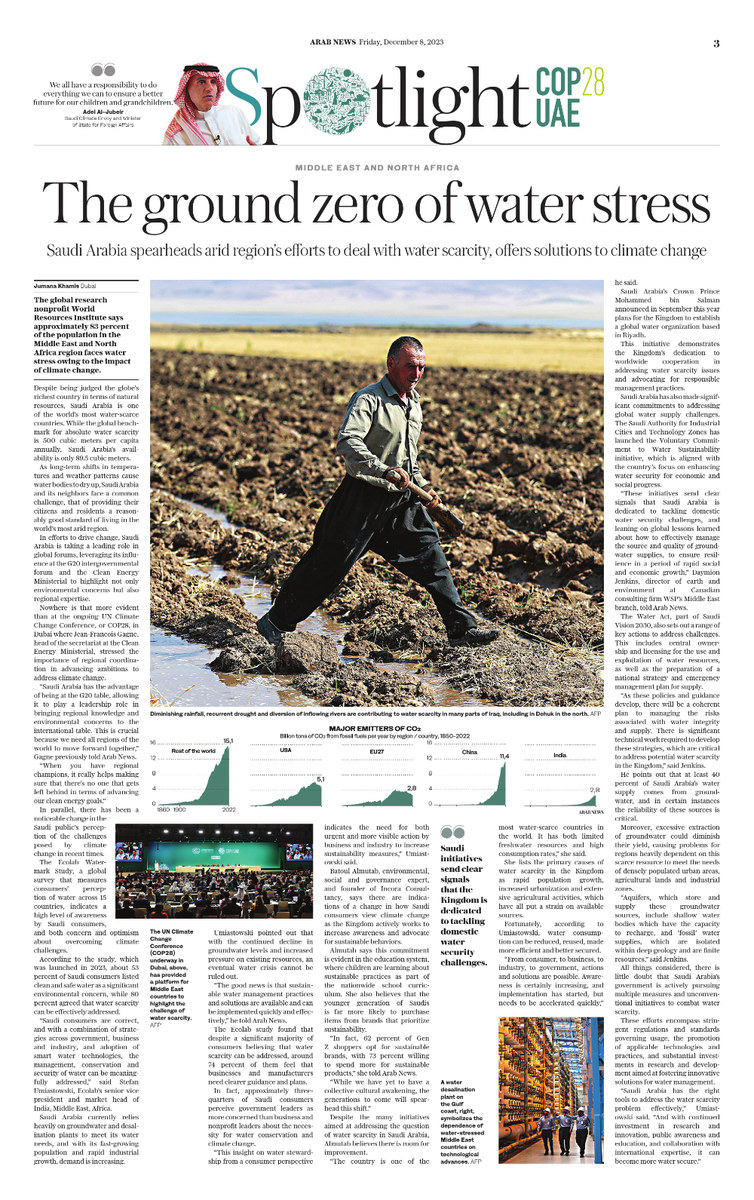
DUBAI: The global research nonprofit World Resources Institute says approximately 83 percent of the population in the Middle East and North Africa region faces water stress owing to the impact of climate change.
Despite being judged the globe’s richest country in terms of natural resources, Saudi Arabia is one of the world’s most water-scarce countries. While the global benchmark for absolute water scarcity is 500 cubic meters per capita annually, Saudi Arabia’s availability is only 89.5 cubic meters.
As long-term shifts in temperatures and weather patterns cause water bodies to dry up, Saudi Arabia and its neighbors face a common challenge, that of providing their citizens and residents a reasonably good standard of living in the world’s most arid region.
In efforts to drive change, Saudi Arabia is taking a leading role in global forums, leveraging its influence at the G20 intergovernmental forum and the Clean Energy Ministerial to highlight not only environmental concerns but also regional expertise.
Nowhere is that more evident than at the ongoing UN Climate Change Conference, or COP28, in Dubai where Jean-Francois Gagne, head of the secretariat at the Clean Energy Ministerial, stressed the importance of regional coordination in advancing ambitions to address climate change.
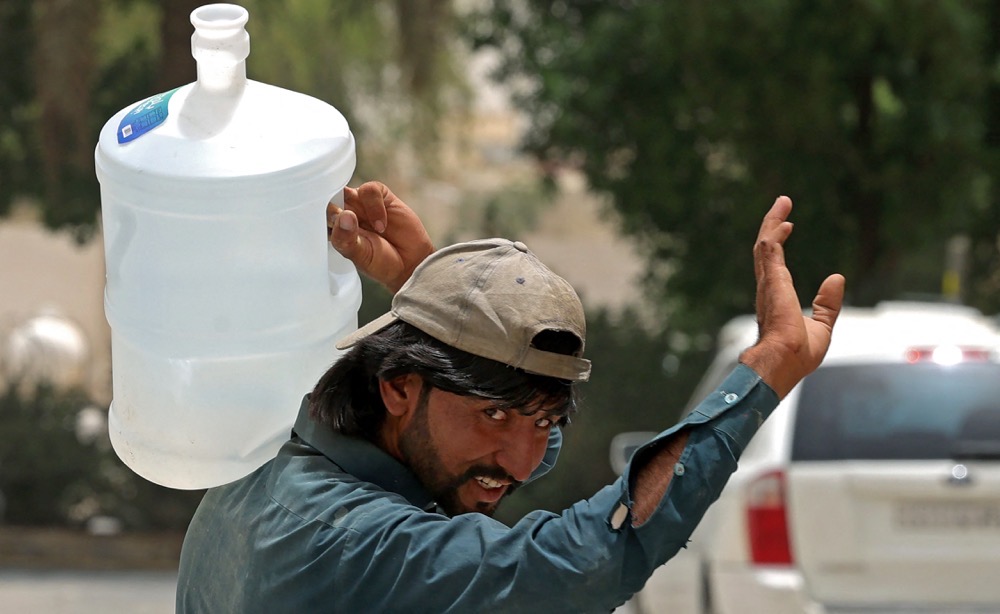
About 53 percent of Saudi consumers listed clean and safe water as a significant environmental concern. (AFP)
“Saudi Arabia has the advantage of being at the G20 table, allowing it to play a leadership role in bringing regional knowledge and environmental concerns to the international table. This is crucial because we need all regions of the world to move forward together,” Gagne previously told Arab News.
“When you have regional champions, it really helps making sure that there’s no one that gets left behind in terms of advancing our clean energy goals.”
In parallel, there has been a noticeable change in the Saudi public’s perception of the challenges posed by climate change in recent times.
The Ecolab Watermark Study, a global survey that measures consumers’ perception of water across 15 countries, indicates a high level of awareness by Saudi consumers, and both concern and optimism about overcoming climate challenges.
According to the study, which was launched in 2023, about 53 percent of Saudi consumers listed clean and safe water as a significant environmental concern, while 80 percent agreed that water scarcity can be effectively addressed.
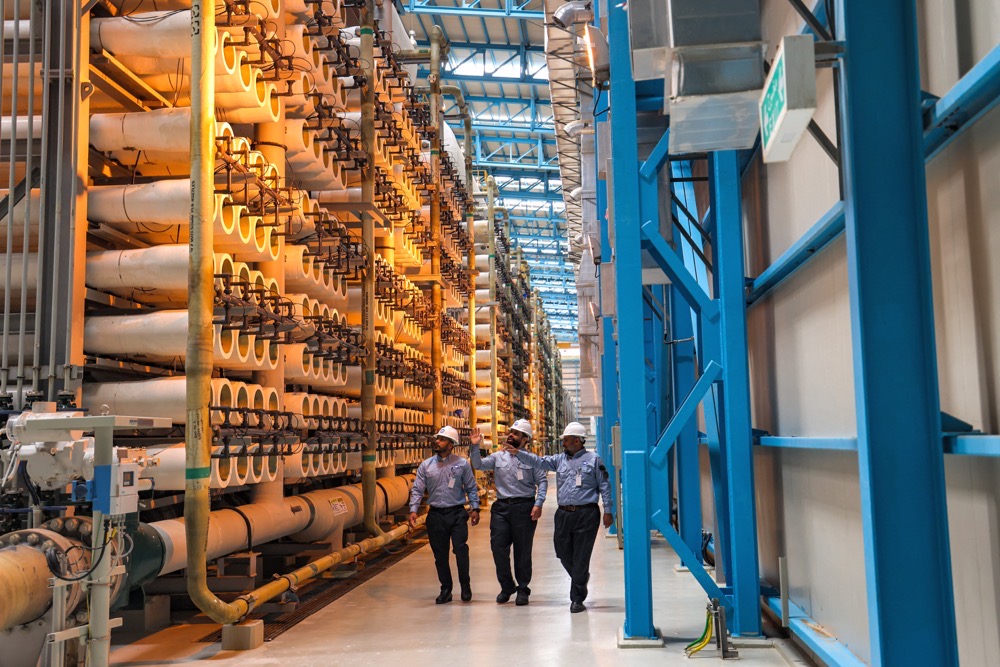
Saudi Arabia currently relies heavily on groundwater and desalination plants to meet its water needs. (AFP)
“Saudi consumers are correct, and with a combination of strategies across government, business and industry, and adoption of smart water technologies, the management, conservation and security of water can be meaningfully addressed,” said Stefan Umiastowski, Ecolab’s senior vice president and market head of India, Middle East, Africa.
Saudi Arabia currently relies heavily on groundwater and desalination plants to meet its water needs, and with its fast-growing population and rapid industrial growth, demand is increasing.
Umiastowski pointed out that with the continued decline in groundwater levels and increased pressure on existing resources, an eventual water crisis cannot be ruled out.
“The good news is that sustainable water management practices and solutions are available and can be implemented quickly and effectively,” he told Arab News.
The Ecolab study found that despite a significant majority of consumers believing that water scarcity can be addressed, around 74 percent of them feel that businesses and manufacturers need clearer guidance and plans.

In fact, approximately three-quarters of Saudi consumers perceive government leaders as more concerned than business and nonprofit leaders about the necessity for water conservation and climate change.
“This insight on water stewardship from a consumer perspective indicates the need for both urgent and more visible action by business and industry to increase sustainability measures,” Umiastowski said.
Batoul Almutab, environmental, social and governance expert, and founder of Incora Consultancy, says there are indications of a change in how Saudi consumers view climate change as the Kingdom actively works to increase awareness and advocate for sustainable behaviors.
Almutab says this commitment is evident in the education system, where children are learning about sustainable practices as part of the nationwide school curriculum. She also believes that the younger generation of Saudis is far more likely to purchase items from brands that prioritize sustainability.
“In fact, 62 percent of Gen Z shoppers opt for sustainable brands, with 73 percent willing to spend more for sustainable products,” she told Arab News.
“While we have yet to have a collective cultural awakening, the generations to come will spearhead this shift.”
Despite the many initiatives aimed at addressing the question of water scarcity in Saudi Arabia, Almutab believes there is room for improvement.
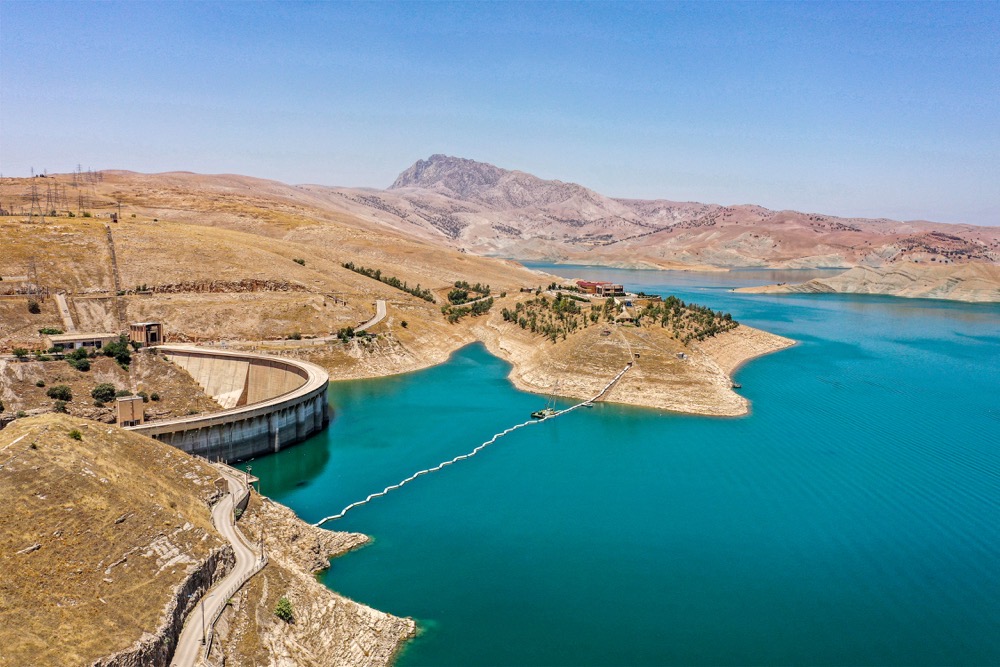
Effective and sustainable water and waste management will be a significant step forward in addressing key environmental issues, said Daymion Jenkins. (AFP)
“The country is one of the most water-scarce countries in the world. It has both limited freshwater resources and high consumption rates,” she said.
She lists the primary causes of water scarcity in the Kingdom as rapid population growth, increased urbanization and extensive agricultural activities, which have all put a strain on available sources.
Fortunately, according to Umiastowski, water consumption can be reduced, reused, made more efficient and better secured.
“From consumer, to business, to industry, to government, actions and solutions are possible. Awareness is certainly increasing, and implementation has started, but needs to be accelerated quickly,” he said.
Saudi Arabia’s Crown Prince Mohammed bin Salman announced in September this year plans for the Kingdom to establish a global water organization based in Riyadh.

This initiative demonstrates the Kingdom’s dedication to worldwide cooperation in addressing water scarcity issues and advocating for responsible management practices.
Saudi Arabia has also made significant commitments to addressing global water supply challenges. The Saudi Authority for Industrial Cities and Technology Zones has launched the Voluntary Commitment to Water Sustainability initiative, which is aligned with the country’s focus on enhancing water security for economic and social progress.
“These initiatives send clear signals that Saudi Arabia is dedicated to tackling domestic water security challenges, and leaning on global lessons learned about how to effectively manage the source and quality of groundwater supplies, to ensure resilience in a period of rapid social and economic growth,” Daymion Jenkins, director of earth and environment at Canadian consulting firm WSP’s Middle East branch, told Arab News.
The Water Act, part of Saudi Vision 2030, also sets out a range of key actions to address challenges. This includes central ownership and licensing for the use and exploitation of water resources, as well as the preparation of a national strategy and emergency management plan for supply.
“As these policies and guidance develop, there will be a coherent plan to managing the risks associated with water integrity and supply. There is significant technical work required to develop these strategies, which are critical to address potential water scarcity in the Kingdom,” said Jenkins.
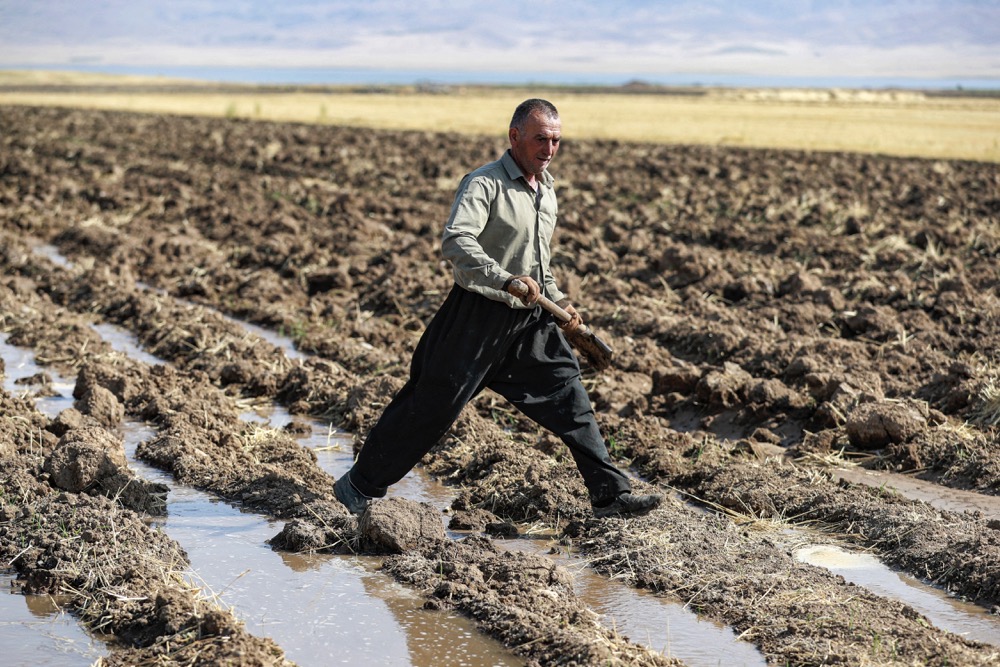
Saudi Arabia has also made significant commitments to addressing global water supply challenges. (AFP)
He points out that at least 40 percent of Saudi Arabia’s water supply comes from groundwater, and in certain instances the reliability of these sources is critical.
Moreover, excessive extraction of groundwater could diminish their yield, causing problems for regions heavily dependent on this scarce resource to meet the needs of densely populated urban areas, agricultural lands and industrial zones.
“Aquifers, which store and supply these groundwater sources, include shallow water bodies which have the capacity to recharge, and ‘fossil’ water supplies, which are isolated within deep geology and are finite resources,” said Jenkins.
INNUMBERS
• 89.5 cubic meters Saudi Arabia’s water availability per capita annually.
• 53% Saudi consumers see water scarcity as a concern.
• 73% Gen Z shoppers willing to spend more on sustainable brands.
A good case in point is Saudi Arabia’s northeast, he said, where water supply mainly comes from groundwater.
A fuller understanding of these aquifer systems and the implementation of effective management practices will contribute significantly to aligning extraction rates with recharge rates from elevated areas, he said. This alignment would, in turn, sustain their long-term viability and positively impact overall water security, he added.
In this context, Jenkins says it is important to note that waste management forms the foundation of many environmental initiatives.
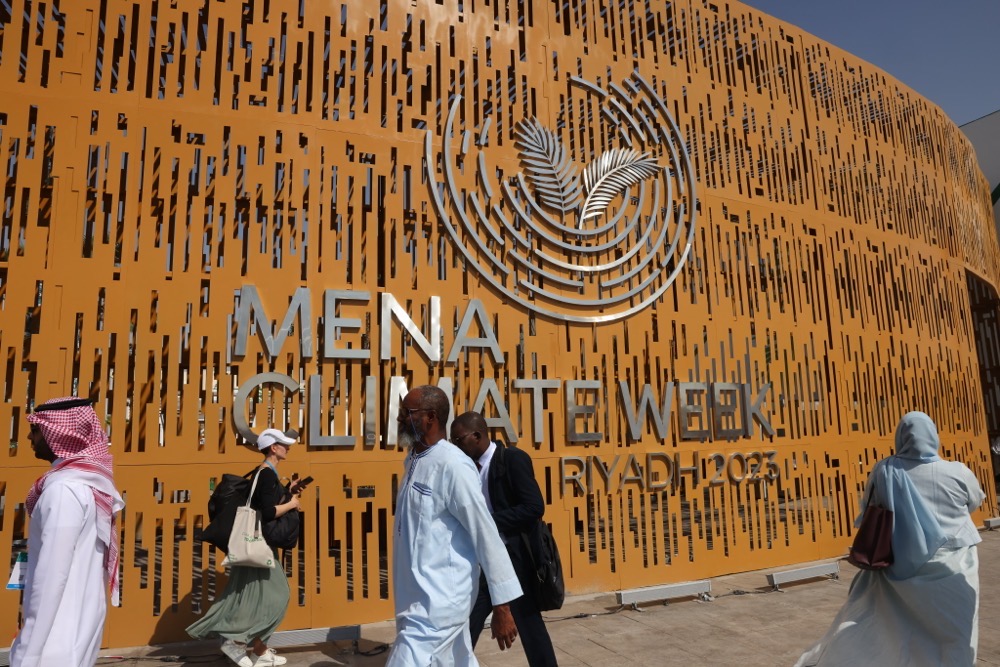
80 percent of Saudis agreed that water scarcity can be effectively addressed. (AFP)
Programs aimed at reduction, recycling, efficient utilization of waste for green energy generation, and the promotion of a circular economy, where materials are reused beneficially, are crucial components of this agenda.
“Saudi Arabia has stated objectives to divert 82 percent of waste from landfill, with significant recycling, composting and waste-to-energy targets,” he said. Effective and sustainable water and waste management will be a significant step forward in addressing key environmental issues, he added.
All things considered, there is little doubt that Saudi Arabia’s government is actively pursuing multiple measures and unconventional initiatives to combat water scarcity.
These efforts encompass stringent regulations and standards governing usage, the promotion of applicable technologies and practices, and substantial investments in research and development aimed at fostering innovative solutions for water management.
“Saudi Arabia has the right tools to address the water scarcity problem effectively,” Umiastowski said. “And with continued investment in research and innovation, public awareness and education, and collaboration with international expertise, it can become more water secure.”